





collared mangabey
Cercocebus torquatus
The collared mangabey is a playful monkey with a special collar of fur around its neck. They love to swing in trees and are very social, living in groups with their friends and family.
Habitat: Forests
The collared mangabey has glossy reddish-brown fur, a distinctive white "collar" band around its neck, and a contrasting dark grey to black face and limbs. Its long tail often has a white tip, and its eyes are framed by unique white eyelids.
Category
MammalsRarity
Common
Danger
2/5 · Low
Snaps
Be the first to snap!
Collared mangabeys live in large social groups called troops, sometimes with over 30 members!
These playful monkeys love to swim and dive in forest rivers and streams!
They have striking white eyelids that create a funny 'pop' when they blink!
They often forage on the forest floor, using their strong hands to dig for food!
collared mangabey has powerful jaws and strong teeth that help them crack open tough nuts and seeds for food.
collared mangabey has a long, flexible tail that helps them balance while leaping between branches high in the trees.
collared mangabey can use large cheek pouches to store snacks, letting them carry extra food while on the go.
These monkeys are big fans of fruits and seeds, but also enjoy munching on leaves and insects!
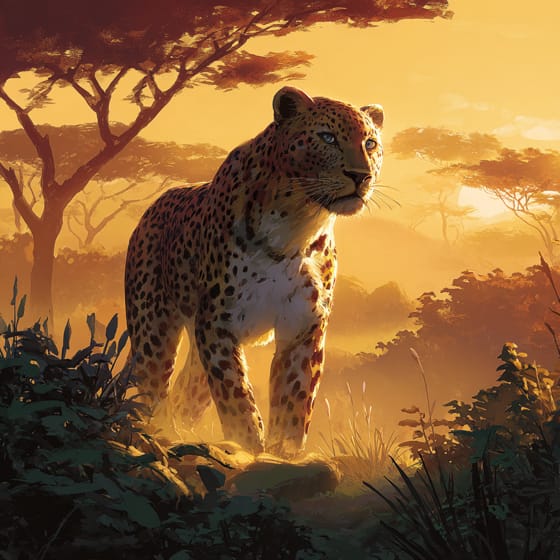
Panthera pardus
Leopards are a primary predator in their forest home.
%2C_at_Ndumo_Nature_Reserve%2C_KwaZulu-Natal%2C_South_Africa_(28947411865).jpg&width=800)
Stephanoaetus coronatus
Large eagles sometimes hunt young mangabeys from above.
Ficus exasperata
They feast on the ripe, sweet fruits of fig trees.
Ceiba pentandra
They enjoy cracking open kapok tree pods for seeds.
Furry describes animals possessing a dense covering of soft hair or fur.
Social animals live in organized groups, cooperating for survival benefits such as foraging, defense, and raising offspring.
This trait identifies organisms whose diet includes both plant and animal matter.
Arboreal animals live primarily in trees, utilizing them for shelter, food, and protection from predators.

Forest habitats are terrestrial environments dominated by dense tree cover, supporting a high diversity of plant and animal life.

Diurnal animals are primarily active during daylight hours, typically resting or sleeping at night.

Endangered status indicates a species is at a very high risk of extinction in the wild in the near future.
No aliases listed yet.
Danger
2/5 · Low
Always watch from a distance and don't try to touch wild animals.
The easiest way to identify collared mangabey is to use the Snappit nature identifier app.
45-60 cm
5-10 kg
15-25 years
35 km/h
These monkeys are big fans of fruits and seeds, but also enjoy munching on leaves and insects!
Forests
Foraging
Zoom in to split clusters and explore where this object has been snapped.
Recent snaps will appear here as new observations are added.
Take the discovery with you
Snap it with Snappit to identify it, learn what makes it special, and add the discovery to your collection.




.jpg&width=800)

.JPG&width=800)



.jpg&width=800)
