





Columbian Monkshood
Aconitum columbianum
Columbian Monkshood is a beautiful flower with tall spikes and hood-shaped blooms. Its bright blue and purple petals make it look like a little hat, and it grows in cool, moist places.
Habitat: Mountain regions
The Columbian Monkshood stands tall with sturdy stems topped by deep blue to purplish-blue, sometimes white, flowers. Its distinctive blooms are helmet-shaped, resembling a monk's cowl, and grow in loose clusters along the upper stem.
Category
PlantsRarity
Rare
Danger
5/5 · Extreme
Snaps
4
Ancient hunters once used its potent toxins on arrows to hunt big game!
Even touching this beautiful plant can cause skin irritation for some people!
Its root looks like a tiny turnip but is the most dangerous part of the entire plant.
Only a few specific types of long-tongued bumblebees can reach the nectar deep inside its flowers.
Columbian Monkshood has potent toxins that make it poisonous to deter animals from eating its leaves and flowers.
Columbian Monkshood has special patterns on its flowers that guide long-tongued bumblebees directly to its hidden nectar.
Columbian Monkshood has a unique hooded flower shape that perfectly fits specific bumblebees, ensuring excellent pollination.
Bombus appositus
Visits and pollinates the deep flowers.
Bombus fervidus
One of the few species with a tongue long enough.
Bombus occidentalis
A key pollinator for this plant species.
Bell-shaped flowers possess petals fused or arranged to form a cup-like or campanulate structure resembling a bell.
Flowering plants are any plants that produce flowers as part of their reproductive cycle.
Fragrant flowers emit a pleasant aroma, often to attract pollinators or for defense.
Colorful describes organisms or objects displaying a wide range of bright and distinct colors.

Describes plants that are particularly attractive and beneficial to a wide range of pollinating organisms.

This habitat trait identifies species found in mountainous regions, characterized by high elevation, steep slopes, and varying climate zones.

Toxic organisms contain substances that are poisonous and can cause adverse effects upon exposure.

Poisonous organisms produce toxins that can cause harm when ingested, inhaled, or absorbed through contact.
No aliases listed yet.
Danger
5/5 · Extreme
Do not touch or eat this flower, as it can be harmful.
The easiest way to identify Columbian Monkshood is to use the Snappit nature identifier app.
50-200 cm
30-60 cm
2-3 cm
Summer
No
Deadly
Perennial
Zoom in to split clusters and explore where this object has been snapped.

Wyoming, US
You might spot Creeping Mahonia, Utah Honeysuckle, and Woodland Pinedrops.
View guide →

Wyoming, US
You might spot Moose and Yellow-Bellied Marmot.
View guide →

Wyoming, US
You might spot Moose and Yellow-Bellied Marmot.
View guide →
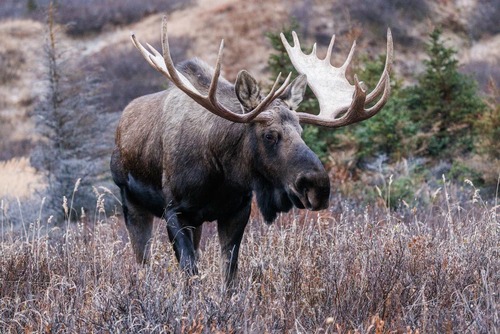
Wyoming, US
You might spot Moose, Black Bear, and Sticky Geranium.
View guide →
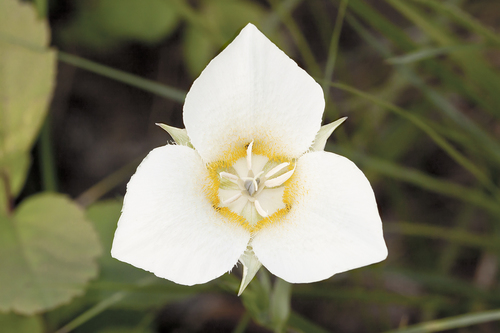
Montana, US
You might spot Baker's Mariposa Lily and Columbian Monkshood.
View guide →

British Columbia, CA
You might spot Blueberries, Cranberries, and Allies and Common Selfheal.
View guide →
Take the discovery with you
Snap it with Snappit to identify it, learn what makes it special, and add the discovery to your collection.









.jpg&width=800)


_001.jpg&width=800)




