





Columbian Trig
cyrtoxipha columbiana
The Columbian Trig is a small, lively insect that loves to hop around in grassy areas. Its bright colors make it easy to spot as it jumps from leaf to leaf!
Habitat: They live in grassy fields and meadows where there are plenty of plants to hide in.
The Columbian Trig is a slender, delicate cricket, typically pale green or yellowish-green, allowing it to blend perfectly with foliage. Males have flattened, transparent wings held flat over their backs for producing their distinctive song.
Category
InsectsRarity
Common
Danger
0/5 · No known danger
Snaps
1
Female crickets carefully lay their eggs inside plant stems for protection.
Male Columbian Trigs 'sing' by rubbing their wings, like playing a tiny violin!
These crickets have their 'ears' on their front knees to hear sounds around them!
They are nocturnal, so you're more likely to hear them than see them at night!
Columbian Trigs can 'sing' by rubbing their specialized wings together to attract mates from afar.
Columbian Trigs have a pale green body that helps them blend perfectly with leaves, hiding from predators.
Columbian Trigs can spring away from danger quickly thanks to their strong, muscular hind legs.
These crickets munch on tender plant parts and tiny soft-bodied insects.
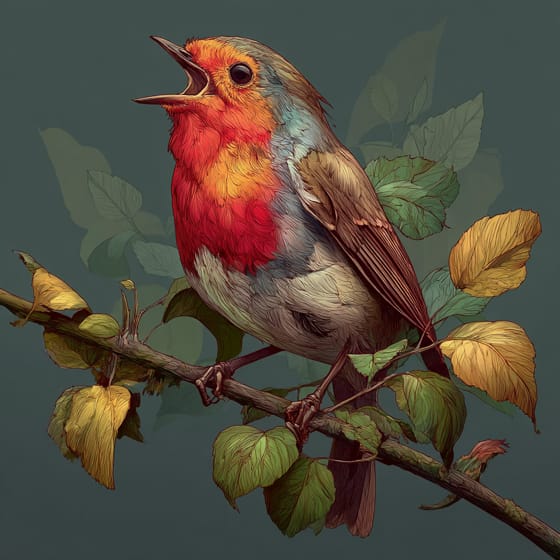
Turdus migratorius
Robins often forage for insects in trees and shrubs.
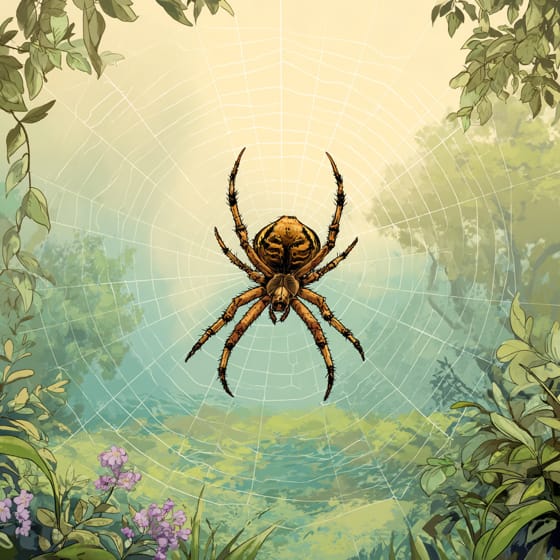
Argiope aurantia
Large garden spiders capture crickets in their strong webs.
Aphis gossypii
Columbian Trigs help control populations of tiny plant-eating aphids.

Acer rubrum
These crigs lay their eggs within the stems of various woody plants.
Social animals live in organized groups, cooperating for survival benefits such as foraging, defense, and raising offspring.
Colorful describes organisms or objects displaying a wide range of bright and distinct colors.
Grassland habitats are terrestrial biomes dominated by grasses and herbaceous plants, supporting a variety of grazing animals.
This trait characterizes organisms whose diet consists entirely or primarily of plant material.

Diurnal animals are primarily active during daylight hours, typically resting or sleeping at night.
Danger
0/5 · No known danger
No special safety notes yet.
The easiest way to identify Columbian Trig is to use the Snappit nature identifier app.
20-28 mm
10-14 mm
30-90 days
These crickets munch on tender plant parts and tiny soft-bodied insects.
They live in grassy fields and meadows where there are plenty of plants to hide in.
Foraging
6
Zoom in to split clusters and explore where this object has been snapped.
Take the discovery with you
Snap it with Snappit to identify it, learn what makes it special, and add the discovery to your collection.








.jpg&width=800)



