





Common Barklice
psocidae
Common Barklice are tiny insects that love to live on trees and shrubs! They are very good at blending in with their surroundings, making them fun to spot!
Habitat: They live on tree bark, leaves, and sometimes on plants in gardens.
The Common Barklice is a tiny, soft-bodied insect, typically pale grey or yellowish-brown. It often has two pairs of delicate, membranous wings, which may be clear or faintly patterned, held roof-like over its back.
Category
InsectsRarity
Common
Danger
0/5 · No known danger
Snaps
Be the first to snap!
Barklice existed over 200 million years ago, making them older than dinosaurs!
Many barklice gather in large groups, looking like tiny moving patches on tree bark.
Some female barklice don't need a mate; they can lay eggs all by themselves!
They have special mouthparts that scrape tiny bits of food from tree surfaces.
Common Barklice can spin tiny silken webs because of specialized glands that help them create protective shelters on tree bark.
Some Common Barklice species can leap away quickly when startled, helping them avoid predators by making a surprising escape.
Common Barklice have mottled bodies and wings that help them blend perfectly with tree bark, making them nearly invisible to hungry birds.
These tiny insects are cleaners, munching on fungi, algae, and dead plant matter on trees!
Araneus diadematus
Its silk webs often trap barklice, making them an easy meal.
Chrysoperla carnea
Its larvae are hungry predators of soft-bodied insects like barklice.
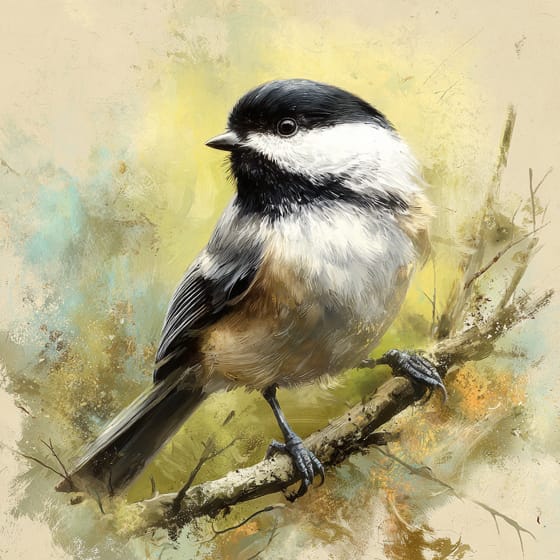
Poecile atricapillus
Tiny birds like chickadees forage on tree bark for these small insects.

Quercus alba
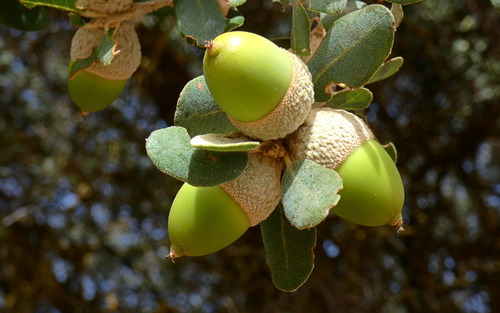
Barklice find food and hiding spots on the bark of oak trees.
Social animals live in organized groups, cooperating for survival benefits such as foraging, defense, and raising offspring.
Camouflaged describes organisms that possess coloring or patterns that allow them to blend into their environment.
This trait characterizes organisms whose diet consists entirely or primarily of plant material.
Forest habitats are terrestrial environments dominated by dense tree cover, supporting a high diversity of plant and animal life.

Diurnal animals are primarily active during daylight hours, typically resting or sleeping at night.
Danger
0/5 · No known danger
No special safety notes yet.
The easiest way to identify Common Barklice is to use the Snappit nature identifier app.
4-8 mm
2-4 mm
30-90 days
0.1-0.5 km/h
These tiny insects are cleaners, munching on fungi, algae, and dead plant matter on trees!
They live on tree bark, leaves, and sometimes on plants in gardens.
Foraging
Zoom in to split clusters and explore where this object has been snapped.
Recent snaps will appear here as new observations are added.
Take the discovery with you
Snap it with Snappit to identify it, learn what makes it special, and add the discovery to your collection.







.jpg&width=800)



