





Tapered Drone Fly
Eristalis pertinax
The Tapered Drone Fly is a friendly insect that looks like a bee but is not one! It has a long, slender body and loves to visit flowers to sip sweet nectar.
Habitat: Urban areas
The Tapered Drone Fly has a black body with distinctive yellow bands on its abdomen and a fuzzy, bee-like appearance. Its wings have noticeable dark markings, particularly a dark patch near the tip. It also possesses short, dark antennae.
Category
InsectsRarity
Common
Danger
1/5 · Very low
Snaps
Be the first to snap!
Despite looking like a bee, they are completely harmless and cannot sting you at all.
Scientists study how they fly to invent better robotic drones and aircraft.
Their babies, called rat-tailed maggots, live underwater with a snorkel-like tail!
They can even fly backwards and sideways, showing amazing aerial control!
Tapered Drone Fly can hover perfectly still and fly backward because of its powerful wing muscles that help them find flowers.
Tapered Drone Fly larvae have a long 'snorkel' tail that helps them breathe air while living underwater in murky puddles.
Tapered Drone Fly has fuzzy bodies that help them accidentally transfer pollen between flowers as they drink nectar.
Adults sip nectar and pollen from flowers; larvae filter decaying matter from water.
Age differences: Larvae are detritivores, filter-feeding on decaying organic matter in stagnant water; adults are herbivores, feeding on nectar and pollen.
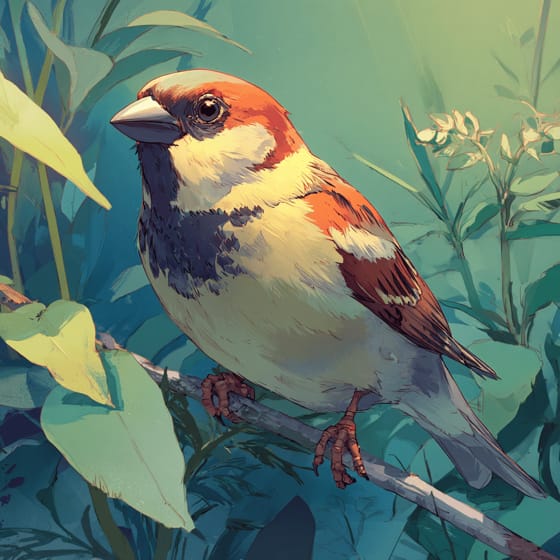
Passer domesticus
Birds often prey on adult drone flies.
_Clock_-_Tennessee%2C_USA_-_May_31%2C_2014.jpg&width=800)
Taraxacum officinale
Adults gather nectar and pollen from common garden flowers.
Rana temporaria
Frogs are opportunistic predators of various insects.
Apis mellifera
Its bee-like appearance deters predators, benefiting from bees' reputation.
Furry describes animals possessing a dense covering of soft hair or fur.
Social animals live in organized groups, cooperating for survival benefits such as foraging, defense, and raising offspring.
This trait characterizes organisms whose diet consists entirely or primarily of plant material.
Describes plants that are particularly attractive and beneficial to a wide range of pollinating organisms.

Diurnal animals are primarily active during daylight hours, typically resting or sleeping at night.

This habitat trait indicates species that can coexist with humans in urban and suburban environments, utilizing man-made structures and green spaces.

Describes organisms that transfer pollen, enabling the fertilization and reproduction of plants.
No aliases listed yet.
Danger
1/5 · Very low
Don't touch insects without asking an adult, but watching them is safe and fun!
The easiest way to identify Tapered Drone Fly is to use the Snappit nature identifier app.
18-28 mm
10-14 mm
15-30 days
20 km/h
Adults sip nectar and pollen from flowers; larvae filter decaying matter from water.
Urban areas
Foraging
Zoom in to split clusters and explore where this object has been snapped.
Recent snaps will appear here as new observations are added.
Take the discovery with you
Snap it with Snappit to identify it, learn what makes it special, and add the discovery to your collection.






.jpg&width=800)




