





Common Froghopper
Cercopis vulnerata
The Common Froghopper is a small insect that can jump really high! They are often found on plants, where they suck up sap and hop around quickly.
Habitat: Grasslands
The Common Froghopper is a small, stocky insect, typically dark brown or black with two striking bright red or orange chevron-shaped markings on its back. It has a broad head and relatively large eyes, which make it visually distinct from many other small plant-dwelling insects.
Category
InsectsRarity
Common
Danger
1/5 · Very low
Snaps
Be the first to snap!
Baby froghoppers, called nymphs, live inside their protective spit bubbles for weeks.
Despite their name, they are insects related to cicadas, not amphibians like frogs!
Froghoppers can drink 200 times their body weight in plant sap every day!
Their incredible jump produces a force 400 times stronger than gravity!
Common Froghoppers can jump over 100 times their own body height using powerful hind legs that helps them escape predators quickly.
Common Froghopper nymphs produce frothy 'cuckoo spit' because it hides and protects them from predators and dehydration.
Common Froghoppers have specialized straw-like mouthparts that help them drink nourishing sap from plants.
These tiny insects drink plant sap like a juice box, using straw-like mouthparts!
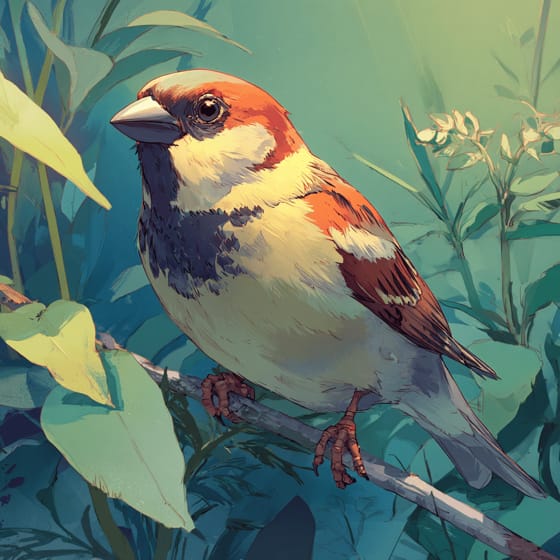
Passer domesticus
A common bird predator.
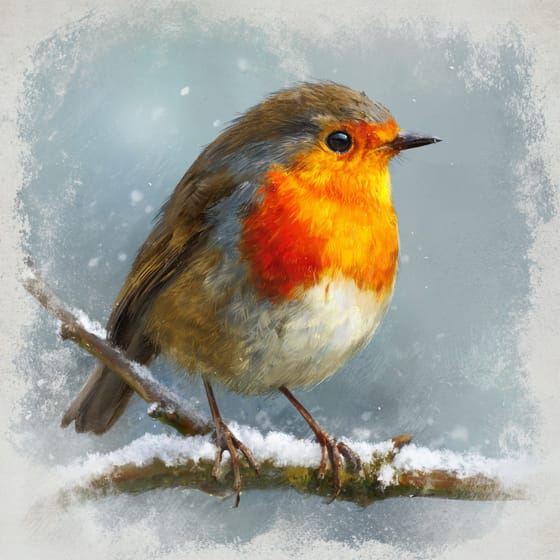
Erithacus rubecula
Robins will feed on adult froghoppers.
Argiope bruennichi
Froghoppers can be caught in their webs.
Urtica dioica
A favored host plant for feeding and spittle production.
Camouflaged describes organisms that possess coloring or patterns that allow them to blend into their environment.
Grassland habitats are terrestrial biomes dominated by grasses and herbaceous plants, supporting a variety of grazing animals.
This trait characterizes organisms whose diet consists entirely or primarily of plant material.
Describes plants that are particularly attractive and beneficial to a wide range of pollinating organisms.

Diurnal animals are primarily active during daylight hours, typically resting or sleeping at night.

Pertaining to species that are significantly smaller than typical or average for their kind.

This trait identifies organisms that exhibit exceptional swiftness in movement for hunting, escape, or travel.

Describes organisms that transfer pollen, enabling the fertilization and reproduction of plants.
No aliases listed yet.
Danger
1/5 · Very low
Froghoppers are harmless, but it's best to watch them from a distance.
The easiest way to identify Common Froghopper is to use the Snappit nature identifier app.
5-7 mm
30-60 days
These tiny insects drink plant sap like a juice box, using straw-like mouthparts!
Grasslands
Foraging
6
Zoom in to split clusters and explore where this object has been snapped.
Recent snaps will appear here as new observations are added.
Take the discovery with you
Snap it with Snappit to identify it, learn what makes it special, and add the discovery to your collection.






.jpg&width=800)




