Common Gilled Mushrooms And Allies
agaricales
Common gilled mushrooms are fun and colorful fungi that pop up in forests and gardens. They can be a great place for kids to explore and learn about nature!
Habitat: Forests, grassy areas, and sometimes even in your backyard.
The Common Gilled Mushrooms And Allies has a cap, gills underneath, and a stalk. Caps vary greatly in size and color, often appearing in shades of white, brown, red, or yellow. The radiating gill plates under the cap are a key identifier, distinguishing them from other fungi.
Category
FungiRarity
Common
Danger
2/5 · Low
Snaps
Be the first to snap!
Mushrooms "breathe" by taking in oxygen and releasing carbon dioxide, just like animals!
One fungus mycelium, mostly underground, can cover over 2,000 acres, making it Earth's largest living thing!
Some mushrooms can mimic flowers or even insects to trick other creatures, helping them spread!
The oldest mushroom fossil found is over 115 million years old, growing when dinosaurs roamed!
Common Gilled Mushrooms And Allies can launch millions of tiny spores because of their specialized gills, helping them spread far and wide.
Common Gilled Mushrooms And Allies can break down dead trees and leaves because they release powerful enzymes, recycling nutrients back to nature.
Common Gilled Mushrooms And Allies can connect with plants underground through their roots because they form beneficial partnerships, sharing water and nutrients.
Some Common Gilled Mushrooms And Allies can glow in the dark because they produce special chemicals that emit light, attracting insects at night.
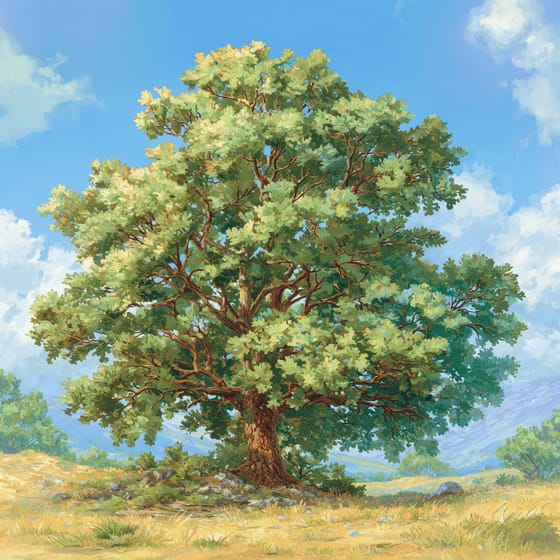
Quercus alba
shares nutrients through root connections
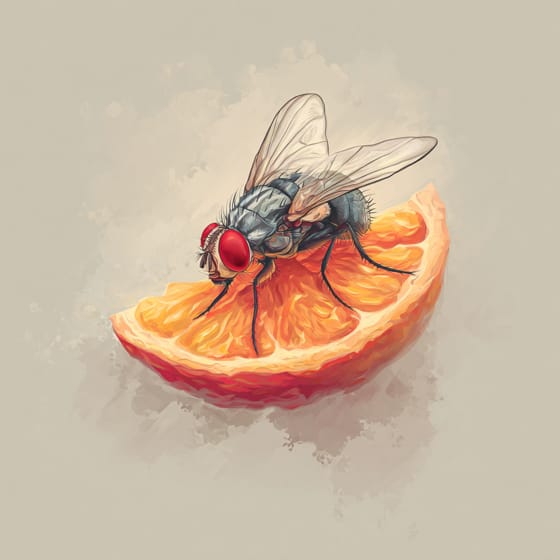
Drosophila melanogaster
larvae feed on decaying mushroom tissue
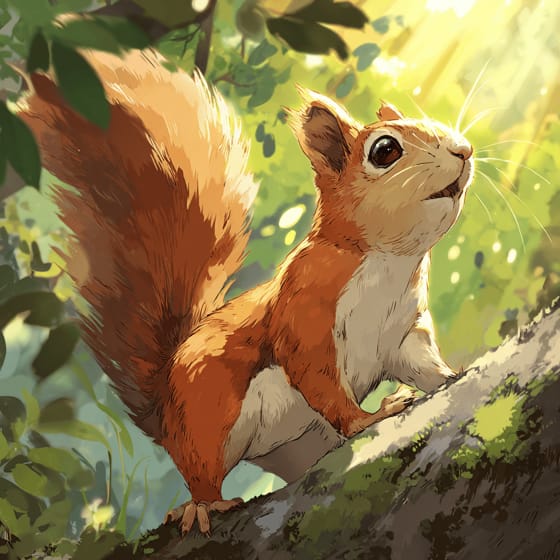
Sciurus carolinensis
forages for and consumes various fungi
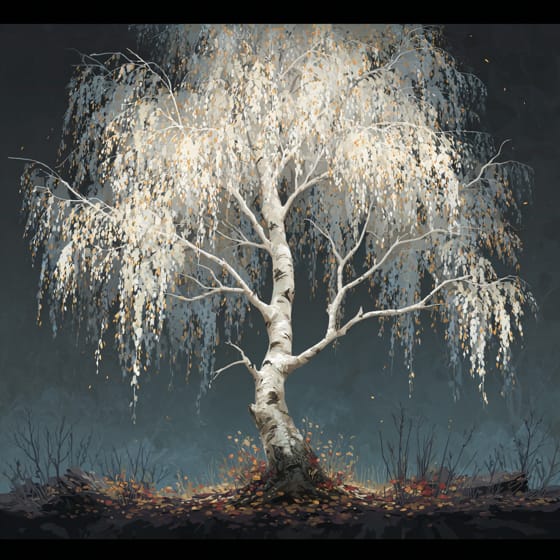
Betula pendula
forms mycorrhizal associations with roots
Solitary animals live alone for most of their lives, only interacting with others for mating or parental care.
Colorful describes organisms or objects displaying a wide range of bright and distinct colors.
Describes organisms that break down dead organic material, recycling nutrients back into the ecosystem.
Forest habitats are terrestrial environments dominated by dense tree cover, supporting a high diversity of plant and animal life.

Diurnal animals are primarily active during daylight hours, typically resting or sleeping at night.
Danger
2/5 · Low
Some mushrooms can be poisonous, so always ask an adult before touching or tasting them.
The easiest way to identify Common Gilled Mushrooms And Allies is to use the Snappit nature identifier app.
0.5-40 cm
poisonous
1-30 cm
Forests, grassy areas, and sometimes even in your backyard.
soil
Spring, summer, fall, winter
White, brown, black, pink, yellow
Zoom in to split clusters and explore where this object has been snapped.
Recent snaps will appear here as new observations are added.

British Columbia, CA
You might spot Western Rattlesnake Plantain and Shinyleaf Meadowsweet.
View guide →
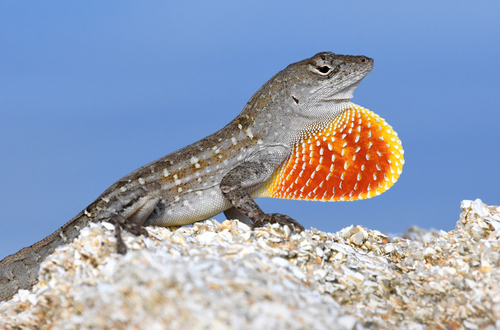
Florida, US
You might spot Brown Anole and Green Treefrog.
View guide →
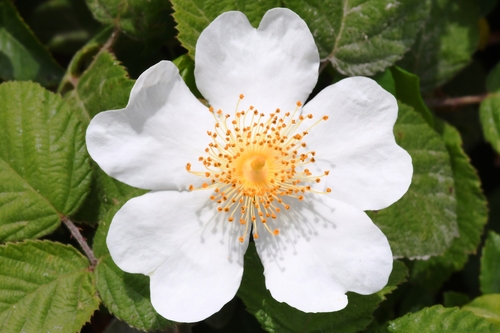
Virginia, US
You might spot Roses, Onions, and Broadleaf Arrowhead.
View guide →
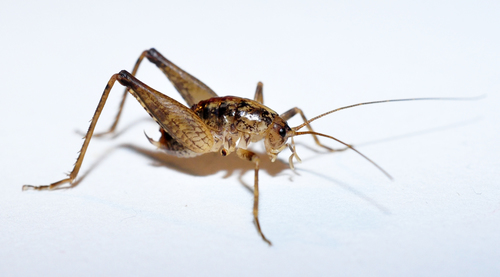
British Columbia, CA
You might spot Pristoceuthophilus Celatus.
View guide →
Take the discovery with you
Snap it with Snappit to identify it, learn what makes it special, and add the discovery to your collection.