





common hackberry
Celtis occidentalis
The common hackberry is a tall tree with rough bark and small, sweet berries. It provides shade and food for many animals, making it a great tree for parks and gardens.
Habitat: Urban areas
The common hackberry is a medium to large deciduous tree known for its unique, corky, warty bark. Its alternate, ovate leaves are rough to the touch with toothed edges. Small, round, dark purple fruits develop in fall, persisting into winter.
Category
PlantsRarity
Common
Danger
1/5 · Very low
Snaps
11
Birds love hackberry fruit so much, they help spread its seeds everywhere.
Its sweet berries taste like dates and are safe for humans to eat!
Native Americans used hackberry bark for traditional medicine and yellow dye.
The unusual bumpy bark on a hackberry feels like sandpaper mixed with cork!
Common hackberry can thrive in dry conditions thanks to its deep root system that finds water far below ground.
Common hackberry has incredibly thick, warty bark that provides unique shelter for insects and makes it tough against damage.
Common hackberry's sweet, purple berries cling to branches through winter, providing a crucial food source for birds when other food is scarce.
Common hackberry can tolerate harsh urban conditions, including pollution and poor soil, making it a resilient city tree.
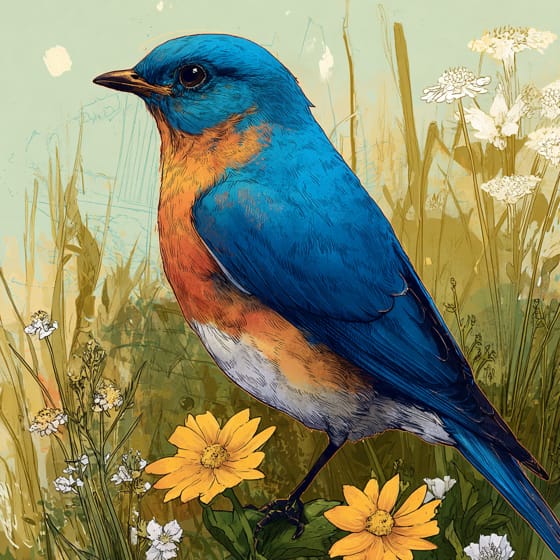
Sialia sialis
feeds on its sweet berries in winter
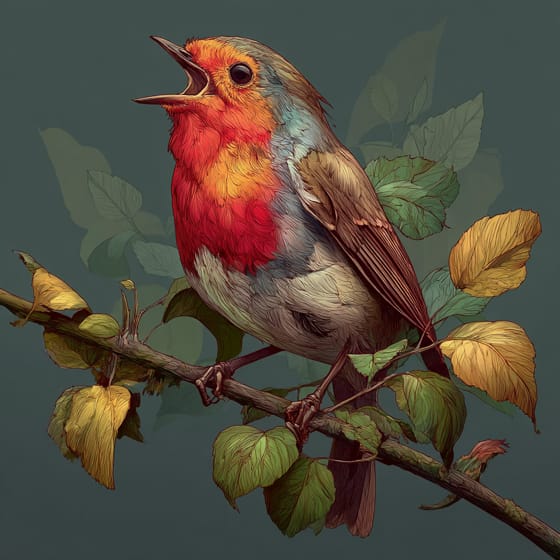
Turdus migratorius
enjoys its persistent fruits year-round

Asterocampa celtis
its caterpillars exclusively eat hackberry leaves
Phyllocnistis celtifoliella
larvae create winding tunnels within leaves
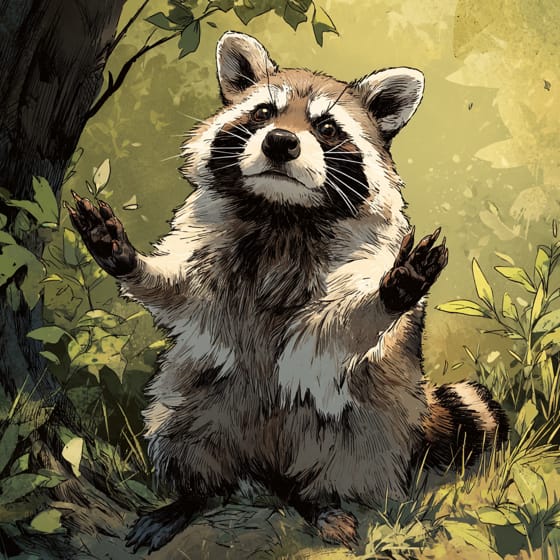
Procyon lotor
consumes the nutritious hackberry fruits
Deciduous plants periodically shed all their leaves, typically during autumn or dry seasons.
Shade tolerant plants are adapted to grow and thrive in areas with low light levels, requiring less direct sunlight.
Broadleaf trees are angiosperms characterized by flat, wide leaves that are typically shed annually in temperate climates.
Fruit-bearing plants produce fruits, which are the mature ovaries of flowering plants containing seeds.

Edible plants are those parts of a plant that are considered safe for human consumption.

Fall color refers to the seasonal change in foliage pigmentation, primarily in deciduous plants, displaying vibrant hues.

Timber refers to wood that has been prepared for use in building and carpentry.

This trait characterizes organisms with an exceptionally long lifespan compared to others of their kind.

Describes a species whose presence and role have a disproportionately large effect on its environment.

This habitat trait indicates species that can coexist with humans in urban and suburban environments, utilizing man-made structures and green spaces.
No aliases listed yet.
Danger
1/5 · Very low
Always stay on paths when exploring near trees and be careful of falling branches.
The easiest way to identify common hackberry is to use the Snappit nature identifier app.
1200-2500 cm
900-1500 cm
0.3-0.6 cm
Spring
Yes
None
Perennial
Zoom in to split clusters and explore where this object has been snapped.

Ohio, US
You might spot Blue-Fronted Dancer, American Rubyspot, and Fowler's Toad.
View guide →

Tennessee, US
You might spot American Robin, Northern Cardinal, and Eastern Chipmunk.
View guide →

Wisconsin, US
You might spot Eastern Redcedar, Rock Polypody, and Vulture.
View guide →

Ohio, US
You might spot Wild Bergamot, Rattlesnake Master, and Eastern Pondhawk.
View guide →
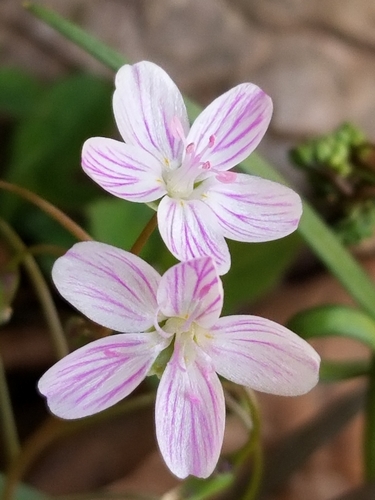
New Jersey, US
You might spot Virginia Springbeauty, Wineberry, and Multiflora Rose.
View guide →

Wisconsin, US
You might spot Polar Bear, Grizzly Bear, and Harbor Seal.
View guide →
Take the discovery with you
Snap it with Snappit to identify it, learn what makes it special, and add the discovery to your collection.








.jpg&width=800)


_001.jpg&width=800)

