





Walter's Aster
Symphyotrichum walteri
Walter's Aster is a beautiful flower that blooms in late summer and early fall. It has pretty purple petals and attracts butterflies and bees, making gardens lively and colorful!
Habitat: Wetlands
The Walter's Aster has numerous small, daisy-like flowers with white or sometimes pale lavender ray petals surrounding a bright yellow center that ages to reddish-purple. Its dark green leaves are broadly heart-shaped and often clasp the stem, making it visually distinct from many narrower-leaved asters.
Category
PlantsRarity
Common
Danger
1/5 · Very low
Snaps
Be the first to snap!
It's like a late-season energy bar for hungry bees and butterflies!
Its scientific name honors botanist Thomas Walter, who first described it!
The plant’s leaves can be heart-shaped or even spear-shaped!
This aster can thrive in many types of open woodland edges.
Walter's Aster has flower centers that change color from yellow to reddish-purple, helping older flowers signal they've been pollinated!
Walter's Aster can spread by underground stems called rhizomes, allowing it to form dense patches and secure its space.
Walter's Aster blooms late in the season, providing a vital nectar and pollen source for insects when other flowers are scarce.
Apis mellifera
collects nectar and pollen
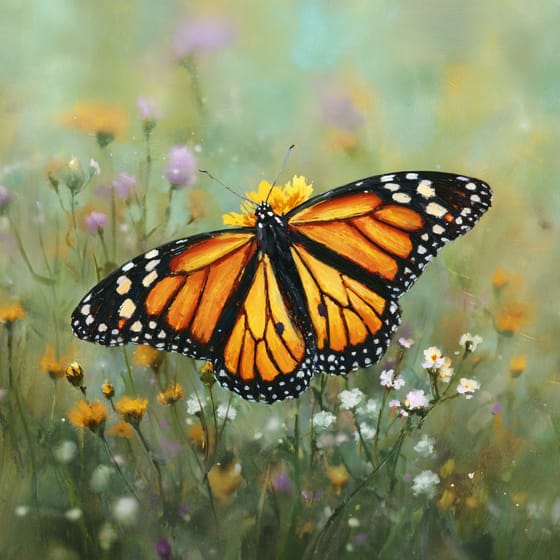
Danaus plexippus
sips nectar for energy
Bombus impatiens
gathers pollen and nectar
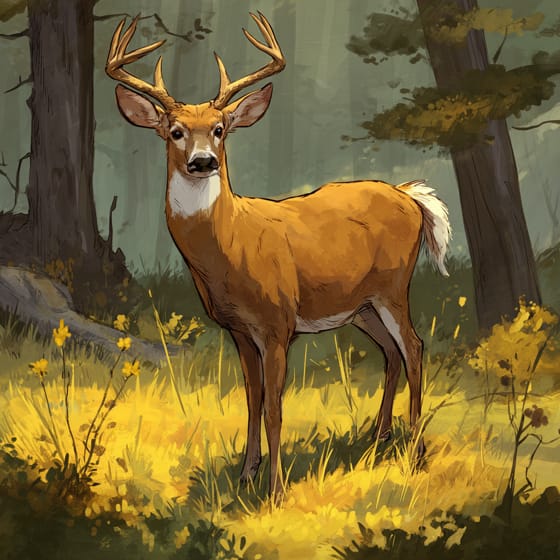
Odocoileus virginianus
browses on leaves and stems
Deciduous plants periodically shed all their leaves, typically during autumn or dry seasons.
Flowering plants are any plants that produce flowers as part of their reproductive cycle.
Summer blooming plants produce their flowers during the summer season, often providing vibrant color when many other plants have finished.
Colorful describes organisms or objects displaying a wide range of bright and distinct colors.

Describes plants that are particularly attractive and beneficial to a wide range of pollinating organisms.

This habitat trait identifies species found in wetlands, which are areas of land saturated with water, either permanently or seasonally, including marshes, swamps, and bogs.
No aliases listed yet.
Danger
1/5 · Very low
Always look but don't pick flowers unless you have permission.
The easiest way to identify Walter's Aster is to use the Snappit nature identifier app.
30-90 cm
30-60 cm
0.5-1.5 cm
Late summer to fall (August-November)
No
None
Perennial
Zoom in to split clusters and explore where this object has been snapped.
Recent snaps will appear here as new observations are added.
Take the discovery with you
Snap it with Snappit to identify it, learn what makes it special, and add the discovery to your collection.







.jpg&width=800)



_001.jpg&width=800)




