
Chicken Of The Woods
Rutgers Ecological Preserve offers a vital green oasis for nature, education, and recreation in central New Jersey.
Rutgers Ecological Preserve offers a vital green oasis for nature, education, and recreation in central New Jersey. This expansive natural area, spanning approximately 360 acres, is an integral part of Rutgers University's Livingston Campus, serving as both a serene escape and a dynamic "living laboratory" for environmental study. It encompasses a rich tapestry of diverse ecosystems, including mature upland forests, wetlands, and open meadows, providing essential habitat for a wide variety of flora and fauna.
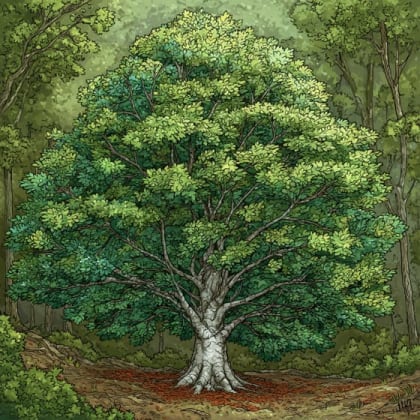
As you explore the preserve, a network of well-maintained trails guides you through its varied landscapes, with the scenic Buell Brook winding through the heart of the area, offering picturesque stream crossings and gentle elevation changes. Key highlights include sections of old-growth forest, locally known as Kilmer Woods, which harbor impressive native trees like Ash, Beech, Hickory, and Northern Red Oak. Visitors can also discover historical remnants of the World War II-era Camp Kilmer, adding a unique historical dimension to their natural exploration.
Whether you're seeking a peaceful walk, a challenging trail run, or an opportunity for wildlife observation, the Rutgers Ecological Preserve provides a memorable experience. It’s an ideal destination to connect with nature, witness seasonal transformations, and enjoy the tranquility of a robust ecosystem thriving amidst an urban setting. The preserve's role as an outdoor teaching area also means ongoing research and conservation efforts enhance its ecological value and visitor experience. Explore the grounds like a pro—download the Snappit app to instantly identify animals and plants.
The lands that now form the Rutgers Ecological Preserve have a rich history dating back to colonial times, with sections used as encampments by troops during the Revolutionary War. In the 1800s, much of the property was utilized for farming and livestock. Rutgers University acquired the land in stages between 1945 and 1963, with some portions formerly belonging to the Johnson and Johnson family. The preserve was formally established in 1976 by the Rutgers Board of Governors, designated as the Rutgers Ecological Preserve and Natural Teaching Area. This establishment aimed to preserve the property's natural ecological characteristics and provide an outdoor teaching area for university students and researchers. Additionally, remnants of the immense World War II Camp Kilmer, built shortly after the U.S. entered the war, can still be found within the preserve, including former munitions bunkers.
Hiking, trail running, mountain biking (on designated trails, with conditions), nature walks, birdwatching, wildlife observation, and photography. The preserve is also a site for ecological research and teaching, so you may encounter informative signage.
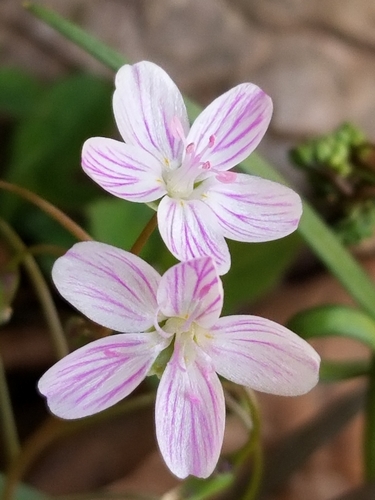
Spring: Witness the emergence of delicate spring ephemerals and the breeding activity of wood frogs in vernal pools.
Summer: Lush green canopy provides shade for hiking, and many bird species are active.
Autumn: Experience spectacular fall foliage as the diverse tree species change color.
Winter: Trails are still accessible and offer a different kind of beauty, with opportunities for snowshoeing during snowy periods.
A newly constructed wheelchair-accessible trail, made of crushed red shale stone dust over landscape fabric, is available near the Road 1 entrance, leading towards Buell Brook. This trail is designed for wheelchairs, walkers, and child strollers.
These trails offer some of the most scenic views, following the brook with engaging stream crossings and gentle elevation changes.
Explore areas with mature trees like Northern Red Oak, Beech, and Hickory, representing one of the finest old-growth forests in central New Jersey.
Along the White trail, discover concrete fragments and barriers that are remnants of a WWII-era ammunition bunker.
Wander through woodlands, wetlands, and meadows to observe a variety of plant communities and wildlife.
Each card links to a full Explore page with photos, traits, and fun facts.
Start with the big picture, then zoom in to explore individual wildlife observations around this place.
Parking
** On weekends, visitors can often park for free in designated Rutgers University lots (e.g., Yellow or Green Lot on Livingston Campus). Alternatively, parking is always available at Johnson Park, with an EcoPreserve trailhead across River Road. Weekday parking in the EcoPreserve lot typically requires a permit.
Footwear
Wear sturdy, appropriate footwear, as some trails can be hilly with compact red clay/shale and roots.
Stay on Trails
Please stay on designated trails to protect the delicate ecosystem and for your own safety.
Leave No Trace
Practice Leave No Trace principles; pack out everything you pack in to help maintain the preserve's natural beauty.
Mountain Biking
If mountain biking, avoid trails within 24 hours after heavy rain to prevent trail erosion and damage.
Birdwatching Gear
Bring binoculars for an enhanced birdwatching experience, especially near the bird feeding station.
Jun 16, 2026
Jun 6, 2026
Jun 4, 2026
Jun 3, 2026
May 31, 2026

Maryland, US
You might spot White-Tailed Deer and Eastern Gray Squirrel.
View guide →
.jpg)
District of Columbia, US
You might spot Eastern Gray Squirrel, Duck, and House Sparrow.
View guide →

Illinois, US
You might spot American Robin, Canada Goose, and House Sparrow.
View guide →

Virginia, US
You might spot Spotted Lanternfly and Northern Cardinal.
View guide →
Take the discovery with you
Identify the wildlife you spot, learn as you go, and keep a collection of the adventure.