.jpg&width=800)





common hedge-nettle
Betonica officinalis
Common hedge-nettle is a lovely plant with pretty purple flowers. It grows in gardens and fields, attracting bees and butterflies that love its sweet nectar.
Habitat: Grasslands
The common hedge-nettle has distinctive square stems and crinkled, heart-shaped leaves that grow opposite each other. Its vibrant pink-purple flowers bloom in dense, upright spikes, making it visually different from stinging nettles as it lacks stinging hairs.
Category
PlantsRarity
Common
Danger
1/5 · Very low
Snaps
Be the first to snap!
Ancient Romans thought it could cure nearly 50 different ailments!
Despite its name, this 'nettle' cannot sting you at all!
It was once grown in gardens to ward off evil spirits and bad luck!
Its beautiful purple flowers can be used to make a natural yellow dye!
Common hedge-nettle produces sweet nectar that helps it attract many buzzing insect pollinators.
Common hedge-nettle has strong square stems that help it stand tall and sturdy, even in windy conditions.
Common hedge-nettle contains special compounds that help it defend against pests and has been used traditionally for healing.
Bombus terrestris
Feeds on nectar, helping the plant reproduce.
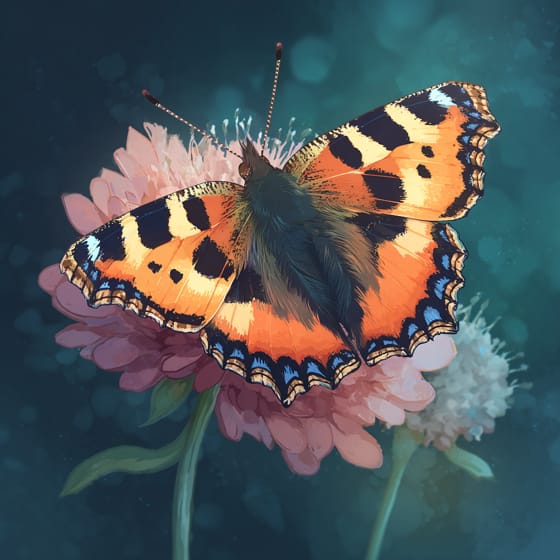
Aglais urticae
Visits flowers for nectar, spreading pollen.
Arion vulgaris
Can graze on the plant's leaves and stems.
Flowering plants are any plants that produce flowers as part of their reproductive cycle.
Ornamental plants are cultivated primarily for their aesthetic appeal, enhancing landscapes and gardens with their attractive foliage, flowers, or form.
Fragrant flowers emit a pleasant aroma, often to attract pollinators or for defense.
Medicinal plants possess chemical compounds that can be used for therapeutic purposes to treat illnesses or maintain health.

Edible plants are those parts of a plant that are considered safe for human consumption.

Grassland habitats are terrestrial biomes dominated by grasses and herbaceous plants, supporting a variety of grazing animals.

Describes plants that are particularly attractive and beneficial to a wide range of pollinating organisms.

Describes organisms that transfer pollen, enabling the fertilization and reproduction of plants.
No aliases listed yet.
Danger
1/5 · Very low
Always ask an adult before picking any plants.
The easiest way to identify common hedge-nettle is to use the Snappit nature identifier app.
30-90 cm
30-60 cm
1-1.5 cm
Summer
Yes
None
Perennial
Zoom in to split clusters and explore where this object has been snapped.
Recent snaps will appear here as new observations are added.
Take the discovery with you
Snap it with Snappit to identify it, learn what makes it special, and add the discovery to your collection.








.jpg&width=800)


_001.jpg&width=800)



