





Common Marble
Syricoris lacunana
The Common Marble is a small, colorful moth that flutters around gardens and fields. Its beautiful patterns make it a fun insect to spot during the day!
Habitat: Urban areas
The Common Marble is a small moth with striking white forewings patterned with irregular black and grey bands, resembling polished marble. A distinctive V-shaped mark often appears near its wing base, setting it apart visually from other moths.
Category
InsectsRarity
Common
Danger
1/5 · Very low
Snaps
Be the first to snap!
Its caterpillars munch on leaves from plants like bedstraw and blackberry, helping them grow big!
Some moths use their antennae to 'smell' amazing distances, even for a mate far away!
The adult moth's scientific name, lacunana, means 'full of holes,' describing its wing patterns!
This tiny moth is often active during the day, happily flitting among flowers in sunshine!
Common Marble has intricate wing patterns that help them blend seamlessly into tree bark or rocky surfaces, making them very hard for predators to spot.
Common Marble can sip sweet nectar from flowers using a long, coiled proboscis because it's designed like a straw to reach deep into blossoms.
Common Marble can fly actively during the daytime, unlike many moths, because its ancestors adapted to avoid nocturnal predators.
Caterpillars munch on leaves, while adult moths enjoy sipping sweet flower nectar.
Age differences: Larvae eat plant leaves, but adults only drink nectar using their proboscis.
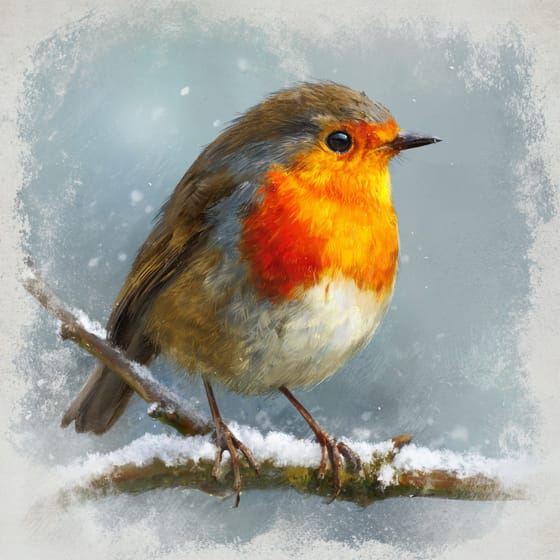
Erithacus rubecula
Adult moths are a food source for insectivorous birds during the day.
Galium album
Caterpillars feed on the leaves of this common wild plant.
Rubus fruticosus
Larvae also consume the leaves of this widespread shrub.

Cirsium arvense
Adult moths visit flower heads, transferring pollen as they feed on nectar.
Social animals live in organized groups, cooperating for survival benefits such as foraging, defense, and raising offspring.
Colorful describes organisms or objects displaying a wide range of bright and distinct colors.
This trait characterizes organisms whose diet consists entirely or primarily of plant material.
Describes plants that are particularly attractive and beneficial to a wide range of pollinating organisms.

Diurnal animals are primarily active during daylight hours, typically resting or sleeping at night.

This habitat trait indicates species that can coexist with humans in urban and suburban environments, utilizing man-made structures and green spaces.

Describes organisms that transfer pollen, enabling the fertilization and reproduction of plants.
No aliases listed yet.
Danger
1/5 · Very low
It's safe to watch moths, but don't touch them as they are delicate.
The easiest way to identify Common Marble is to use the Snappit nature identifier app.
17-21 mm
8-12 mm
7-14 days
8 km/h
Caterpillars munch on leaves, while adult moths enjoy sipping sweet flower nectar.
Urban areas
Foraging
Zoom in to split clusters and explore where this object has been snapped.
Recent snaps will appear here as new observations are added.
Take the discovery with you
Snap it with Snappit to identify it, learn what makes it special, and add the discovery to your collection.







.jpg&width=800)



