.jpg&width=800)





Common Picture-winged Fly
Delphinia picta
The Common Picture-winged Fly is a small insect with beautiful wings that look like a picture! They are often found buzzing around flowers and are fun to watch as they fly.
Habitat: Urban areas
The Common Picture-winged Fly has a dark brown to black body with reddish-brown legs. Its most distinctive feature is its clear wings, which are intricately marked with complex, dark brown or black patterns that resemble tiny, artistic designs.
Category
InsectsRarity
Common
Danger
1/5 · Very low
Snaps
22
Did you know a fly's compound eyes have thousands of tiny lenses?
Their fancy wing patterns are like secret codes for other flies to read!
These flies can zip and change direction faster than you can blink!
They can taste food just by walking on it with their feet!
The Common Picture-winged Fly can wave its patterned wings to mimic a jumping spider because the markings and movement make predators think twice.
The Common Picture-winged Fly can perform nimble aerial maneuvers because its small size and powerful wing beats allow for quick turns and hovering.
The Common Picture-winged Fly has excellent vision and antennae that help them locate distant flowers for food sources.
They sip nectar from flowers and sometimes decaying fruit for energy.
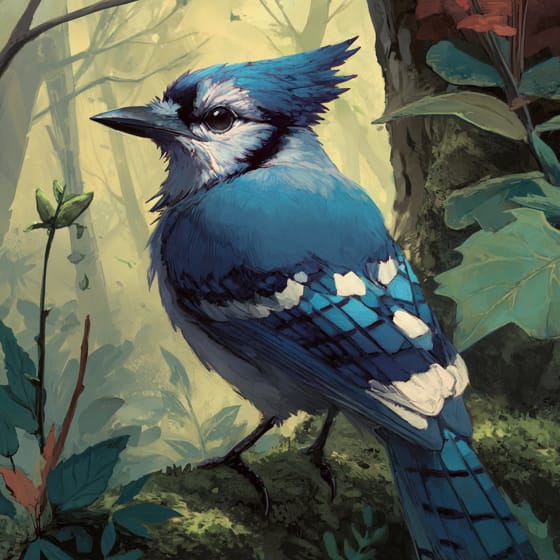
Cyanocitta cristata
A common bird that preys on insects.
Araneus diadematus
These spiders build webs to catch flying insects.

Achillea millefolium
Flies visit these flowers for nectar and pollen.
Social animals live in organized groups, cooperating for survival benefits such as foraging, defense, and raising offspring.
Colorful describes organisms or objects displaying a wide range of bright and distinct colors.
This trait characterizes organisms whose diet consists entirely or primarily of plant material.
Describes plants that are particularly attractive and beneficial to a wide range of pollinating organisms.

Diurnal animals are primarily active during daylight hours, typically resting or sleeping at night.

This habitat trait indicates species that can coexist with humans in urban and suburban environments, utilizing man-made structures and green spaces.

Describes organisms that transfer pollen, enabling the fertilization and reproduction of plants.
No aliases listed yet.
Danger
1/5 · Very low
These flies are harmless, but it's best to watch them from a distance.
The easiest way to identify Common Picture-winged Fly is to use the Snappit nature identifier app.
8-12 mm
4-6 mm
15-30 days
They sip nectar from flowers and sometimes decaying fruit for energy.
Urban areas
Foraging
6
Zoom in to split clusters and explore where this object has been snapped.

Connecticut, US
You might spot American Robin, Eastern Poison Ivy, and Duck.
View guide →

North Carolina, US
You might spot Northern Cardinal, Carolina Wren, and Tufted Titmouse.
View guide →

Maryland, US
You might spot Osprey, Duck, and Spotted Lanternfly.
View guide →

Tennessee, US
You might spot American Robin, Northern Cardinal, and Eastern Chipmunk.
View guide →

Iowa, US
You might spot House Sparrow, Northern Cardinal, and House Finch.
View guide →

Rhode Island, US
You might spot Common Eastern Bumble Bee and Asian Lady Beetle.
View guide →
Take the discovery with you
Snap it with Snappit to identify it, learn what makes it special, and add the discovery to your collection.







.jpg&width=800)



