





Asian Lady Beetle

Step back in time at the Davisville Historic District, a preserved 19th-century mill village in North Kingstown, Rhode Island.
Step back in time at the Davisville Historic District, a preserved 19th-century mill village in North Kingstown, Rhode Island. This captivating district offers a unique window into the early industrial and rural heritage of New England, officially recognized on the National Register of Historic Places since 1985. Wander through a landscape where history truly comes alive, showcasing a harmonious blend of historical architecture and natural beauty along the scenic Hunt River.
The district's charm lies in its collection of well-preserved 18th and 19th-century homes, primarily 2.5-story, gable-roofed, wood-frame structures. Visitors can admire architectural styles ranging from Federal and Greek Revival to Gothic, each telling a story of the evolving tastes and craftsmanship of the era. The area also encompasses the site of an early 19th-century textile mill and the Davis family cemetery, providing a tangible connection to the community's founders and its industrial roots.
Visiting Davisville Historic District is an immersive experience, offering a serene escape and a deep dive into Rhode Island's rich past. It's a place to appreciate the enduring beauty of historic architecture, reflect on the lives of early settlers and mill workers, and enjoy the tranquil integration of woods and cleared fields that define its preserved 19th-century setting. Whether you're a history enthusiast, an architecture admirer, or simply seeking a peaceful stroll, Davisville promises a memorable journey through time. Eager to name that creature? Identify any animal you find during your visit using the Snappit app.
The story of Davisville begins with Joshua Davis, the first settler who arrived in 1694 from Newport. The village, named after the Davis family, developed around the grist and sawmills established by Joshua Davis along the banks of the Hunts River in the early 1700s. Generations of the Davis family continued to expand the milling operations; by 1811, they were operating one of the region's earliest water-powered woolen looms. The original mill structure was destroyed by fire in 1847 but was promptly replaced by a larger, two-story wooden mill that remained active until 1924. While the original mill structures no longer stand, the Davisville Historic District preserves the residential and environmental character of this thriving 18th and 19th-century mill village. The area also saw the development of a second village centered around a train depot and later a steam-powered textile mill in the late 19th century, although these too have since been demolished. This district stands as a testament to the enduring legacy of the Davis family and the significant role of textile manufacturing in shaping Rhode Island's early economy.
Take a self-guided walking tour to appreciate the diverse architectural styles, read any informational plaques, and imagine life in a historic mill village. Enjoy the quiet, rural setting that has largely been preserved.
Spring: Enjoy budding foliage and mild temperatures, ideal for walking.
Summer: Lush greenery, but can be warm; mornings or late afternoons are best.
Fall: Vibrant autumn colors enhance the scenic beauty of the historic landscape.
Winter: A quieter experience, but some paths might be less accessible depending on snow cover.
The district is primarily an outdoor area along Davisville Road. While the main road is paved, some areas leading to houses or the cemetery might involve gravel or dirt paths. Visitors should be prepared for uneven terrain. Specific wheelchair accessibility information is not readily available, so caution is advised for those with mobility challenges.
Admire the various well-preserved wood-frame houses showcasing Federal, Greek Revival, and Gothic architectural styles.
Explore the historical area where the early grist and textile mills once operated along the Hunt River, the economic heart of the village.
Discover the resting place of the pioneering Davis family, offering a poignant connection to the district's founders.
This significant historic dwelling is set back from the road and represents an important part of the district's residential heritage.
Each card links to a full Explore page with photos, traits, and fun facts.

















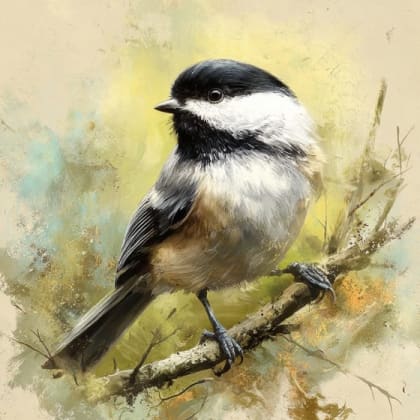
































Start with the big picture, then zoom in to explore individual wildlife observations around this place.
Wear comfortable walking shoes
You'll be exploring the district on foot, likely on paved roads and potentially uneven gravel or dirt paths.
Bring a camera
The historic architecture, scenic river views, and preserved rural setting offer excellent photographic opportunities.
Respect private property
Many of the historic homes are private residences. Please view them from public areas and do not trespass.
Allow time for reflection
Take moments to imagine the lives of the people who lived and worked in this historic village centuries ago.
Look for architectural details
Pay close attention to the unique features of the Federal, Greek Revival, and Gothic style homes, such as window patterns, doorways, and rooflines.
May 29, 2026
Photo attribution
(c) Tyler Ekholm, some rights reserved (CC BY)
License: CC BY 4.0 ↗
Image may be shown cropped inside the card frame.
Jun 16, 2026
Jun 15, 2026
Jun 14, 2026
Jun 12, 2026

Maryland, US
You might spot White-Tailed Deer and Eastern Gray Squirrel.
View guide →
.jpg)
District of Columbia, US
You might spot Eastern Gray Squirrel, Duck, and House Sparrow.
View guide →

Illinois, US
You might spot American Robin, Canada Goose, and House Sparrow.
View guide →

Virginia, US
You might spot Spotted Lanternfly and Northern Cardinal.
View guide →
Take the discovery with you
Identify the wildlife you spot, learn as you go, and keep a collection of the adventure.
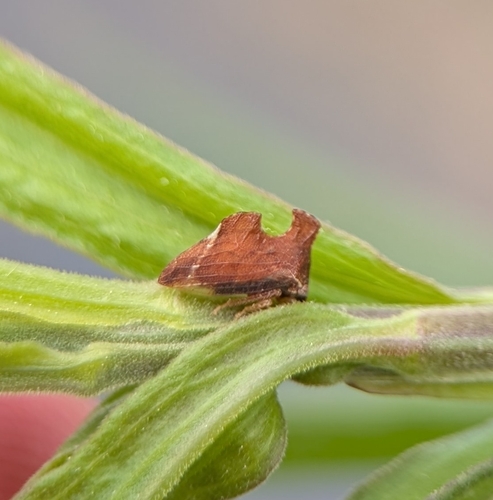




_-_(imago)%2C_Cape_Cod_(MA)%2C_United_States.jpg&width=800)

