





Tulip-tree Silkmoth
Callosamia angulifera
The Tulip-tree Silkmoth is a beautiful moth with big, soft wings that look like a flower! They are usually found in forests and are known for their fuzzy bodies.
Habitat: Forests
The Tulip-tree Silkmoth has striking reddish-brown wings with a distinctive white, comma-shaped mark on each wing, outlined in black. Its large wings can also feature pinkish-white bands near the edges, making it stand out from plainer moths.
Category
InsectsRarity
Common
Danger
1/5 · Very low
Snaps
10
Adult moths don't eat at all, living only off energy stored as a caterpillar!
Cocoons often hang disguised as dead leaves or bark on tree branches!
Male moths have feathery antennae to smell females from miles away!
Their giant caterpillars can grow as long as your finger!
Tulip-tree Silkmoth can send and receive invisible scent signals over long distances because of special antennae that help them find a mate.
Tulip-tree Silkmoth larvae have a vivid green color and bumpy texture that helps them perfectly blend in with tree leaves.
Tulip-tree Silkmoth can spin a strong, silken cocoon because of specialized glands that help them safely transform into an adult.
Caterpillars munch on tree leaves, but adult moths do not eat at all!
Age differences: Caterpillars are voracious leaf-eaters, but adult moths do not possess mouthparts for feeding.
Furry describes animals possessing a dense covering of soft hair or fur.
Colorful describes organisms or objects displaying a wide range of bright and distinct colors.
This trait characterizes organisms whose diet consists entirely or primarily of plant material.
Forest habitats are terrestrial environments dominated by dense tree cover, supporting a high diversity of plant and animal life.

Nocturnal animals are primarily active during the nighttime hours, typically resting or sleeping during the day.

Describes organisms that transfer pollen, enabling the fertilization and reproduction of plants.
Danger
1/5 · Very low
These moths are harmless, but it's best to watch them from a distance.
The easiest way to identify Tulip-tree Silkmoth is to use the Snappit nature identifier app.
80-120 mm
30-50 mm
5-10 days
Caterpillars munch on tree leaves, but adult moths do not eat at all!
Forests
Foraging
6
Zoom in to split clusters and explore where this object has been snapped.
.jpg)
Virginia, US
You might spot Great Blue Heron and Canada Goose.
View guide →

Maryland, US
You might spot American Cancer-Root and Rue Anemone.
View guide →

Georgia, US
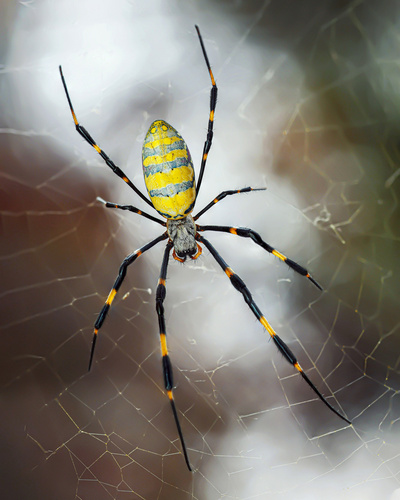
You might spot Asian Lady Beetle, Anole, and Joro Spider.
View guide →

Alabama, US
You might spot Red-Headed Woodpecker and Hardwood Stump Borer.
View guide →
Georgia, US
You might spot Joro Spider, American Pokeweed, and Eastern Gray Squirrel.
View guide →

North Carolina, US
You might spot Striped Wintergreen, Pink Lady's Slipper, and Galax.
View guide →
Take the discovery with you
Snap it with Snappit to identify it, learn what makes it special, and add the discovery to your collection.








.jpg&width=800)


