





common polypody
Polypodium vulgare
Common polypody is a lovely fern that grows in shady places. Its bright green leaves look like little fans and can be found in forests and on rocks.
Habitat: Forests
The common polypody has leathery, dark green fronds that are deeply lobed, giving them a ladder-like appearance. Its undersides are dotted with distinctive round, orange-brown spore cases called sori. It often grows in dense clumps, clinging to rocks or tree trunks with creeping rhizomes.
Category
PlantsRarity
Common
Danger
1/5 · Very low
Snaps
Be the first to snap!
Ancient people used parts of this fern to make herbal remedies for coughs and tummy aches!
Its roots taste faintly sweet, earning it the nickname 'licorice fern' in some places!
Polypody can grow high up in trees, sometimes even mistaken for mistletoe from below!
This fern doesn't make seeds; instead, it reproduces with millions of tiny, dust-like spores!
common polypody can cling to rocks and tree bark, allowing it to grow where other plants often struggle for soil.
common polypody has tiny, dust-like spores that are carried by the wind, helping it spread far and wide.
common polypody keeps its vibrant green fronds all year long, staying fresh even when other plants lose their leaves.

Arion ater
Slugs occasionally feed on its leathery fronds.
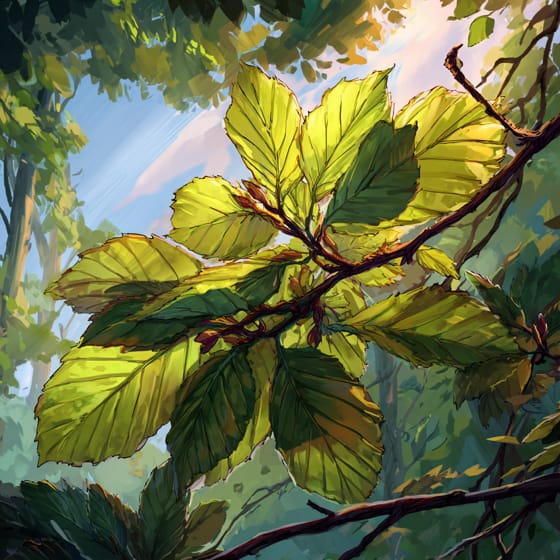
Fagus sylvatica
Often grows in the shade or on bark of large trees.
Hypnum cupressiforme
Shares moist microhabitats on rocks and tree bark.
Shade tolerant plants are adapted to grow and thrive in areas with low light levels, requiring less direct sunlight.
Evergreen plants retain their foliage throughout the year, never shedding all their leaves at once.
Spore-producing organisms reproduce by releasing small, often single-celled, reproductive units called spores.
Describes organisms that break down dead organic material, recycling nutrients back into the ecosystem.

Forest habitats are terrestrial environments dominated by dense tree cover, supporting a high diversity of plant and animal life.

This trait characterizes organisms with an exceptionally long lifespan compared to others of their kind.
No aliases listed yet.
Danger
1/5 · Very low
Don't eat any plants you find outside unless an adult says it's safe.
The easiest way to identify common polypody is to use the Snappit nature identifier app.
10-50 cm
20-100 cm
Yes
None
Perennial
Forests
Zoom in to split clusters and explore where this object has been snapped.
Recent snaps will appear here as new observations are added.
Take the discovery with you
Snap it with Snappit to identify it, learn what makes it special, and add the discovery to your collection.








.jpg&width=800)



_001.jpg&width=800)

