.jpg&width=800)





Borage
Borago officinalis
Borage is a beautiful flower with bright blue petals that look like little stars! It grows in gardens and can attract friendly bees and butterflies.
Habitat: Gardens
The Borage has hairy, bristly stems and leaves, giving it a fuzzy feel. Its vibrant blue, star-shaped flowers often hang downwards, sometimes appearing pink or white. These bright blooms, with black anthers in the center, make it visually distinctive.
Category
PlantsRarity
Common
Danger
1/5 · Very low
Snaps
7
Ancient Roman warriors believed borage brought courage, so they drank wine infused with its leaves!
Borage flowers can actually change color from blue to pink as they grow older!
Borage seeds contain a special oil used to make medicines and skin care products!
Its fuzzy leaves feel just like velcro when you gently touch them!
Borage produces abundant nectar, which helps it attract bees and other pollinators to spread its pollen.
Borage has a deep taproot that helps it find water and nutrients deep in the soil to grow strong.
The bristly hairs covering Borage leaves and stems help protect it from some hungry pests.
Apis mellifera
Collects nectar and pollen.
Bombus terrestris
Visits flowers for nectar.
Vanessa cardui
Feeds on flower nectar.
Flowering plants are any plants that produce flowers as part of their reproductive cycle.
A shrub is a woody plant smaller than a tree, typically with multiple stems branching from or near the ground.
Summer blooming plants produce their flowers during the summer season, often providing vibrant color when many other plants have finished.
Fragrant flowers emit a pleasant aroma, often to attract pollinators or for defense.

Medicinal plants possess chemical compounds that can be used for therapeutic purposes to treat illnesses or maintain health.

Edible plants are those parts of a plant that are considered safe for human consumption.

Describes plants that are particularly attractive and beneficial to a wide range of pollinating organisms.

Describes a species whose presence and role have a disproportionately large effect on its environment.

This habitat trait indicates species that can coexist with humans in urban and suburban environments, utilizing man-made structures and green spaces.
Danger
1/5 · Very low
Always check with an adult before picking or eating any flowers.
The easiest way to identify Borage is to use the Snappit nature identifier app.
60-100 cm
30-60 cm
1-2 cm
Late spring to late summer
Yes
None
Annual
Zoom in to split clusters and explore where this object has been snapped.

Colorado, US
You might spot Eastern Fox Squirrel, Bee, and Duck.
View guide →
Illinois, US
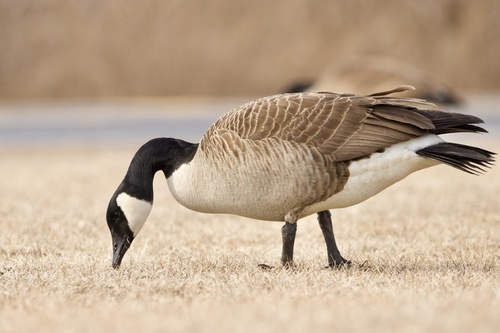
You might spot Canada Goose, House Sparrow, and Rock Pigeon.
View guide →

Oregon, US
You might spot Oregon Oak, Pacific Poison Oak, and American Bullfrog.
View guide →

Illinois, US
You might spot Beluga Whale, Pacific White-Sided Dolphin, and Sea Otter.
View guide →
Illinois, US
You might spot Beluga Whale, Pacific White-Sided Dolphin, and Sea Otter.
View guide →

California, US
You might spot Pacific Banana Slug and Ensatina.
View guide →
Take the discovery with you
Snap it with Snappit to identify it, learn what makes it special, and add the discovery to your collection.








.jpg&width=800)


_001.jpg&width=800)



