





Common Ribbon Snake
Thamnophis saurita
The Common Ribbon Snake is a slender, colorful snake that loves to swim! It has beautiful stripes and is often found near water. These friendly snakes are great at catching small fish and frogs.
Habitat: Wetlands
The Common Ribbon Snake is a slender reptile with a dark body, typically black, brown, or olive. It has three bright, distinct longitudinal stripes (yellow, white, or greenish) and a pale, unmarked belly. Its prominent side stripes help distinguish it from similar garter snakes.
Category
ReptilesRarity
Common
Danger
1/5 · Very low
Snaps
13
A ribbon snake's tail can be nearly one-third of its entire body length!
Ribbon snakes are born live, not from eggs, and are ready to hunt right away!
They can stay underwater for a surprisingly long time to catch their prey!
They often bask on branches over water, ready to drop in if danger appears!
Common Ribbon Snakes have vibrant stripes that help them blend into tall grasses, making them almost invisible to predators.
Common Ribbon Snakes can swim gracefully underwater, allowing them to ambush small fish and amphibians with ease.
Common Ribbon Snakes can rapidly slither away through dense vegetation because of their slender body, helping them escape danger quickly.
These agile hunters mostly eat small amphibians and fish found near water.
Lithobates pipiens
eats tadpoles and small frogs
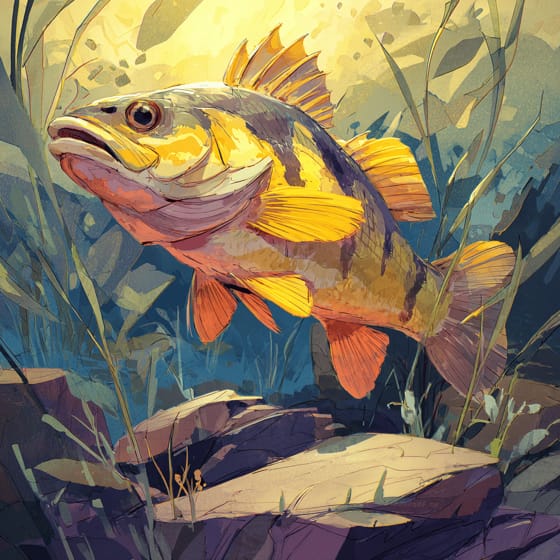
Perca flavescens
preys on small fish, including fry
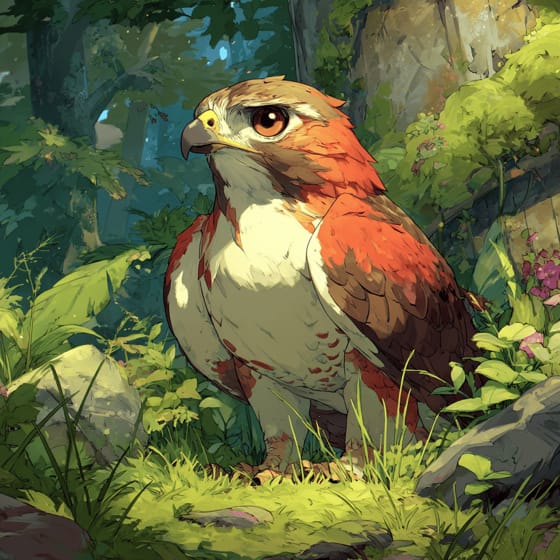
Buteo jamaicensis
is prey for larger raptors
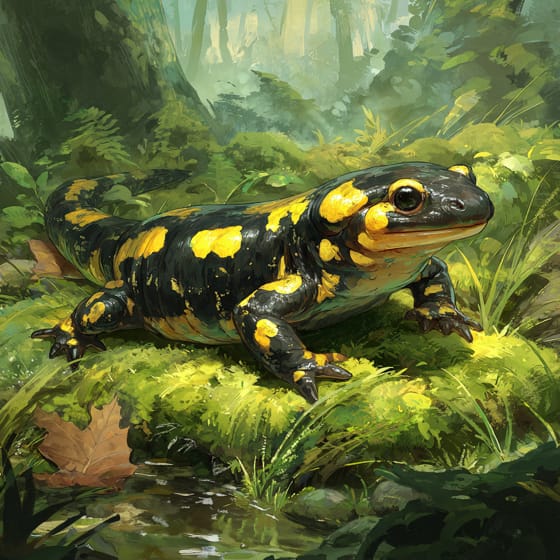
Ambystoma tigrinum
consumes larvae and small adults
Marked with parallel bands or lines of color.
Solitary animals live alone for most of their lives, only interacting with others for mating or parental care.
Colorful describes organisms or objects displaying a wide range of bright and distinct colors.
Piscivorous organisms are animals that primarily subsist on a diet of fish.

This habitat trait identifies species found in wetlands, which are areas of land saturated with water, either permanently or seasonally, including marshes, swamps, and bogs.

Diurnal animals are primarily active during daylight hours, typically resting or sleeping at night.

Aquatic habitats encompass environments where organisms live predominantly in water, including oceans, rivers, lakes, and wetlands.
No aliases listed yet.
Danger
1/5 · Very low
If you see a snake, it's best to watch from a distance and not touch it.
The easiest way to identify Common Ribbon Snake is to use the Snappit nature identifier app.
46-100 cm
0.05-0.15 kg
5-10 years
5 km/h
These agile hunters mostly eat small amphibians and fish found near water.
6 km/h
Wetlands
Zoom in to split clusters and explore where this object has been snapped.

Massachusetts, US
You might spot Eastern White Pine and Common Eastern Bumble Bee.
View guide →

Alabama, US
You might spot Painted Bunting, House Finch, and Red-Shouldered Hawk.
View guide →

Florida, US
You might spot American Beautyberry and Brown Anole.
View guide →
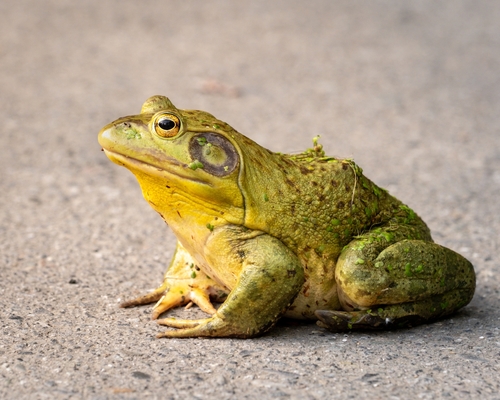
Virginia, US
You might spot American Bullfrog, Snapping Turtle, and Great Blue Heron.
View guide →
Virginia, US
You might spot American Bullfrog, Snapping Turtle, and Great Blue Heron.
View guide →

South Carolina, US
You might spot American Alligator, Great Blue Heron, and Anhinga.
View guide →
Take the discovery with you
Snap it with Snappit to identify it, learn what makes it special, and add the discovery to your collection.













