





common silverweed
Argentina anserina
Common silverweed is a lovely plant that grows close to the ground. It has bright green leaves and pretty yellow flowers that look like little suns shining in the grass.
Habitat: Wetlands
The common silverweed has distinctive pinnate leaves with a silvery-white, felt-like underside, giving it its name. Its bright yellow, five-petaled flowers bloom individually on slender stems, rising from low-lying rosettes.
Category
PlantsRarity
Common
Danger
1/5 · Very low
Snaps
2
Its roots were a survival food for many cultures, even tasting a bit like parsnips!
People once called it 'goose grass' because geese loved to eat its tasty leaves!
Silverweed can grow in salty soil, making it super tough where other plants struggle!
The silver color on its leaves isn't paint; it's tiny hairs reflecting light!
Common silverweed has silvery undersides on its leaves that reflect sunlight, protecting it from too much sun and heat.
Common silverweed grows edible, starchy roots that store energy, helping it survive harsh conditions.
Apis mellifera
Visits flowers for nectar
Anser anser
Eats its leaves and shoots

Oryctolagus cuniculus
Grazes on its leaves
Herbaceous plants are non-woody plants with soft stems that typically die back to the ground at the end of the growing season.
Flowering plants are any plants that produce flowers as part of their reproductive cycle.
Medicinal plants possess chemical compounds that can be used for therapeutic purposes to treat illnesses or maintain health.
Edible plants are those parts of a plant that are considered safe for human consumption.

Describes plants that are particularly attractive and beneficial to a wide range of pollinating organisms.

Rapid growing plants exhibit accelerated growth rates, quickly increasing in size and biomass within a short period.

This habitat trait identifies species found in wetlands, which are areas of land saturated with water, either permanently or seasonally, including marshes, swamps, and bogs.
No aliases listed yet.
Danger
1/5 · Very low
Always wash your hands after touching plants, just to be safe!
The easiest way to identify common silverweed is to use the Snappit nature identifier app.
10-30 cm
30-100 cm
1-2.5 cm
Late spring to early fall
Yes
None
Perennial
Zoom in to split clusters and explore where this object has been snapped.

Michigan, US
You might spot Bladder Campion, Bearberry, and Common Milkweed.
View guide →

US
You might spot Variable Carpet Moth, Bald Eagle, and Red Huckleberry.
View guide →
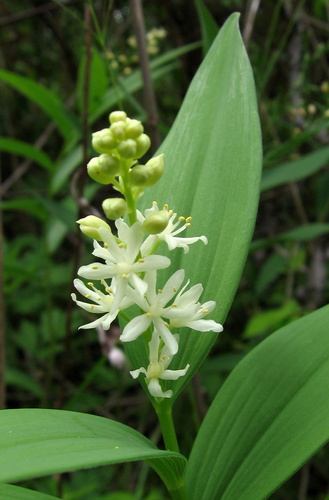
Michigan, US
You might spot Star-Flowered Lily-Of-The-Valley and Common Silverweed.
View guide →
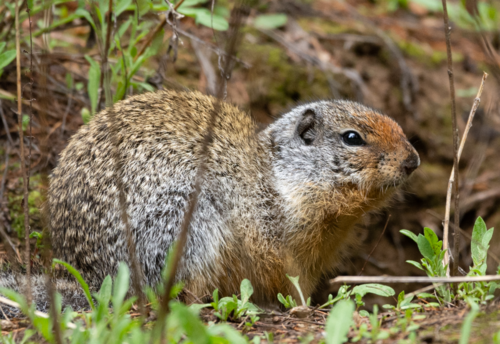
British Columbia, CA
You might spot Columbian Ground Squirrel and Spotted Knapweed.
View guide →
Take the discovery with you
Snap it with Snappit to identify it, learn what makes it special, and add the discovery to your collection.








.jpg&width=800)



_001.jpg&width=800)



