.jpg&width=800)





Running Oak
Quercus pumila
The Running Oak is a small tree that grows low to the ground. It has thick leaves and produces acorns that many animals love to eat.
Habitat: Forests
The Running Oak is a low-growing, shrubby plant with a spreading form, rarely reaching tree size. It has small, somewhat leathery, dark green leaves that are often semi-evergreen. Its inconspicuous flowers are yellowish-green catkins, leading to small, dark brown acorns.
Category
PlantsRarity
Common
Danger
1/5 · Very low
Snaps
Be the first to snap!
Even after a big fire, this tough plant quickly sprouts back from its roots!
It often grows in sandy, dry places where many other plants can't survive!
Its 'running' name comes from underground stems that help it spread far!
Native Americans once used its small acorns as a food source after preparation!
Running Oak has an extensive rhizome system that helps it spread widely and form large colonies.
Running Oak can quickly sprout back from its deep root system after fires, a common event in its habitat.
Running Oak has adaptations to thrive in dry, nutrient-poor sandy soils where many other plants struggle.
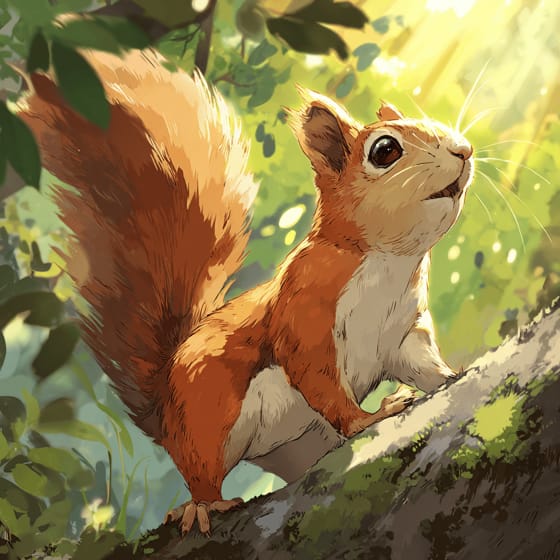
Sciurus carolinensis
consumes its acorns

Odocoileus virginianus
browses foliage and acorns
Meleagris gallopavo
forages for its fallen acorns
Acrobasis demotella
larvae feed on its leaves
Deciduous plants periodically shed all their leaves, typically during autumn or dry seasons.
Shade tolerant plants are adapted to grow and thrive in areas with low light levels, requiring less direct sunlight.
Broadleaf trees are angiosperms characterized by flat, wide leaves that are typically shed annually in temperate climates.
Nut bearing plants produce hard-shelled fruits, commonly known as nuts, which contain a single seed and are a valuable food source.

Drought-tolerant plants can survive and flourish in conditions with limited water availability.

Edible plants are those parts of a plant that are considered safe for human consumption.

Fall color refers to the seasonal change in foliage pigmentation, primarily in deciduous plants, displaying vibrant hues.

Forest habitats are terrestrial environments dominated by dense tree cover, supporting a high diversity of plant and animal life.

This trait characterizes organisms with an exceptionally long lifespan compared to others of their kind.
No aliases listed yet.
Danger
1/5 · Very low
Be careful around trees and watch out for falling branches.
The easiest way to identify Running Oak is to use the Snappit nature identifier app.
50-200 cm
100-300 cm
0.1-0.3 cm
Spring
Yes
None
Perennial
Zoom in to split clusters and explore where this object has been snapped.
Recent snaps will appear here as new observations are added.
Take the discovery with you
Snap it with Snappit to identify it, learn what makes it special, and add the discovery to your collection.







.jpg&width=800)


_001.jpg&width=800)

