





Common Snakeflies
Agulla
Common Snakeflies are fascinating insects that look like they are flying with a snake! They have long bodies and can be found in gardens and forests, where they help control pests.
Habitat: Forests
The Common Snakeflies has a slender, dark brown body with two pairs of clear, veined wings often held roof-like over its back. Its most distinctive feature is a long, flexible neck, which allows its triangular head to be held aloft, resembling a tiny snake.
Category
InsectsRarity
Common
Danger
1/5 · Very low
Snaps
Be the first to snap!
Even as adults, snakeflies are fierce hunters, eating aphids and other tiny bugs!
Female snakeflies have a long ovipositor, like a tiny sword, to lay eggs in crevices!
Some snakefly larvae live for years hidden under tree bark before becoming adults!
These ancient insects have changed little in 200 million years, they're living fossils!
Common Snakeflies can swiftly pivot their triangular heads because of a flexible neck that helps them spot prey without moving their body.
Common Snakeflies has a mottled brown or green coloration that helps them blend perfectly with tree bark and foliage, avoiding predators.
Common Snakeflies larvae can live hidden under bark for years, helping them ambush small insects in tight, dark spaces.
These agile hunters feast on small insects and mites, helping control garden pests.
Age differences: Larvae and adults both hunt small arthropods, but larvae prefer pests found under tree bark.
Aphis gossypii
a common prey item
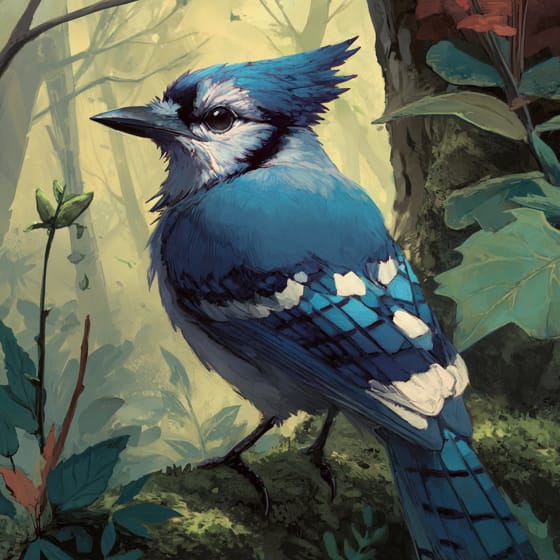
Cyanocitta cristata
a regular bird predator
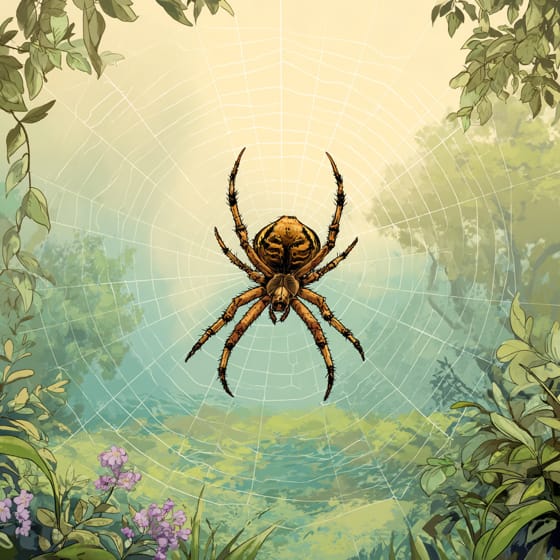
Argiope aurantia
caught in spider webs

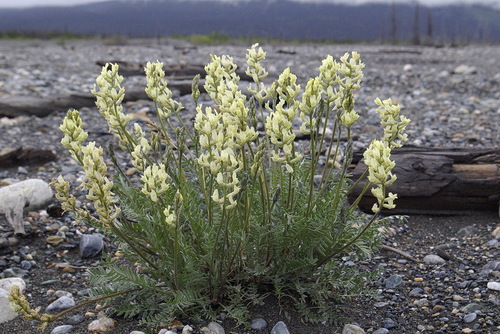
Quercus alba
larvae live under bark
Solitary animals live alone for most of their lives, only interacting with others for mating or parental care.
Aerial creatures spend a significant portion of their lives airborne, utilizing flight for various activities such as hunting, migration, or nesting.
Camouflaged describes organisms that possess coloring or patterns that allow them to blend into their environment.
This trait identifies organisms whose diet primarily consists of insects and other small invertebrates.

An ambush predator hunts by patiently waiting and concealing itself, then launching a sudden attack when unsuspecting prey comes within range.

Forest habitats are terrestrial environments dominated by dense tree cover, supporting a high diversity of plant and animal life.

Diurnal animals are primarily active during daylight hours, typically resting or sleeping at night.

Describes organisms that transfer pollen, enabling the fertilization and reproduction of plants.
No aliases listed yet.
Danger
1/5 · Very low
It's best to watch snakeflies from a distance. They are harmless and just want to catch their food.
The easiest way to identify Common Snakeflies is to use the Snappit nature identifier app.
15-25 mm
10-15 mm
365-1095 days
2-5 km/h
These agile hunters feast on small insects and mites, helping control garden pests.
Forests
Ambush
Zoom in to split clusters and explore where this object has been snapped.
Recent snaps will appear here as new observations are added.
Take the discovery with you
Snap it with Snappit to identify it, learn what makes it special, and add the discovery to your collection.








.jpg&width=800)



