





Compact Carpenter Ant
camponotus planatus
The Compact Carpenter Ant is a tiny builder that makes its home in wood! Watch as it works together with its friends to create amazing tunnels!
Habitat: Forests and wooded areas, often in decaying wood.
The Compact Carpenter Ant is a small, dark ant, typically black or dark brown, with a smooth, glossy body. It has a single node connecting its thorax and abdomen, and its compact size helps distinguish it from larger carpenter ant species.
Category
InsectsRarity
Common
Danger
1/5 · Very low
Snaps
3
Compact Carpenter Ant queens can live for over 20 years, laying thousands of eggs!
Some carpenter ants have been seen 'farming' aphids for their sweet honeydew!
These ants don't eat wood; they just tunnel through it to build their homes!
They use their antennae to 'smell' and 'touch' their way around their dark nests!
Compact Carpenter Ant can tunnel through soft, damp wood to create intricate nest galleries that provide shelter for its colony.
Compact Carpenter Ant can lift objects many times its own weight because of its strong exoskeleton and muscle structure.
Compact Carpenter Ant can communicate complex messages using pheromones, which helps them coordinate foraging and defense.
Compact Carpenter Ant can spray formic acid from its abdomen, which helps them deter predators and overwhelm prey.
These tiny ants are omnivores, munching on sweets and small insects!
Aphis gossypii
protects aphids for their sweet honeydew.
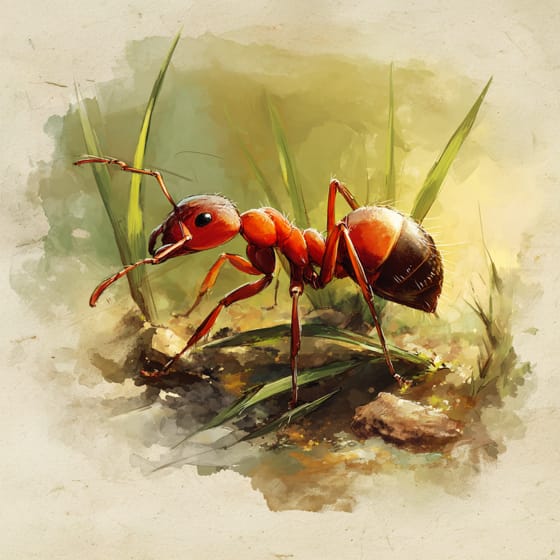
Solenopsis invicta
fire ants are known to prey on smaller ant species.
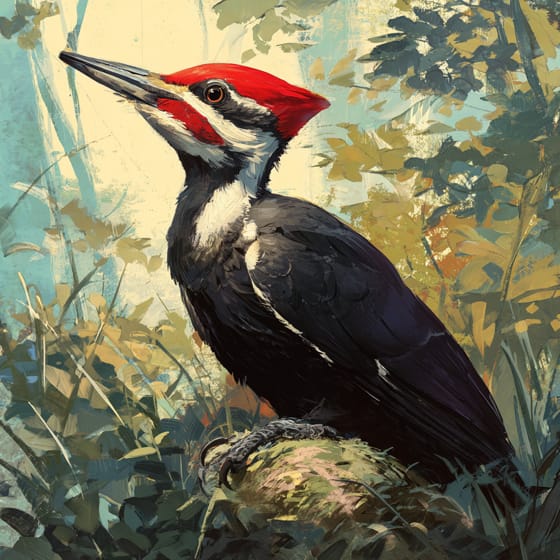
Dryocopus pileatus
woodpeckers often feed on carpenter ants in dead wood.
Social animals live in organized groups, cooperating for survival benefits such as foraging, defense, and raising offspring.
This trait identifies organisms whose diet includes both plant and animal matter.
Describes organisms that break down dead organic material, recycling nutrients back into the ecosystem.
Forest habitats are terrestrial environments dominated by dense tree cover, supporting a high diversity of plant and animal life.

This trait identifies organisms whose diet consists entirely or primarily of animal tissue.
Danger
1/5 · Very low
No special safety notes yet.
The easiest way to identify Compact Carpenter Ant is to use the Snappit nature identifier app.
10-20 mm
3-7 mm
365-730 days
10 km/h
These tiny ants are omnivores, munching on sweets and small insects!
Forests and wooded areas, often in decaying wood.
Foraging
Zoom in to split clusters and explore where this object has been snapped.

US
You might spot Brown Anole, Peters's Rock Agama, and Red Mangrove.
View guide →

Texas, US
You might spot Mediterranean House Gecko and Gulf Coast Toad.
View guide →

Florida, US
You might spot Bottlenose Dolphin, Cownose Ray, and Blacktip Reef Shark.
View guide →
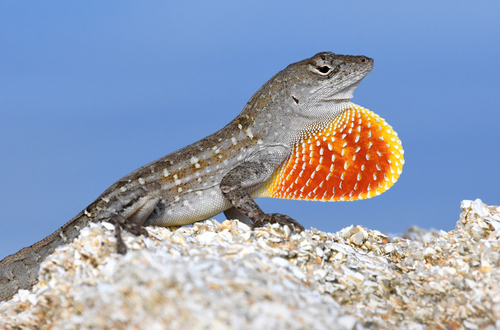
Florida, US
You might spot Brown Anole and Green Treefrog.
View guide →
Take the discovery with you
Snap it with Snappit to identify it, learn what makes it special, and add the discovery to your collection.









.jpg&width=800)



