





Corn Bunting
Emberiza calandra
The Corn Bunting is a cheerful bird that loves to sing! It has a chunky body and a lovely yellowish belly. You can often find it perched on fences or singing from the tops of bushes.
Habitat: Grasslands
The Corn Bunting is a plump, streaky brown bird with a plain appearance and a short, conical bill. Both males and females look alike, lacking the distinct head patterns of other buntings. It blends well into its grassland and farmland habitats.
Category
BirdsRarity
Common
Danger
1/5 · Very low
Snaps
Be the first to snap!
Its unique song sounds like jangling keys!
Males often mate with several females.
Their population helps show farm health.
They swallow tiny stones to aid digestion.
Corn Bunting has a unique, rattling song that sounds like jangling keys, which helps males claim territory and attract mates.
Corn Bunting can build expertly camouflaged nests directly on the ground, protecting its eggs from many predators.
Corn Bunting has a strong, conical beak that helps it efficiently crack open tough seeds for food.
Mainly eats seeds and grains, especially in winter, switching to insects and spiders in summer.
Age differences: Young birds (chicks) are fed protein-rich insects, while adults consume more seeds.
Falco tinnunculus
Kestrels hunt small birds in open fields.
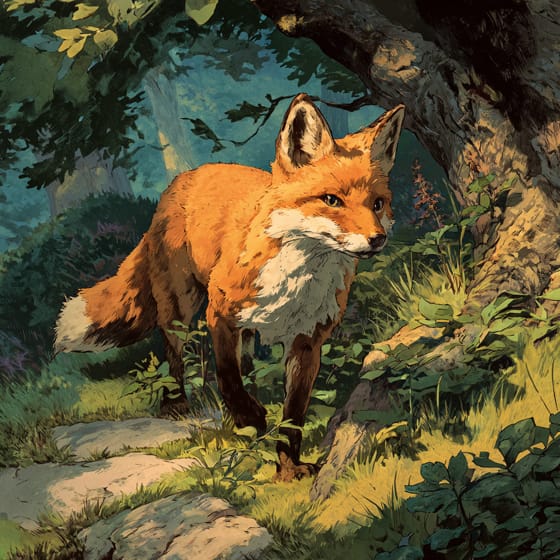
Vulpes vulpes
Foxes prey on ground-nesting birds and eggs.
Triticum aestivum
They feed on seeds from cereal crops.

Poa annua
Buntings consume seeds from various common grasses.
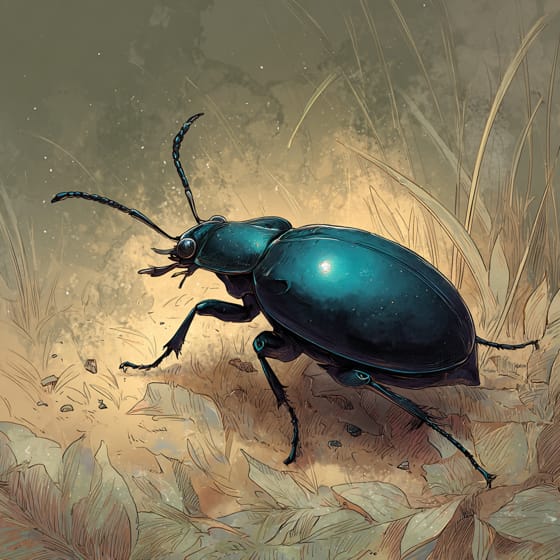
Carabus nemoralis
Adults and chicks eat these common insects.
Feathered describes animals, primarily birds, possessing a covering of feathers.
Social animals live in organized groups, cooperating for survival benefits such as foraging, defense, and raising offspring.
Singing animals produce complex vocalizations, often for purposes of attracting mates, defending territory, or communicating within their species.
Grassland habitats are terrestrial biomes dominated by grasses and herbaceous plants, supporting a variety of grazing animals.

This trait characterizes organisms whose diet consists entirely or primarily of plant material.

Diurnal animals are primarily active during daylight hours, typically resting or sleeping at night.
No aliases listed yet.
Danger
1/5 · Very low
Enjoy watching birds from a distance and don't disturb their nests.
The easiest way to identify Corn Bunting is to use the Snappit nature identifier app.
16-19 cm
23-26 cm
0.038-0.056 kg
2-8 years
50 km/h
Mainly eats seeds and grains, especially in winter, switching to insects and spiders in summer.
Grasslands
Zoom in to split clusters and explore where this object has been snapped.
Recent snaps will appear here as new observations are added.
Take the discovery with you
Snap it with Snappit to identify it, learn what makes it special, and add the discovery to your collection.




.jpg&width=800)








