


Cortinarius
Cortinarius
Cortinarius is a type of mushroom that grows in forests. It has a unique cap with different colors and patterns, making it fascinating to discover during nature walks.
Habitat: Forests
The Cortinarius is a diverse mushroom genus, often recognized by its rusty brown spores. Many species have caps in shades of brown, yellow, purple, or red, some with a slimy texture or fibrous surface, and a delicate web-like veil on the stem.
Category
FungiRarity
Common
Danger
2/5 · Low
Snaps
Be the first to snap!
Many Cortinarius mushrooms are so hard to identify, even experts struggle!
Some poisonous species can cause kidney failure days after being eaten!
Their name means 'curtain-bearer' because of their unique veil.
This huge mushroom family contains thousands of different species!
Cortinarius forms a symbiotic relationship with trees, sharing vital nutrients they absorb from the soil because of its root connections.
It has a special web-like veil called a cortina that protects its developing gills and spores that helps them mature safely.
Many species produce powerful chemicals that make them inedible or poisonous, because this deters hungry animals.
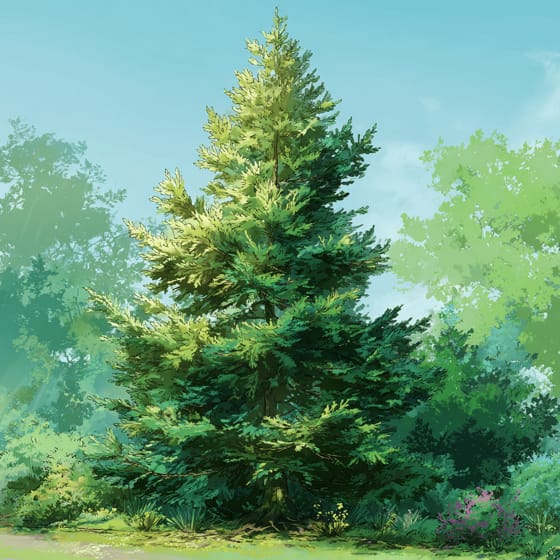
Picea abies
Helps spruce trees absorb water and nutrients.
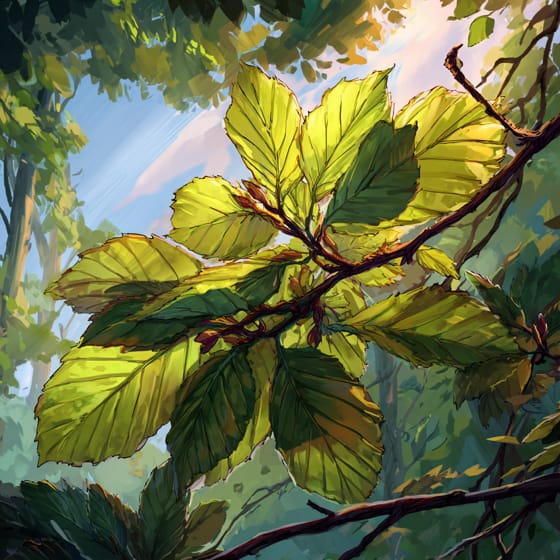
Fagus sylvatica
Forms mutually beneficial root partnerships with beech trees.
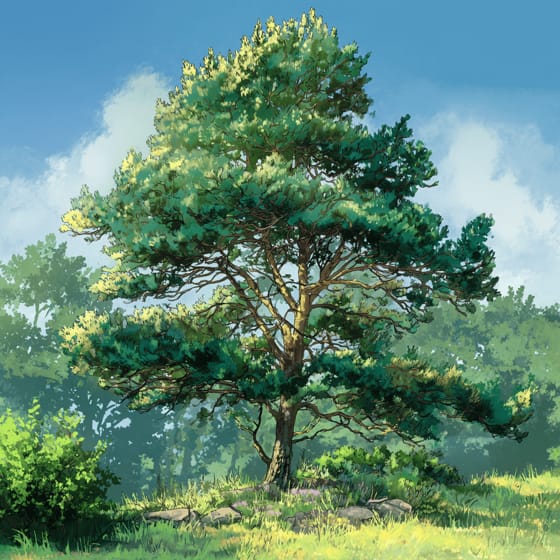
Pinus sylvestris
Essential for nutrient exchange with pine root systems.
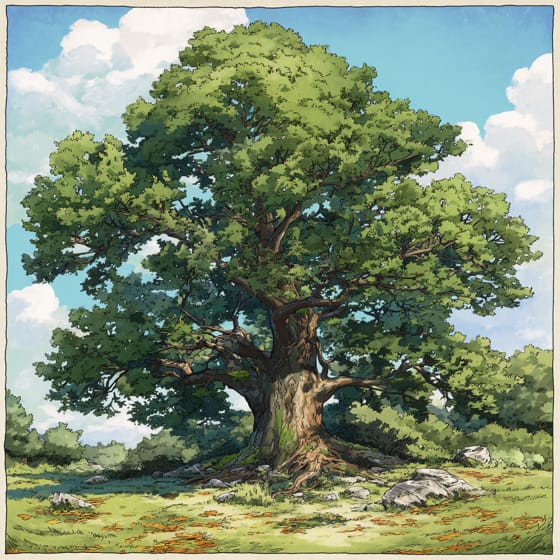
Quercus robur
Many species form mycorrhizal associations with oak trees.
This trait describes a symbiotic relationship between a fungus and the roots of a plant, benefiting both organisms.
Spore-producing organisms reproduce by releasing small, often single-celled, reproductive units called spores.
Colorful describes organisms or objects displaying a wide range of bright and distinct colors.
This trait signifies organisms belonging to a very old evolutionary group with ancestors dating back millions of years.

Forest habitats are terrestrial environments dominated by dense tree cover, supporting a high diversity of plant and animal life.
No aliases listed yet.
Danger
2/5 · Low
Never touch or eat any mushrooms without an adult's permission and guidance.
The easiest way to identify Cortinarius is to use the Snappit nature identifier app.
3-20 cm
poisonous
2-18 cm
Forests
soil
Late summer to fall
Rusty brown
Zoom in to split clusters and explore where this object has been snapped.
Recent snaps will appear here as new observations are added.
Take the discovery with you
Snap it with Snappit to identify it, learn what makes it special, and add the discovery to your collection.