





Cosmos
Cosmos bipinnatus
Cosmos has colorful flowers that come in pink, white, and purple! They are very cheerful and attract lots of butterflies.
Habitat: Gardens and fields
The Cosmos has cheerful, daisy-like flowers with delicate, feathery foliage. Its petals come in vibrant shades of pink, purple, white, and orange, often with a sunny yellow center. The distinct slender petals radiate outwards, making it visually striking.
Category
PlantsRarity
Common
Danger
1/5 · Very low
Snaps
3
Before blooming, Cosmos flower buds nod over, looking sleepy, then perk up to face the sun!
Cosmos can attract beneficial insects like hoverflies, which help protect your garden from pests!
The name 'Cosmos' comes from a Greek word for 'order' or 'harmony' because of its neat petals!
These happy flowers are often called 'cut-and-come-again' because picking them encourages even more blooms!
Cosmos has bright, open flowers that produce abundant nectar, helping it attract bees and butterflies for successful pollination.
Cosmos can thrive in full sun and tolerate dry conditions, which helps it grow strong and healthy in open, sunny spots.
Cosmos produces many seeds that can drop and sprout new plants next year, helping it reproduce easily and spread its population.
Apis mellifera
Visits flowers for nectar and pollen.
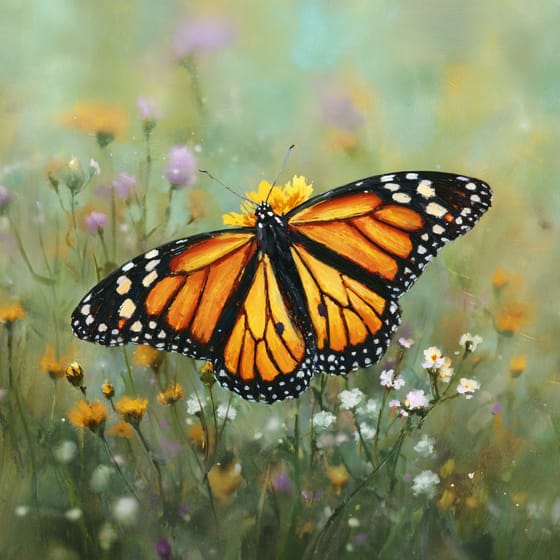
Danaus plexippus
Feeds on nectar, helping spread pollen.
Bombus impatiens
Collects pollen and nectar from blooms.
Annual plants complete their entire life cycle, from germination to seed production, within a single growing season.
Summer blooming plants produce their flowers during the summer season, often providing vibrant color when many other plants have finished.
Fragrant flowers emit a pleasant aroma, often to attract pollinators or for defense.
Colorful describes organisms or objects displaying a wide range of bright and distinct colors.

Grassland habitats are terrestrial biomes dominated by grasses and herbaceous plants, supporting a variety of grazing animals.

Describes plants that are particularly attractive and beneficial to a wide range of pollinating organisms.
Danger
1/5 · Very low
Explore with care and ask an adult if you’re unsure what to do.
The easiest way to identify Cosmos is to use the Snappit nature identifier app.
60-150 cm
30-60 cm
5-10 cm
Summer to fall
No
None
Annual
Zoom in to split clusters and explore where this object has been snapped.

South Carolina, US
You might spot Anole, Green Treefrog, and Eastern Gray Squirrel.
View guide →

Nebraska, US
You might spot Mule Deer, House Sparrow, and Eurasian Collared-Dove.
View guide →

Utah, US
You might spot Showy Milkweed and Black-Spotted Lady Beetles.
View guide →
Take the discovery with you
Snap it with Snappit to identify it, learn what makes it special, and add the discovery to your collection.










.jpg&width=800)


_001.jpg&width=800)




