





Cottonwood Leaf Beetle
Chrysomela scripta
The Cottonwood Leaf Beetle is a small, shiny beetle that loves to munch on cottonwood leaves. They are bright yellow with black spots, making them easy to spot on the trees they eat.
Habitat: Forests
The Cottonwood Leaf Beetle has an oval, somewhat flattened body. It features a shiny, often metallic black head and thorax, with distinctive yellow or orange stripes running down its black wing covers, sometimes dotted with black spots. Its bright coloration makes it visually distinct from many other leaf beetles.
Category
InsectsRarity
Common
Danger
1/5 · Very low
Snaps
4
Mom beetles glue tiny bright yellow eggs to the bottom of leaves, like secret treasures!
Sometimes hundreds of these beetles gather together, creating a beetle party!
Too many beetles can make a cottonwood tree look like it has no leaves at all!
Young beetles are slug-like grubs that eat leaves just like their parents!
Cottonwood Leaf Beetles can release foul-tasting compounds from their bodies because they absorb plant toxins, helping them deter predators.
Cottonwood Leaf Beetles have powerful chewing mouthparts adapted for feasting on tough cottonwood and willow leaves, their main food.
Cottonwood Leaf Beetles can survive freezing temperatures by hibernating as adults in sheltered spots, waiting for spring.
These beetles and their larvae munch exclusively on the leaves of cottonwood and willow trees.
Age differences: Larvae and adults both feed on host plant leaves, just in different life stages.

Populus deltoides
Beetle larvae and adults feed on its leaves.

Salix babylonica
Also a primary food source for both life stages.
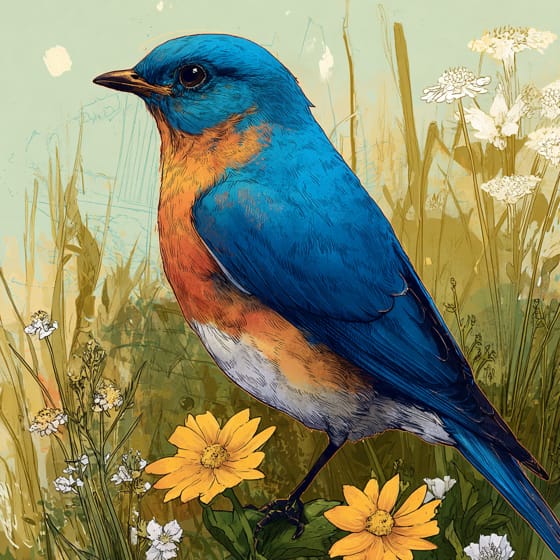
Sialia sialis
Bluebirds prey on various insects, including beetles.
Araneus diadematus
Spiders can capture beetles in their sticky webs.
Chetogena scripta
Lays eggs on larvae, which are then consumed.
Marked with spots or patches of a different color.
Solitary animals live alone for most of their lives, only interacting with others for mating or parental care.
Colorful describes organisms or objects displaying a wide range of bright and distinct colors.
This trait characterizes organisms whose diet consists entirely or primarily of plant material.

Forest habitats are terrestrial environments dominated by dense tree cover, supporting a high diversity of plant and animal life.

Diurnal animals are primarily active during daylight hours, typically resting or sleeping at night.

Describes a species whose presence and role have a disproportionately large effect on its environment.

Describes organisms that transfer pollen, enabling the fertilization and reproduction of plants.
No aliases listed yet.
Danger
1/5 · Very low
It's best to look at beetles from a distance and not touch them.
The easiest way to identify Cottonwood Leaf Beetle is to use the Snappit nature identifier app.
5-8 mm
30-90 days
These beetles and their larvae munch exclusively on the leaves of cottonwood and willow trees.
Forests
Grazing
6
Zoom in to split clusters and explore where this object has been snapped.

New Mexico, US
You might spot Duck, Greater Roadrunner, and American Robin.
View guide →

New Mexico, US
You might spot Wood Duck, Duck, and Canada Goose.
View guide →

New Mexico, US
You might spot Sand Tiger Shark and Zebra Shark.
View guide →

Nebraska, US
You might spot American Robin and Hackberry Nipplegall Psyllid.
View guide →

Illinois, US
You might spot Common Eastern Bumble Bee and White-Tailed Deer.
View guide →
New Mexico, US
You might spot Olive Tree, Saguaro Cactus, and Sheep.
View guide →
Take the discovery with you
Snap it with Snappit to identify it, learn what makes it special, and add the discovery to your collection.







.jpg&width=800)

