





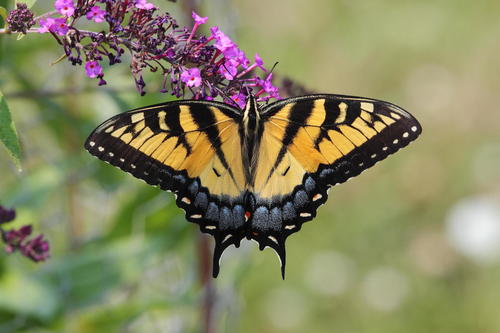
Eastern Tiger Swallowtail
The Plant Collections Network (PCN) is a vital continental initiative dedicated to preserving and promoting the genetic diversity of plants across North America.
The Plant Collections Network (PCN) is a vital continental initiative dedicated to preserving and promoting the genetic diversity of plants across North America. As a program of the American Public Gardens Association (APGA), it works collaboratively with botanical gardens and arboreta, ensuring that significant plant groups are meticulously collected, documented, and maintained for future generations. This network is not a single physical location but rather a coordinated effort among numerous public gardens, making it one of the most significant systems for cultivated living plant collections globally.
Through rigorous accreditation, the PCN establishes and upholds high standards for plant collections management, encouraging institutions to build and curate comprehensive living libraries of specific plant taxa. These Nationally Accredited Plant Collections™ range from widespread genera like oaks (*Quercus*) and maples (*Acer*) to unique and often threatened groups such as cycads and pitcher plants (*Sarracenia*). Each collection serves as a critical reservoir of germplasm, supporting conservation, scientific research, and public education.
Visiting the Plant Collections Network means exploring the diverse and specialized collections housed within its member gardens. These living collections offer unparalleled opportunities to see rare and exceptional plants, understand their ecological importance, and appreciate the dedicated horticultural work involved in their preservation. By fostering collaboration and sharing expertise among public gardens, the PCN ensures that these precious botanical treasures are not only protected but also accessible for study, enjoyment, and inspiring a deeper connection to the plant kingdom. Explore the grounds like a pro—download the Snappit app to instantly identify animals and plants.
The Plant Collections Network, originally established as the North American Plant Collections Consortium (NAPCC), emerged in the early 1990s from growing concerns over global biodiversity loss. It was founded through a partnership between the American Public Gardens Association (APGA) and the USDA Agricultural Research Service (USDA-ARS). This collaboration aimed to create a continent-wide, systematic approach to plant germplasm preservation among North American botanical gardens and arboreta. The first plant collections received formal accreditation in 1996, setting high standards for documentation, maintenance, and accessibility of specialized holdings. Over time, the program evolved, and in 2015, the name was officially changed to the Plant Collections Network (PCN) to better reflect its collaborative and interconnected nature. Today, the PCN continues its mission, supporting over 140 accredited collections at more than 80 gardens across North America.
Identify a specific plant group or genus that interests you (e.g., maples, magnolias, carnivorous plants).
* Use the American Public Gardens Association website to find a Nationally Accredited Plant Collection™ specializing in that plant group at a public garden near you.
* Visit the chosen public garden and explore its accredited collection, looking for signage that denotes its PCN status.
* Learn about the conservation efforts and research associated with these specialized collections.
Seasonal interest varies greatly by collection type and geographic location. For instance, many woody ornamental collections like *Syringa* (lilacs) or *Forsythia* thrive in spring, while *Hemerocallis* (daylilies) might be summer stars. Always check the specific host garden's seasonal information.
As the PCN is an organization, it doesn't have physical accessibility features. However, many public gardens housing accredited collections offer wheelchair access, paved pathways, and other amenities. It's best to check the individual garden's website for specific accessibility information.
The "highlights" are the accredited collections themselves. These are specialized groupings of plants focusing on a particular genus (e.g., *Acer*, *Quercus*, *Rhododendron*), family (e.g., *Cactaceae*, *Agavaceae*), or other significant botanical grouping. Visitors can see diverse genetic material, including wild-origin specimens, of various plant groups.
Each card links to a full Explore page with photos, traits, and fun facts.

































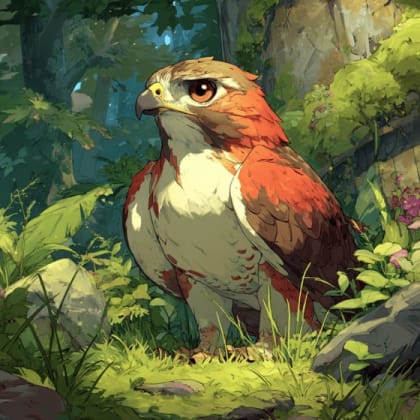




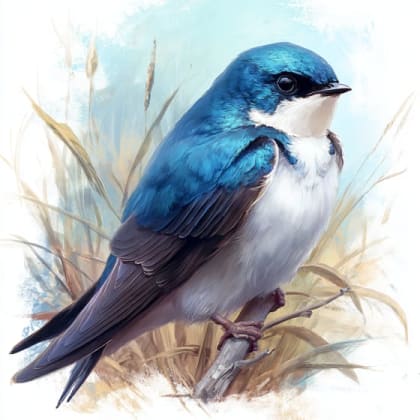




Start with the big picture, then zoom in to explore individual wildlife observations around this place.
Find a Collection Near You
Utilize the American Public Gardens Association's website to search for Nationally Accredited Plant Collections™ by plant type or location.
Check Host Garden Details
Once you've identified a collection, visit the specific public garden's website for their operating hours, admission fees, directions, and any specific visitor guidelines.
Look for PCN Signage
At the host garden, keep an eye out for interpretive signage or specific garden areas indicating "Nationally Accredited Plant Collection™" status to ensure you are viewing a recognized collection.
Engage with Education
Many gardens offer tours, workshops, or educational materials about their accredited collections, providing deeper insights into plant conservation.
Support Public Gardens
Consider becoming a member of a local public garden that participates in the PCN to directly support their conservation and research efforts.
Respect the Plants
Remember these are living collections for conservation and research; follow all garden rules regarding touching plants or staying on designated paths.

Maryland, US
You might spot White-Tailed Deer and Eastern Gray Squirrel.
View guide →
.jpg)
District of Columbia, US
You might spot Eastern Gray Squirrel, Duck, and House Sparrow.
View guide →

Illinois, US
You might spot American Robin, Canada Goose, and House Sparrow.
View guide →

Virginia, US
You might spot Spotted Lanternfly and Northern Cardinal.
View guide →
Take the discovery with you
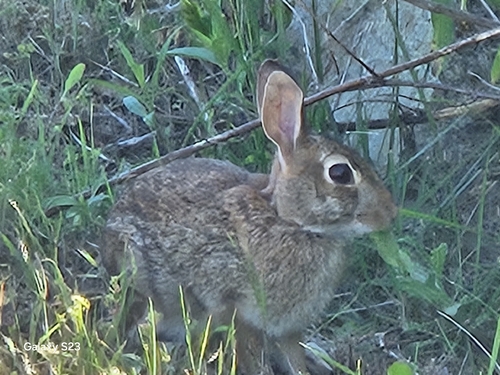
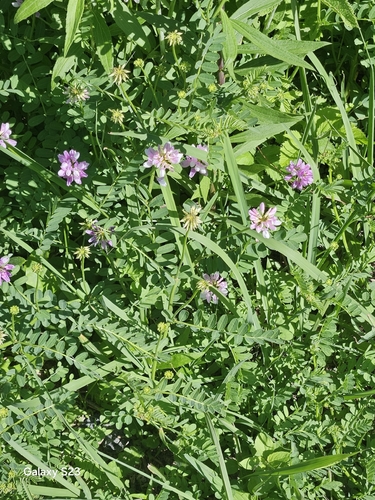
Identify the wildlife you spot, learn as you go, and keep a collection of the adventure.






.jpg&width=800)