





Eastern Gray Squirrel

St. Nicholas Historic District, known as Striver's Row, showcases Harlem's architectural grandeur. This distinguished enclave comprises elegant late 19th-century row houses, representing a unique and meticulously planned urban design concept in Harlem, New York City. It stands as a testament to both architectural ambition and significant social history, offering visitors a glimpse into a pivotal era of the city's development.
The district features three distinct and remarkable architectural styles, each contributing to its cohesive yet varied streetscape. Visitors can admire the stately Georgian Revival style buildings by James Brown Lord on the south side of West 138th Street, characterized by their red brick and brownstone facades. Bruce Price and Clarence S. Luce designed the charming Colonial Revival style homes with yellow brick, white limestone, and terra cotta trim found on the north side of West 138th Street and the south side of West 139th Street. Completing this architectural trifecta are the Italian Renaissance Revival residences by Stanford White of McKim, Mead & White, located on the north side of West 139th Street, notable for their dark brick, brownstone, and intricate terra cotta detailing. A unique feature are the rear alleyways, a rarity in Manhattan, originally intended for discreet service access and still visible today, some bearing "Walk Your Horses" signs.
Exploring St. Nicholas Historic District is more than just an architectural tour; it's a journey through American history and a vibrant cultural experience. The district became a symbol of aspiration and achievement for prominent African Americans, including artists, professionals, and civil rights leaders, earning its colloquial name, "Striver's Row." Its remarkably well-preserved facades and thoughtful urban planning make it an ideal destination for photographers, history buffs, and anyone seeking to immerse themselves in the rich tapestry of Harlem's past and present. Planning to visit? Download the Snappit app to identify the wildlife you spot in real-time.
buffs (especially those interested in Harlem and African American history) * Photographers * Urban explorers and walkers
Walk along West 138th and West 139th Streets between Adam Clayton Powell Jr. Boulevard (Seventh Avenue) and Frederick Douglass Boulevard (Eighth Avenue). Consider taking a guided walking tour to gain deeper historical insights into the residents and the Harlem Renaissance.
Summers can be hot and humid, while winters can be cold. Dress appropriately. The architecture remains visually striking regardless of the weather.
As a city street, the district features paved sidewalks suitable for walking. While there isn't specific mention of enhanced accessibility beyond standard city infrastructure, it is generally navigable for those using wheelchairs or strollers on city sidewalks.
Observe the distinct Georgian Revival, Colonial Revival, and Italian Renaissance Revival styles across the different blocks.
Look for the unique "Walk Your Horses" signs on the gated alleyways, a rare feature in Manhattan that speaks to the original design for service access.
Pay attention to the intricate brickwork, brownstone, terra cotta trim, and limestone accents that adorn the buildings.
Absorb the overall atmosphere of a preserved late 19th-century urban streetscape.
Each card links to a full Explore page with photos, traits, and fun facts.
Start with the big picture, then zoom in to explore individual wildlife observations around this place.
Wear comfortable walking shoes
Exploring the district involves walking several blocks to fully appreciate the architecture.
Bring a camera
The diverse architectural styles and intricate details provide excellent photographic opportunities.
Visit during daylight
Natural light best highlights the facades and details of the row houses.
Look for the unique alley gates
Seek out the gated alleyways between the houses, some of which still bear the historic "Walk Your Horses" signs.
Respect residents' privacy
Remember that these are private homes, so be mindful and respectful of the residents.
Combine with other Harlem attractions
The St. Nicholas Historic District is close to other significant sites in Harlem, making it easy to include in a broader tour of the neighborhood.
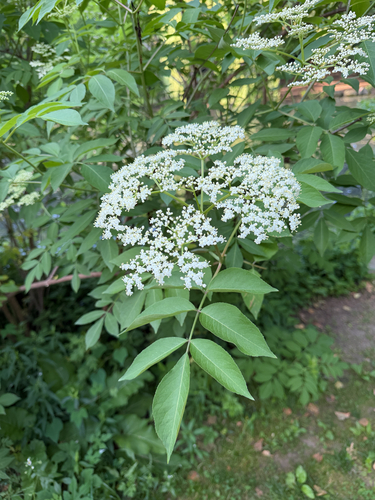
Jun 6, 2026
Photo attribution
(c) betsyyyy, some rights reserved (CC BY)
License: CC BY 4.0 ↗
Image may be shown cropped inside the card frame.
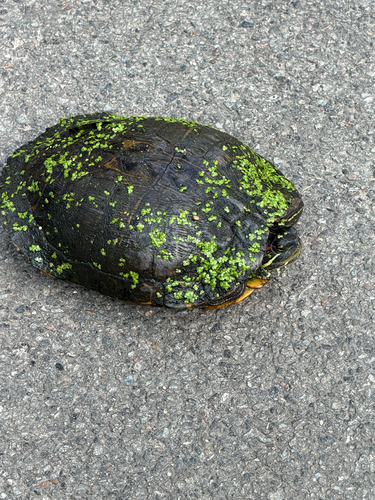
Jun 6, 2026
Photo attribution
(c) betsyyyy, some rights reserved (CC BY)
License: CC BY 4.0 ↗
Image may be shown cropped inside the card frame.
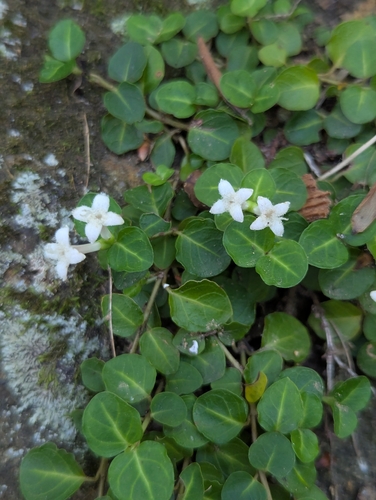
Jun 5, 2026
Photo attribution
(c) Zihao Wang, some rights reserved (CC BY)
License: CC BY 4.0 ↗
Image may be shown cropped inside the card frame.
Jun 6, 2026
Jun 6, 2026

Maryland, US
You might spot White-Tailed Deer and Eastern Gray Squirrel.
View guide →
.jpg)
District of Columbia, US
You might spot Eastern Gray Squirrel, Duck, and House Sparrow.
View guide →

Illinois, US
You might spot American Robin, Canada Goose, and House Sparrow.
View guide →

Virginia, US
You might spot Spotted Lanternfly and Northern Cardinal.
View guide →
Take the discovery with you
Identify the wildlife you spot, learn as you go, and keep a collection of the adventure.






















.jpg&width=800)

