





Crackling Forest Grasshopper
Trimerotropis verruculata
The Crackling Forest Grasshopper is a small, lively insect that loves to hop around in grassy areas. Its special crackling sound helps it communicate with other grasshoppers and find friends.
Habitat: Grasslands
The Crackling Forest Grasshopper has a mottled gray-brown body, often with olive or yellowish tints, making it blend perfectly with forest floors and bark. Its hind wings are a striking bright yellow with a dark black band, visible only when it takes flight, and its textured body surface helps it hide.
Category
InsectsRarity
Common
Danger
1/5 · Very low
Snaps
1
Each species of grasshopper has a unique 'song' or crackle to attract a mate!
Its 'ears' are tiny slits located on its belly, not on its head!
Some grasshoppers can migrate for hundreds of miles, like tiny flying explorers!
They are like little solar panels, often basking in the sun to warm up their bodies!
Crackling Forest Grasshopper can create a crackling sound by rubbing its wings together that helps it surprise or warn off predators during flight.
Crackling Forest Grasshopper has powerful back legs that help it leap long distances to escape danger or navigate dense vegetation.
Crackling Forest Grasshopper has a patterned body coloration that helps it blend seamlessly into rocky or bark-covered forest environments.
This grasshopper munches on leaves, grasses, and other forest plants.
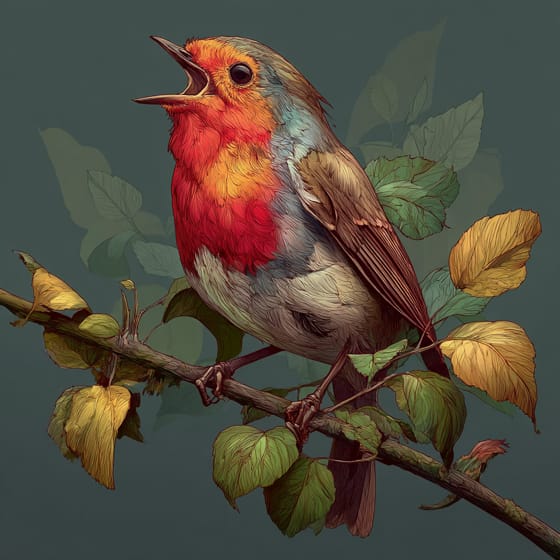
Turdus migratorius
A common bird predator in its habitat.
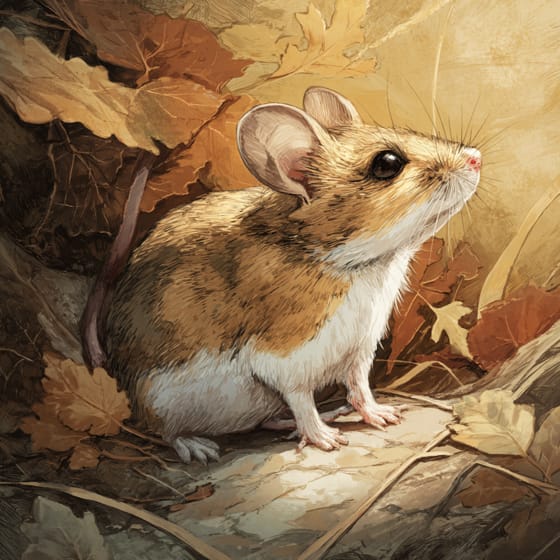
Peromyscus maniculatus
Small mammals often prey on ground-dwelling insects.
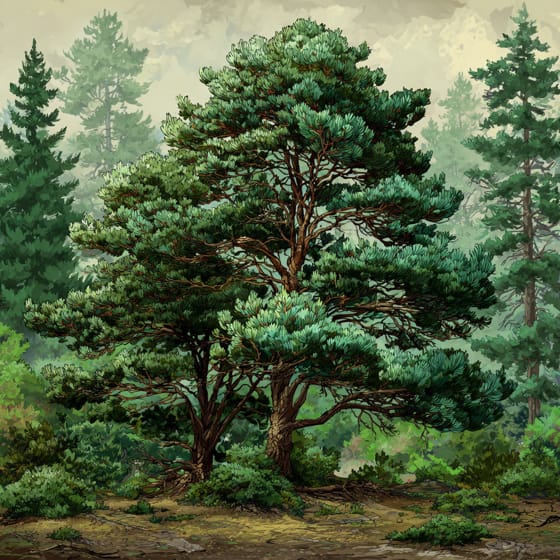
Pinus strobus
Feeds on the needles of various conifer trees.
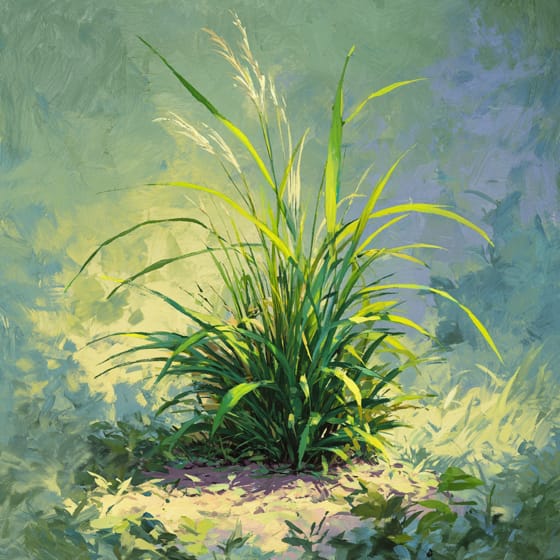
Poa pratensis
Grazes on a variety of common forest grasses.
Social animals live in organized groups, cooperating for survival benefits such as foraging, defense, and raising offspring.
Singing animals produce complex vocalizations, often for purposes of attracting mates, defending territory, or communicating within their species.
Camouflaged describes organisms that possess coloring or patterns that allow them to blend into their environment.
Colorful describes organisms or objects displaying a wide range of bright and distinct colors.

Grassland habitats are terrestrial biomes dominated by grasses and herbaceous plants, supporting a variety of grazing animals.

This trait characterizes organisms whose diet consists entirely or primarily of plant material.

Diurnal animals are primarily active during daylight hours, typically resting or sleeping at night.

This trait identifies organisms that exhibit exceptional swiftness in movement for hunting, escape, or travel.
No aliases listed yet.
Danger
1/5 · Very low
Grasshoppers are safe to observe, but be gentle if you try to catch one.
The easiest way to identify Crackling Forest Grasshopper is to use the Snappit nature identifier app.
35-60 mm
20-40 mm
60-120 days
7 km/h
This grasshopper munches on leaves, grasses, and other forest plants.
Grasslands
Foraging
Zoom in to split clusters and explore where this object has been snapped.
Take the discovery with you
Snap it with Snappit to identify it, learn what makes it special, and add the discovery to your collection.







.jpg&width=800)



