





cream cinquefoil
Drymocallis convallaria
The cream cinquefoil is a lovely flower with bright yellow petals. It grows in many places and is often found in fields and gardens, adding beauty to nature.
Habitat: Grasslands
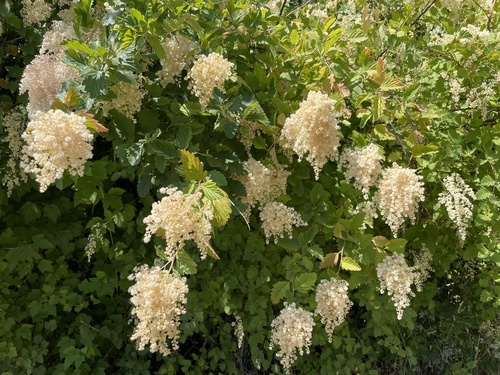
The cream cinquefoil has slender, erect stems topped with clusters of small, five-petaled flowers that are a delicate creamy-yellow. Its green leaves are palmate, typically divided into five to seven oval leaflets, often covered in soft, fuzzy hairs.
Category
PlantsRarity
Common
Danger
1/5 · Very low
Snaps
Be the first to snap!
Despite its delicate flowers, this tough plant loves growing in challenging, stony ground.
It's a cousin to strawberries, but you won't find any sweet berries on this plant!
Its scientific name means 'lily-of-the-valley-like dry beauty,' which is quite a mouthful!
The leaves are often described as shaped like tiny hands because of their five leaflets!
Cream cinquefoil can thrive in dry, rocky soils that many plants avoid, helping it survive harsh conditions.
Its creamy-yellow flowers attract diverse insects like bees and butterflies, helping it reproduce effectively.
This plant spreads with underground rhizomes, helping it form robust clumps and colonize new ground.
Bombus vosnesenskii
Collects nectar and pollen from its flowers

Vanessa cardui
Feeds on nectar, aiding flower reproduction

Odocoileus hemionus
Browses on its leaves and tender stems
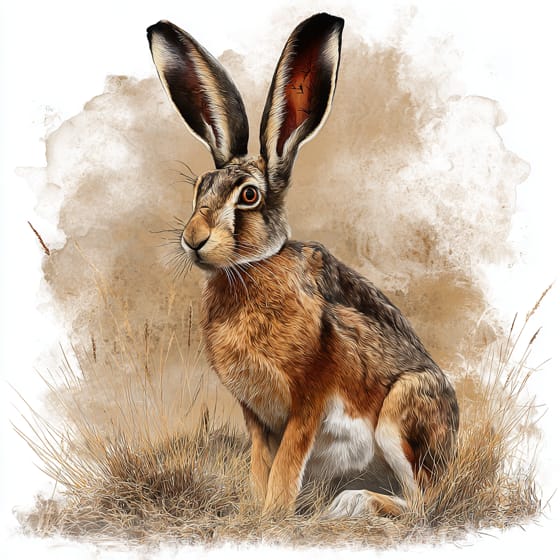
Lepus californicus
Graze on its foliage, especially young plants
Flowering plants are any plants that produce flowers as part of their reproductive cycle.
Ornamental plants are cultivated primarily for their aesthetic appeal, enhancing landscapes and gardens with their attractive foliage, flowers, or form.
Summer blooming plants produce their flowers during the summer season, often providing vibrant color when many other plants have finished.
Fragrant flowers emit a pleasant aroma, often to attract pollinators or for defense.

Grassland habitats are terrestrial biomes dominated by grasses and herbaceous plants, supporting a variety of grazing animals.

Describes plants that are particularly attractive and beneficial to a wide range of pollinating organisms.
No aliases listed yet.
Danger
1/5 · Very low
Always look but don't pick flowers unless you have permission.
The easiest way to identify cream cinquefoil is to use the Snappit nature identifier app.
20-60 cm
20-40 cm
1-2.5 cm
Late spring to summer
No
None
Perennial
Zoom in to split clusters and explore where this object has been snapped.
Recent snaps will appear here as new observations are added.
Take the discovery with you
Snap it with Snappit to identify it, learn what makes it special, and add the discovery to your collection.








.jpg&width=800)


_001.jpg&width=800)




