





Creeping Saltbush
Atriplex prostrata
Creeping Saltbush is a low-growing plant that loves salty places! It has thick, green leaves and can spread out like a cozy blanket on the ground.
Habitat: Coastal areas
The Creeping Saltbush has slender stems that spread low to the ground, forming dense mats. Its small, triangular leaves are often covered in a silvery-white, scaly coating, giving them a frosted look. These leaves can sometimes blush reddish-purple, especially in drier or salty conditions.
Category
PlantsRarity
Common
Danger
1/5 · Very low
Snaps
3
Creeping Saltbush changes leaf color, often becoming red or purple when stressed by cold or drought!
Even though it loves salt, some types of saltbush are eaten by farm animals.
Its leaves sometimes look like they're sprinkled with sugar, but that's actually tiny salt crystals it pushes out!
The ancient Greeks and Romans might have eaten saltbush leaves as a vegetable.
This plant has thick, succulent-like leaves and a scaly coating that helps it store water and reduce evaporation in dry places.
With its spreading stems and roots, Creeping Saltbush helps hold loose soil in place, stopping erosion in challenging environments.
Sminthurus viridis
Feeds on the leaves of various Atriplex species.
Crocidosema plebejana
Larvae feed on leaves and stems of many chenopods, including Atriplex.
Anas platyrhynchos
May consume seeds if growing near wetland habitats.
Flowering plants are any plants that produce flowers as part of their reproductive cycle.
A shrub is a woody plant smaller than a tree, typically with multiple stems branching from or near the ground.
Evergreen plants retain their foliage throughout the year, never shedding all their leaves at once.
Salt tolerant plants can withstand and grow in conditions with elevated salinity levels in the soil or water.

Drought-tolerant plants can survive and flourish in conditions with limited water availability.

Desert habitats are arid regions characterized by extremely low precipitation and often extreme temperatures, supporting specialized flora and fauna.

Coastal habitats are dynamic environments located along the interface between land and sea, influenced by tides, waves, and saltwater.

Describes a species whose presence and role have a disproportionately large effect on its environment.
No aliases listed yet.
Danger
1/5 · Very low
Always look but don't touch plants unless you know they're safe!
The easiest way to identify Creeping Saltbush is to use the Snappit nature identifier app.
10-50 cm
30-150 cm
0.1-0.2 cm
Summer to Fall
Yes
None
Perennial
Zoom in to split clusters and explore where this object has been snapped.
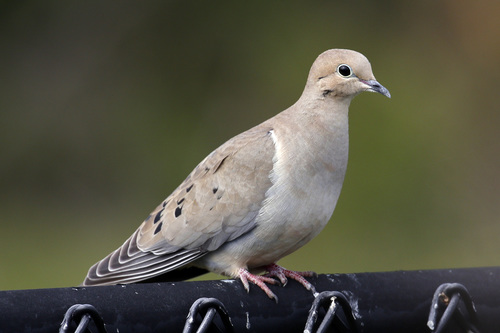
South Dakota, US
You might spot Mourning Dove, Vulture, and Woodhouse's Toad.
View guide →

California, US
You might spot Great Egret, Snowy Egret, and Savannah Sparrow.
View guide →
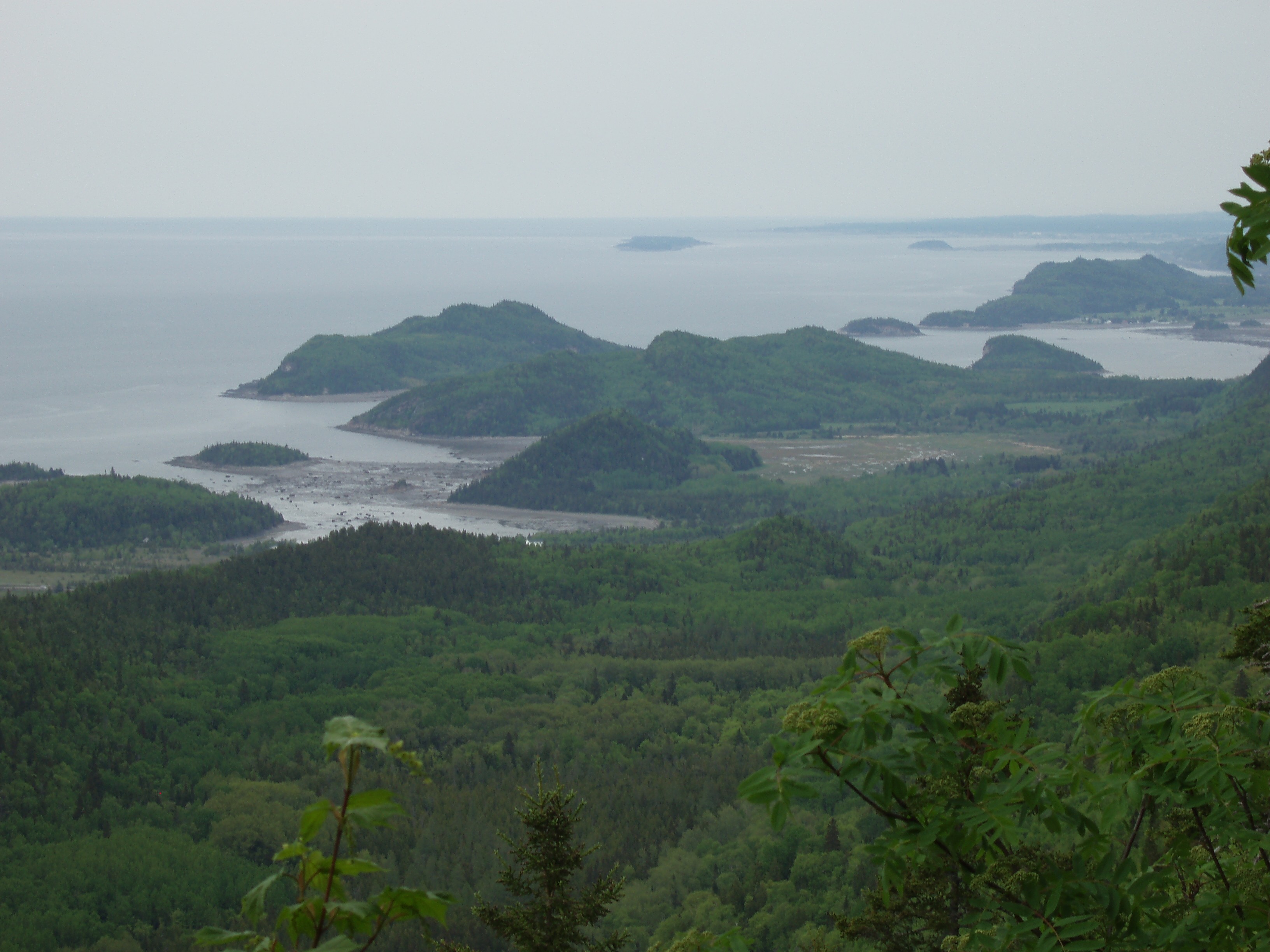
Québec, CA
You might spot White-Tailed Deer, Harbor Seal, and Common Eider.
View guide →
Take the discovery with you
Snap it with Snappit to identify it, learn what makes it special, and add the discovery to your collection.








.jpg&width=800)



_001.jpg&width=800)



