Duck

San Elijo Lagoon is a vibrant coastal wetland ecosystem in Southern California.
San Elijo Lagoon is a vibrant coastal wetland ecosystem in Southern California. This nearly 1,000-acre ecological reserve is one of San Diego's largest remaining coastal wetlands, offering an unparalleled opportunity to connect with nature where freshwater creeks meet the Pacific Ocean. Visitors can explore diverse habitats, from salt marshes to coastal sage scrub, that teem with life.
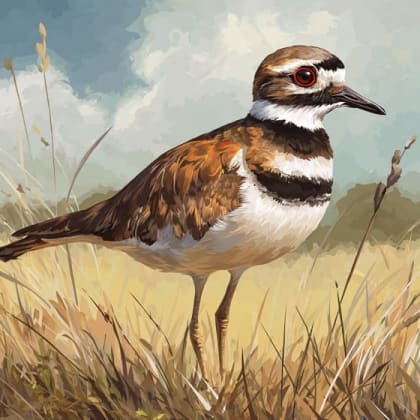
The lagoon is a critical stop along the Pacific Flyway, making it a birdwatcher's paradise with over 300 bird species recorded, including many threatened and endangered birds like the California Least Tern, Western Snowy Plover, and Ridgway's Rail. Beyond its avian residents, the reserve supports a rich diversity of plants, fish, mammals, reptiles, and amphibians, all adapted to this unique estuarine environment. The LEED Platinum-certified Nature Center provides engaging exhibits about the lagoon's history and ecology, and offers a fantastic second-floor observation deck with panoramic views of the lagoon and ocean.
Visiting San Elijo Lagoon is an enriching experience, whether you're seeking a peaceful hike, a chance for wildlife photography, or educational family fun. With miles of trails, including the adventurous Annie's Canyon, and interactive programs, the lagoon invites visitors of all ages to discover the beauty and importance of coastal wetlands. It's a testament to successful conservation efforts, providing a natural oasis that is both inspiring and vital for regional biodiversity. Planning to visit? Download the Snappit app to identify the wildlife you spot in real-time.
San Elijo Lagoon was formally dedicated as a county park and state ecological reserve in 1983. However, its history of human impact dates back to the 1800s when settlement and farming began to modify the lower Escondido Creek area. Between 1934 and 1973, the lagoon faced significant pollution from sewage discharge, and from 1937 to 1971, dikes and levees were constructed for duck hunting ponds, some of which are still visible today. Significant restoration efforts have been undertaken, largely driven by organizations like the Nature Collective (formerly San Elijo Lagoon Conservancy), which has been working since 1987 to restore, monitor, and manage the ecosystem. A major restoration project, "Reviving Your Wetlands," improved tidal circulation, enhanced wetland habitats, and created new trail connections, ensuring the lagoon's health and adaptability to future challenges like sea-level rise. These efforts involve removing invasive species, replanting native vegetation, and continually monitoring the environment to protect its rich biodiversity.
Hike over 7 miles of trails, ranging from easy to strenuous, passing through diverse habitats.
* Explore the Nature Center's educational displays about the lagoon's ecosystem, conservation, and native species.
* Participate in "Nature Treasure Hunts" for kids, available anytime at the Nature Center.
* Look for striped mullet jumping out of the water, Western Fence Lizards basking in the sun, and elusive mule deer.
* Attend seasonal events, guided nature walks, and family fun days.
Fall/Winter: Peak season for migratory birds, offering excellent birdwatching opportunities.
Spring: Wildflowers are abundant along trails, especially near the Rios Ave East entrance.
Weather: Be aware that trails can be muddy or flooded after rain; check with park rangers. There is little shade on many trails, so prepare for sun.
The Nature Center is LEED Platinum-certified, designed with energy efficiency and natural resources in mind. It offers restrooms, water fountains, and balcony-view seating. The Nature Center Loop Trail is a 0.75-mile ADA-accessible path, suitable for strollers and wheelchairs, with flat, wide, and even terrain. The Nature Center itself is accessible by elevator, including an upstairs room with an outdoor deck.
Features interactive exhibits, live animal displays, cultural and historical information, and a second-floor observation deck with stunning lagoon and ocean views.
A moderate to strenuous 0.25-mile slot canyon hike known for its narrow, winding sandstone walls and unique photographic opportunities.
A 0.75-mile ADA-accessible double-loop trail perfect for easy walks, stroller access, and birdwatching close to the Nature Center.
The entire reserve is a prime spot for observing a vast array of shorebirds, waterfowl, and raptors.
Each card links to a full Explore page with photos, traits, and fun facts.
Start with the big picture, then zoom in to explore individual wildlife observations around this place.
Check Trail Conditions
Before visiting, especially after rain, check the San Elijo Lagoon Conservancy website or call the Nature Center for current trail conditions and any closures, as some areas can become muddy or flooded.
Bring Binoculars and a Camera
With over 300 bird species and diverse wildlife, binoculars will enhance your viewing experience, and a camera is essential for capturing the scenic beauty and unique creatures.
Dress for the Sun
Most trails at the lagoon offer little shade. Wear sunscreen, a hat, and sunglasses, and bring plenty of water, especially during warmer months.
Visit the Nature Center First
Start your visit at the LEED Platinum-certified Nature Center to pick up a detailed trail map, learn about the reserve's ecology through interactive exhibits, and get tips from rangers.
Explore Annie's Canyon Trail
If you're up for a moderate to strenuous adventure, don't miss the unique slot canyon of Annie's Canyon. Be aware of its narrow passages and ladder-style stairs.
Respect Wildlife and Stay on Trails
To protect the fragile ecosystem and its inhabitants, stay on marked trails, keep dogs leashed where permitted, and avoid disturbing plants or animals.
Jun 6, 2026
May 31, 2026
May 29, 2026
May 27, 2026
May 25, 2026

Maryland, US
You might spot White-Tailed Deer and Eastern Gray Squirrel.
View guide →
.jpg)
District of Columbia, US
You might spot Eastern Gray Squirrel, Duck, and House Sparrow.
View guide →

Illinois, US
You might spot American Robin, Canada Goose, and House Sparrow.
View guide →

Virginia, US
You might spot Spotted Lanternfly and Northern Cardinal.
View guide →
Take the discovery with you
Identify the wildlife you spot, learn as you go, and keep a collection of the adventure.