





Crepe Jasmine
tabernaemontana divaricata
The Crepe Jasmine is a beautiful flowering plant that has shiny green leaves and lovely white flowers. It often grows in gardens and can make any space look magical!
Habitat: Crepe Jasmine is commonly found in tropical and subtropical regions, often in gardens and parks.
The Crepe Jasmine is a tropical evergreen shrub known for its glossy, dark green leaves. It has pristine white, star-shaped flowers with five petals that swirl like tiny pinwheels, making it visually distinct from true jasmine vines.
Category
PlantsRarity
Common
Danger
1/5 · Very low
Snaps
Be the first to snap!
It's a cousin to the colorful Frangipani flowers.
Its milky sap can seal cuts in the plant!
Its petals twist like a tiny pinwheel!
The white flowers glow subtly at night.
Crepe Jasmine flowers release a sweet fragrance at night, which helps it attract nocturnal moths for pollination.
Crepe Jasmine has a milky white sap that helps it seal wounds and deters herbivores from munching on its leaves.
Crepe Jasmine can produce flowers almost continuously in warm climates, helping it maximize its chances for reproduction.
Apis mellifera
visits flowers for nectar
Manduca sexta
attracted to night fragrance
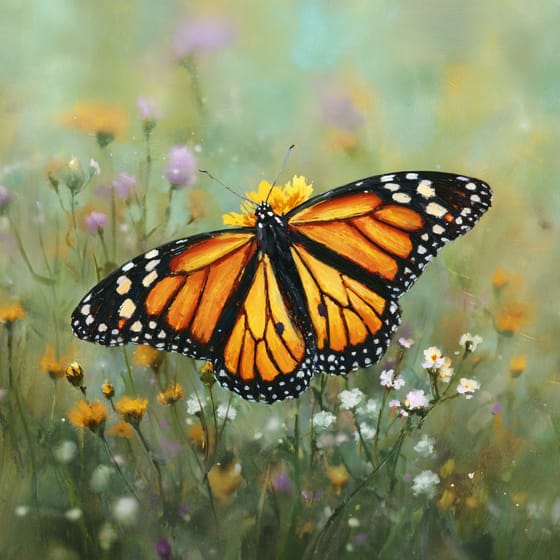
Danaus plexippus
sips nectar during the day
Colorful describes organisms or objects displaying a wide range of bright and distinct colors.
This trait characterizes organisms whose diet consists entirely or primarily of plant material.
Forest habitats are terrestrial environments dominated by dense tree cover, supporting a high diversity of plant and animal life.
Diurnal animals are primarily active during daylight hours, typically resting or sleeping at night.

Describes organisms that transfer pollen, enabling the fertilization and reproduction of plants.
Danger
1/5 · Very low
Always check with an adult before touching or picking any plants.
The easiest way to identify Crepe Jasmine is to use the Snappit nature identifier app.
150-300 cm
100-250 cm
3-5 cm
Spring to Fall
No
Mild
Perennial
Zoom in to split clusters and explore where this object has been snapped.
Recent snaps will appear here as new observations are added.
Take the discovery with you
Snap it with Snappit to identify it, learn what makes it special, and add the discovery to your collection.








.jpg&width=800)



_001.jpg&width=800)




