





Crocodilia
Crocodilia
Crocodiles are large reptiles that live in water and on land. They have strong jaws and can stay underwater for a long time. They are amazing hunters and can be found in rivers and swamps!
Habitat: Wetlands
The Crocodilia has a broad, flattened body with armored scales in shades of grey, green, or brown. Their powerful, muscular tail helps with swimming, and their eyes and nostrils are positioned on top of their head, allowing them to hide mostly submerged.
Category
ReptilesRarity
Common
Danger
5/5 · Extreme
Snaps
Be the first to snap!
Crocodilian mothers fiercely protect their babies, sometimes in their mouths!
Crocodilians can regrow lost teeth many times throughout their lives!
Some crocodilians can leap out of the water to catch flying prey!
They swallow stones to help them dive deeper and digest their food!
Crocodilia can deliver one of the strongest bites in the animal kingdom because of powerful jaw muscles that help them capture large prey.
Crocodilia has a clear third eyelid (nictitating membrane) that helps them see underwater while protecting their eyes.
Crocodilia has nostrils on top of their snout that helps them breathe while almost entirely submerged.
Crocodilia has a special throat flap that helps them open their mouth underwater without swallowing water.
These powerful predators eat mostly meat, from fish to mammals, using their strong jaws to catch food.
Age differences: Young Crocodilia eat insects and small fish, while adults hunt larger prey like deer and wildebeest.
Oreochromis niloticus
A common fish prey for many crocodilians.
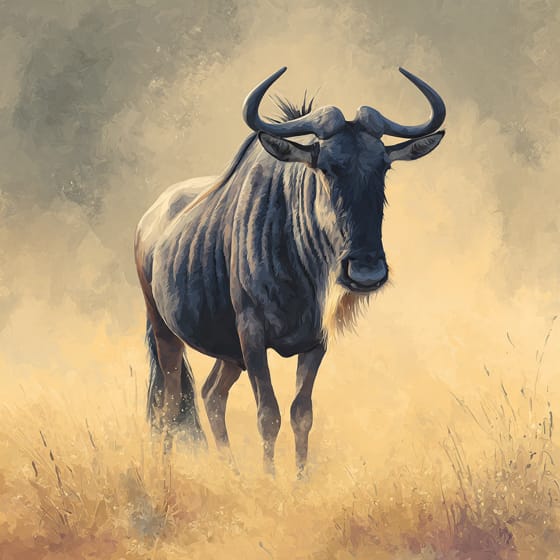
Connochaetes taurinus
Large crocodilians ambush migrating herds at river crossings.

Homo sapiens
Hunted for skin and meat, often due to conflict.
Panthera leo
Sometimes preys on young or vulnerable crocodilians.
Solitary animals live alone for most of their lives, only interacting with others for mating or parental care.
An ambush predator hunts by patiently waiting and concealing itself, then launching a sudden attack when unsuspecting prey comes within range.
This habitat trait identifies species found in wetlands, which are areas of land saturated with water, either permanently or seasonally, including marshes, swamps, and bogs.
Armored describes animals protected by a hard, external covering or shell for defense.

This trait identifies organisms whose diet consists entirely or primarily of animal tissue.

Freshwater habitats include non-saline aquatic environments such as rivers, lakes, ponds, and wetlands, vital for numerous species.

Describes a species whose presence and role have a disproportionately large effect on its environment.

This trait identifies organisms that exhibit exceptional swiftness in movement for hunting, escape, or travel.

Giant describes organisms or objects of significantly larger size than average for their species or type.

Endangered status indicates a species is at a very high risk of extinction in the wild in the near future.
Danger
5/5 · Extreme
Keep a safe distance from crocodiles, as they can be very dangerous.
The easiest way to identify Crocodilia is to use the Snappit nature identifier app.
150-700 cm
6-1000 kg
30-70 years
14 km/h
These powerful predators eat mostly meat, from fish to mammals, using their strong jaws to catch food.
20 km/h
Wetlands
Zoom in to split clusters and explore where this object has been snapped.
Recent snaps will appear here as new observations are added.
Take the discovery with you
Snap it with Snappit to identify it, learn what makes it special, and add the discovery to your collection.
















