





European Serin
Serinus serinus
The European Serin is a small, cheerful bird with a bright yellow color. They love to sing sweet songs and can often be seen flitting around gardens and parks.
Habitat: Urban areas
The European Serin is a tiny, bright yellow-green finch, with males sporting a vibrant yellow face and breast. It has a streaked back and flanks, a conical bill, and a noticeably short, forked tail. Its small size and bold yellow markings make it distinct.
Category
BirdsRarity
Common
Danger
1/5 · Very low
Snaps
Be the first to snap!
Its song sounds like a tiny bicycle bell ringing rapidly!
Serins often feed upside down to reach seeds on plant stalks.
They use spiderwebs to weave their cozy, cup-shaped nests.
Young serins are fed insects, but quickly switch to a seed diet.
European Serin has a strong conical bill that helps them easily crack open tough seeds to get to the nutritious inside.
European Serin can produce a high-pitched, rattling song because of its specialized vocal cords that helps them attract mates.
European Serin can fly with quick, undulating movements because of its small wings and lightweight body that helps them dodge predators.
Tiny seeds from weeds and plants are its favorite meal, with insects for its growing chicks.
Age differences: Chicks are fed small insects like aphids and caterpillars, then transition to an adult seed diet.

Accipiter nisus
A common predator of small passerine birds.
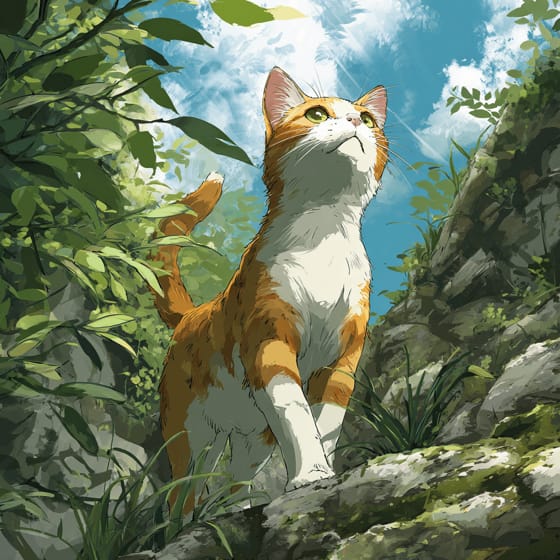
Felis catus
Opportunistic predator in gardens and parks.

Taraxacum officinale
Relies on its abundant seeds for food.

Cirsium arvense
Feeds heavily on the seeds of this plant.
Feathered describes animals, primarily birds, possessing a covering of feathers.
Social animals live in organized groups, cooperating for survival benefits such as foraging, defense, and raising offspring.
Singing animals produce complex vocalizations, often for purposes of attracting mates, defending territory, or communicating within their species.
Colorful describes organisms or objects displaying a wide range of bright and distinct colors.

This trait characterizes organisms whose diet consists entirely or primarily of plant material.

Diurnal animals are primarily active during daylight hours, typically resting or sleeping at night.

This habitat trait indicates species that can coexist with humans in urban and suburban environments, utilizing man-made structures and green spaces.
No aliases listed yet.
Danger
1/5 · Very low
Enjoy watching birds, but remember not to disturb their nests.
The easiest way to identify European Serin is to use the Snappit nature identifier app.
11-12 cm
18-20 cm
0.0085-0.014 kg
2-5 years
45 km/h
Tiny seeds from weeds and plants are its favorite meal, with insects for its growing chicks.
Urban areas
Zoom in to split clusters and explore where this object has been snapped.
Recent snaps will appear here as new observations are added.
Take the discovery with you
Snap it with Snappit to identify it, learn what makes it special, and add the discovery to your collection.




.jpg&width=800)







