





common fig
Ficus carica
The common fig is a sweet fruit that grows on trees. Its leaves are big and green, and the fruit can be purple, green, or yellow. Figs are tasty and can be eaten fresh or dried!
Habitat: Urban areas, gardens
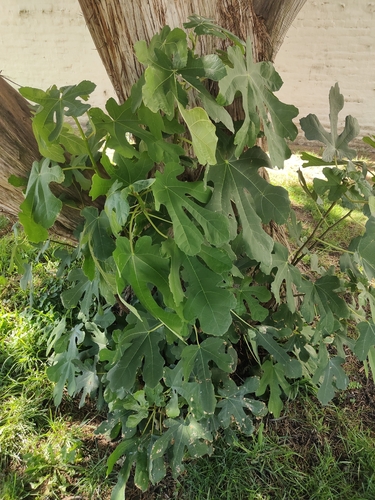
The common fig is a small tree or large shrub with broad, deeply lobed green leaves. Its distinctive pear-shaped fruit starts green, ripening to purple-brown, with a soft, juicy reddish interior and tiny seeds.
Category
PlantsRarity
Common
Danger
1/5 · Very low
Snaps
2
A common fig tree can live for over 100 years, growing stronger and more productive with age!
Ancient Olympic athletes ate figs for energy, calling them 'food of champions'!
Each delicious fig contains countless tiny seeds, each from a different pollinated 'flower'!
The 'fruit' you eat is actually an inside-out cluster of hundreds of tiny flowers!
The common fig has its hundreds of tiny flowers hidden inside the fruit, which protects them until they're ready to be pollinated.
The common fig needs a tiny fig wasp to enter the fruit and pollinate its hidden flowers, helping it reproduce.
The common fig produces a milky latex sap when damaged, which helps it heal and deters pests from eating its leaves.
Blastophaga psenes
Essential for the fig's reproduction and seed formation.
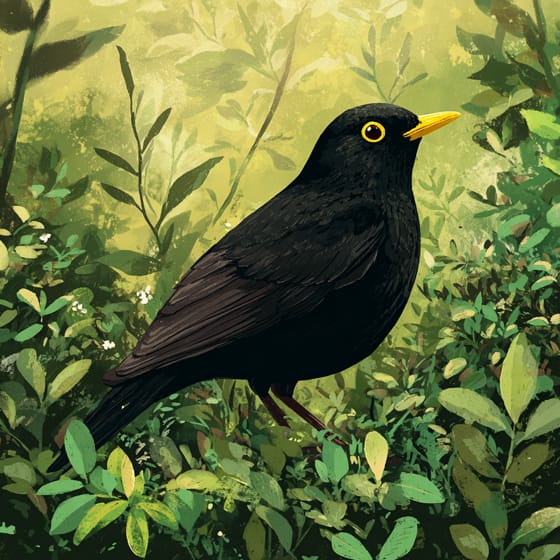
Turdus merula
Feeds on ripe figs, helping to disperse its numerous seeds.

Homo sapiens
Cultivated for millennia for its sweet, nutritious fruit.
Ceratitis capitata
Larvae develop inside the fruit, causing damage to crops.
Deciduous plants periodically shed all their leaves, typically during autumn or dry seasons.
Broadleaf trees are angiosperms characterized by flat, wide leaves that are typically shed annually in temperate climates.
Fruit-bearing plants produce fruits, which are the mature ovaries of flowering plants containing seeds.
Medicinal plants possess chemical compounds that can be used for therapeutic purposes to treat illnesses or maintain health.

A fruit tree is a perennial tree that produces fruit, which is edible to humans or animals.

Edible plants are those parts of a plant that are considered safe for human consumption.

Describes plants that are particularly attractive and beneficial to a wide range of pollinating organisms.

This trait signifies organisms belonging to a very old evolutionary group with ancestors dating back millions of years.

This habitat trait indicates species that can coexist with humans in urban and suburban environments, utilizing man-made structures and green spaces.
Danger
1/5 · Very low
Always wash your hands after touching plants and ask an adult before eating any fruits.
The easiest way to identify common fig is to use the Snappit nature identifier app.
300-1000 cm
300-800 cm
Yes
None
Perennial
Insect
Urban areas, gardens
Zoom in to split clusters and explore where this object has been snapped.
Jun 3, 2026
California State CapitolPhoto attribution
(c) jamie bee, some rights reserved (CC BY)
License: CC BY 4.0 ↗
Image may be shown cropped inside the card frame.

Florida, US
You might spot Gorilla and Reticulated Giraffe.
View guide →

California, US
You might spot African Lion, Red Panda, and Giraffes.
View guide →

California, US
You might spot Horse-Fly Carpenter Bee and Anna's Hummingbird.
View guide →

California, US
You might spot Horse-Fly Carpenter Bee and Anna's Hummingbird.
View guide →
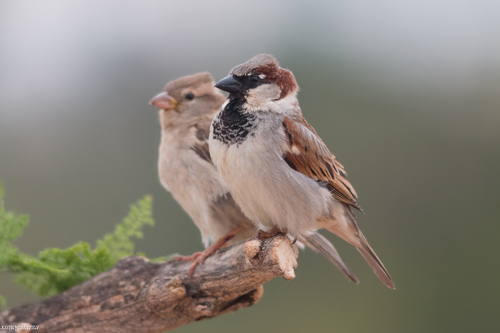
New York, US
You might spot House Sparrow, Paulownia, and Rock Pigeon.
View guide →
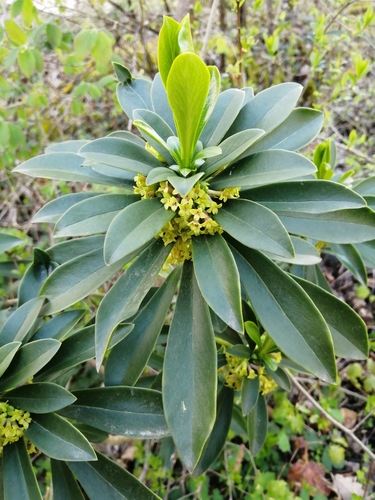
British Columbia, CA
You might spot Spurge-Laurel and Common Wall Lizard.
View guide →
Take the discovery with you
Snap it with Snappit to identify it, learn what makes it special, and add the discovery to your collection.








.jpg&width=800)


_001.jpg&width=800)



