





cutleaf teasel
Dipsacus laciniatus
Cutleaf teasel is a tall plant with spiky leaves and beautiful purple flowers. It grows in sunny places and can attract many butterflies and bees!
Habitat: Grasslands
The cutleaf teasel is a tall, sturdy plant with a stem covered in sharp thorns. Its deeply lobed, "cut" leaves form cups that collect water, and its pale purple-white flowers bloom in egg-shaped heads, surrounded by long, curving bracts.
Category
PlantsRarity
Common
Danger
2/5 · Low
Snaps
4
Its spiky leaves form mini "cups" that collect rainwater, like tiny bird baths!
Long ago, its dried heads brushed wool, working like a giant, natural comb!
The scientific name "Dipsacus" means "thirst," named for its water-holding leaves!
This tall plant can grow over 8 feet high, much taller than a grown-up!
Cutleaf teasel has cup-like leaf bases that collect rainwater, giving it a handy drink in dry times.
This plant is covered in sharp spines, protecting it from hungry animals trying to eat its leaves.
Its bristly seed heads can cling to animal fur or clothes, helping its seeds travel far and wide.
Apis mellifera
visits flowers for nectar and pollen.
Vanessa cardui
sips sweet nectar from its many tiny flowers.
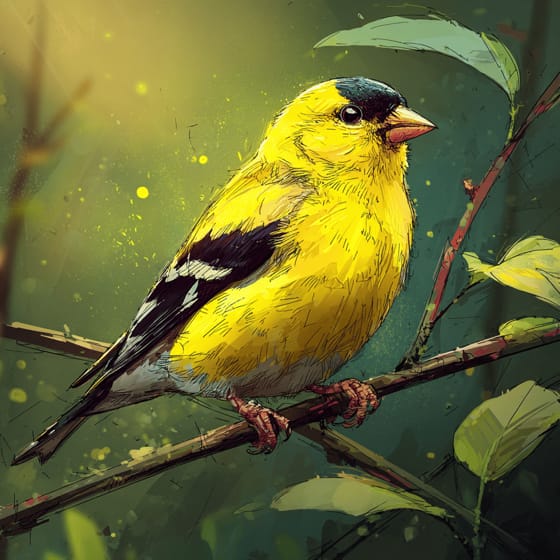
Spinus tristis
eats dried seeds during winter.
Flowering plants are any plants that produce flowers as part of their reproductive cycle.
Biennial plants complete their life cycle over two growing seasons, typically forming foliage in the first year and flowering/seeding in the second.
Summer blooming plants produce their flowers during the summer season, often providing vibrant color when many other plants have finished.
Grassland habitats are terrestrial biomes dominated by grasses and herbaceous plants, supporting a variety of grazing animals.

Describes plants that are particularly attractive and beneficial to a wide range of pollinating organisms.

Possessing sharp, pointed projections or spines on the body or surface.

Describes organisms that transfer pollen, enabling the fertilization and reproduction of plants.
No aliases listed yet.
Danger
2/5 · Low
Don't touch the spiky parts of the plant, as they can be sharp!
The easiest way to identify cutleaf teasel is to use the Snappit nature identifier app.
100-250 cm
30-60 cm
4-10 cm
Summer
No
None
Biennial
Zoom in to split clusters and explore where this object has been snapped.

Wisconsin, US
You might spot Turkey, White-Tailed Deer, and Dame's Rocket.
View guide →

Illinois, US
You might spot Osage-Orange, Cutleaf Teasel, and Red Clover.
View guide →

New Jersey, US
You might spot White-Tailed Deer and Great Blue Heron.
View guide →

Ohio, US
You might spot Monarch, Eastern Carpenter Bee, and Bee.
View guide →

Kentucky, US
You might spot Canada Goose, Common Wall Lizard, and Monarch.
View guide →

New York, US
You might spot Golden Oyster Mushroom and Common Milkweed.
View guide →
Take the discovery with you
Snap it with Snappit to identify it, learn what makes it special, and add the discovery to your collection.








.jpg&width=800)



_001.jpg&width=800)




