





Silky Dogwood
cornus amomum
The Silky Dogwood is a beautiful plant with soft, silky leaves that look like they are glowing in the sun. Its branches are perfect for birds to perch on and enjoy the view!
Habitat: Wetlands, swamps, and along riverbanks.
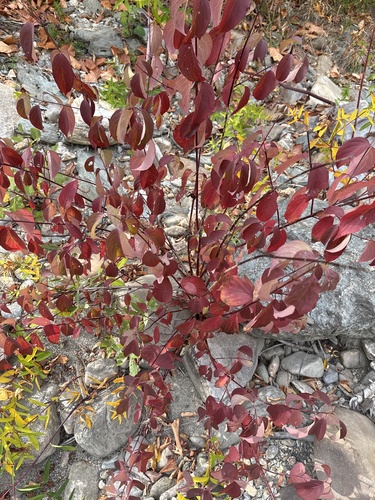
The Silky Dogwood has distinctive reddish-purple stems, especially vibrant in winter, and produces clusters of small, creamy-white flowers in late spring. Its lance-shaped leaves are dark green, often turning dull reddish-purple in autumn, complementing its striking blue berries.
Category
PlantsRarity
Common
Danger
0/5 · No known danger
Snaps
12
If you gently break a Silky Dogwood leaf, you might see tiny, silky threads connecting the halves!
Native Americans historically used parts of this plant for medicinal purposes, like treating fevers.
Silky Dogwood berries are a favorite snack for at least 90 different bird species!
The name "dogwood" might come from "dag," meaning skewer, for its hard wood!
Silky Dogwood can stabilize stream banks with its extensive root system, helping prevent erosion and protect delicate habitats.
This plant grows vibrant blue berries in late summer, providing a crucial food source for many bird species and small mammals.
Silky Dogwood has a special tolerance for wet soils, allowing it to thrive in boggy areas where other plants struggle.
Its bright, reddish-purple stems stand out in winter, adding a splash of color to drab landscapes and helping it get noticed.

Turdus migratorius
Eats the blue berries
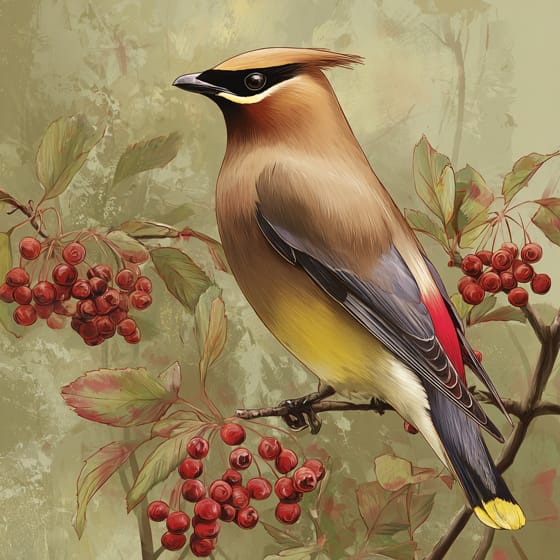
Bombycilla cedrorum
Feasts on abundant fruit clusters

Odocoileus virginianus
Browses its young stems and leaves
Apis mellifera
Gathers nectar from its small flowers

Syrphus ribesii
Visits flowers for nectar and pollen
Social animals live in organized groups, cooperating for survival benefits such as foraging, defense, and raising offspring.
Colorful describes organisms or objects displaying a wide range of bright and distinct colors.
This trait characterizes organisms whose diet consists entirely or primarily of plant material.
Forest habitats are terrestrial environments dominated by dense tree cover, supporting a high diversity of plant and animal life.

Describes organisms that transfer pollen, enabling the fertilization and reproduction of plants.
Danger
0/5 · No known danger
No special safety notes yet.
The easiest way to identify Silky Dogwood is to use the Snappit nature identifier app.
150-450 cm
150-300 cm
0.5-1 cm
Late spring to early summer
No
Mild
Perennial
Zoom in to split clusters and explore where this object has been snapped.
Sep 22, 2025
Stockbridge Common Historic DistrictPhoto attribution
(c) naturalist charlie, some rights reserved (CC BY)
License: CC BY 4.0 ↗
Image may be shown cropped inside the card frame.

Tennessee, US
You might spot American Robin, Northern Cardinal, and Eastern Chipmunk.
View guide →

Connecticut, US
You might spot American Nursery Web Spider and Common Eastern Bumble Bee.
View guide →

Connecticut, US
You might spot Hobblebush, Pink Lady's Slipper, and Red Trillium.
View guide →

Massachusetts, US
You might spot Painted Turtle and Eastern White Pine.
View guide →

Massachusetts, US
You might spot African Lion, Tiger, and Southern White Rhinoceros.
View guide →

Pennsylvania, US
You might spot Duck, Staghorn Sumac, and American Robin.
View guide →
Take the discovery with you
Snap it with Snappit to identify it, learn what makes it special, and add the discovery to your collection.








.jpg&width=800)



_001.jpg&width=800)




