Chicory

Midewin National Tallgrass Prairie is the nation's first national tallgrass prairie, representing the largest open space in the Chicago metropolitan area and the most extensive tallgrass prairie restoration effort east of the Mississippi River.
Midewin National Tallgrass Prairie is the nation's first national tallgrass prairie, representing the largest open space in the Chicago metropolitan area and the most extensive tallgrass prairie restoration effort east of the Mississippi River. This expansive preserve allows visitors to step back in time and witness the ongoing transformation of former industrial land into a vibrant prairie ecosystem. Its significance lies not only in its vast 20,000 acres, but in the ambitious ecological restoration work that brings back the rich biodiversity once characteristic of the "Prairie State."
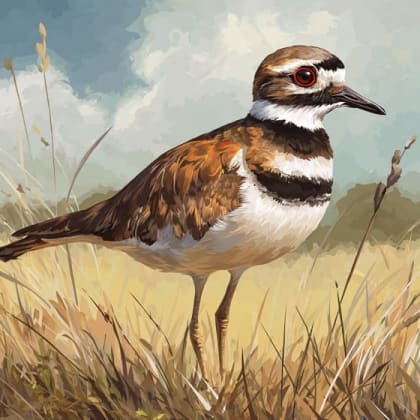
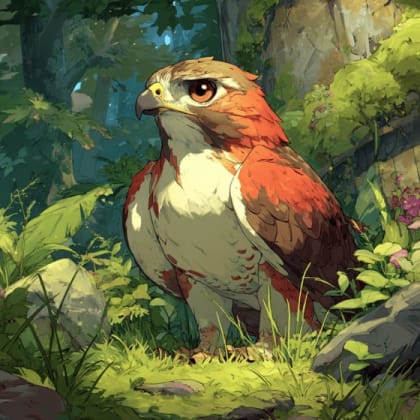
Central to Midewin's appeal is its thriving conservation herd of American bison, reintroduced in 2015 as a key part of the prairie restoration project. Beyond the majestic bison, the prairie is a haven for hundreds of bird species, including threatened Henslow's sparrows, loggerhead shrikes, and endangered upland sandpipers, making it a premier destination for birdwatching. Miles of trails wind through diverse habitats, from waving tall grasses and colorful wildflowers like Purple Coneflower and Prairie Blazing Star, to rare dolomite prairies, offering endless opportunities for wildlife viewing and photography.
Visiting Midewin is an inspiring journey into ecological recovery and a chance to connect with a vital American landscape. It provides a memorable experience for those seeking outdoor recreation, wildlife encounters, and an understanding of the immense efforts to preserve and restore natural heritage. The interplay of history, ongoing restoration, and abundant wildlife makes Midewin National Tallgrass Prairie a compelling and rewarding destination. Be ready to snap and learn! Get the Snappit app to identify any nature species you find here.
Buffs
Hiking, Biking, Horseback Riding: Enjoy over 33 miles of multi-use trails, including dedicated hiking-only paths, through diverse prairie, woodland, and wetland habitats.
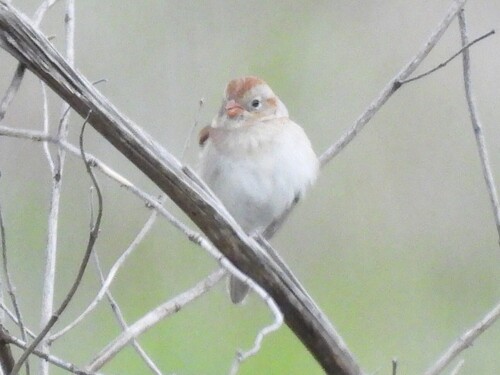
* **Birdwatching: ** Midewin is an Important Bird Area, home to hundreds of species. Look for grassland birds such as Henslow's sparrows, Bobolinks, and Eastern Meadowlarks.
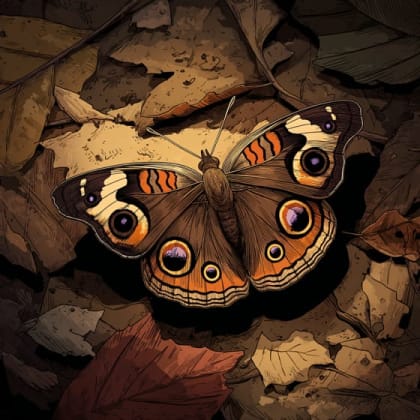
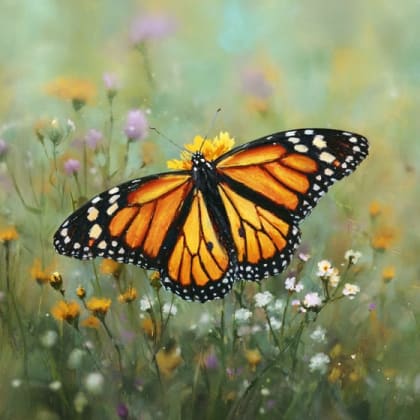
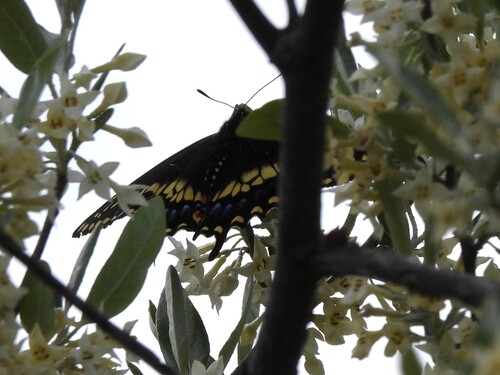
* **Wildlife Viewing: ** Beyond bison and birds, keep an eye out for white-tailed deer, coyotes, and a variety of amphibians, reptiles, and butterflies.
* **Photography: ** Capture the vast prairie landscapes, diverse flora, and captivating wildlife.
* **Self-Guided Tours: ** Use a smartphone app for interpretive tours along certain trails.
Wildflowers bloom profusely from spring through fall, attracting numerous pollinators. Migratory birds are particularly active during spring and fall. Summers can be hot and humid, while winters can be cold and snowy, but trails remain accessible.
Many trails are suitable for non-motorized recreation. While some trails are mowed grass or mulched, others are crushed limestone or gravel, for which fat-tire bikes are recommended. Picnic tables and portable toilets are available at all trailheads. The Welcome Center is accessible.
Located in a fenced, 1,200-acre pasture, these majestic animals are a primary draw. They can be viewed from designated overlooks, particularly near the Iron Bridge Trailhead.
Provides valuable information, maps, and displays on Midewin's history and ecology.
Witness the ongoing restoration efforts firsthand in areas where native prairie seeds are grown for replanting.
Explore remnants of the site's past as the Joliet Army Ammunition Plant, offering a unique historical perspective amidst the natural landscape.
Each card links to a full Explore page with photos, traits, and fun facts.
Start with the big picture, then zoom in to explore individual wildlife observations around this place.
Begin your visit at the Welcome Center to obtain maps, current trail conditions, and information about programs or recent wildlife sightings.
Bring binoculars or a spotting scope, especially if you hope to view the bison or observe distant bird species.
Wear appropriate footwear for hiking, as trails vary from mowed grass to gravel and can be uneven.
Pack plenty of water, as sources are limited primarily to the Welcome Center.
Apply insect repellent, especially during warmer months, and consider wearing long pants and sleeves to protect against ticks and sun.
Check the Midewin website before your visit for updated trail closures, events, and Welcome Center hours, as these can vary seasonally.
May 2, 2026
Photo attribution
(c) P Holroyd, some rights reserved (CC BY)
License: CC BY 4.0 ↗
Image may be shown cropped inside the card frame.
May 2, 2026
Photo attribution
(c) P Holroyd, some rights reserved (CC BY)
License: CC BY 4.0 ↗
Image may be shown cropped inside the card frame.
May 2, 2026
Photo attribution
(c) P Holroyd, some rights reserved (CC BY)
License: CC BY 4.0 ↗
Image may be shown cropped inside the card frame.
May 2, 2026
Photo attribution
(c) P Holroyd, some rights reserved (CC BY)
License: CC BY 4.0 ↗
Image may be shown cropped inside the card frame.
May 2, 2026
Photo attribution
(c) P Holroyd, some rights reserved (CC BY)
License: CC BY 4.0 ↗
Image may be shown cropped inside the card frame.

Maryland, US
You might spot White-Tailed Deer and Eastern Gray Squirrel.
View guide →
.jpg)
District of Columbia, US
You might spot Eastern Gray Squirrel, Duck, and House Sparrow.
View guide →

Illinois, US
You might spot American Robin, Canada Goose, and House Sparrow.
View guide →

Virginia, US
You might spot Spotted Lanternfly and Northern Cardinal.
View guide →
Take the discovery with you
Identify the wildlife you spot, learn as you go, and keep a collection of the adventure.