





Violet Woodsorrel
oxalis violacea
The Violet Woodsorrel is a beautiful plant with delicate purple flowers that look like little butterflies! Its leaves are shaped like hearts and can be found in many gardens and meadows.
Habitat: Violet Woodsorrel can be found in meadows, gardens, and along roadsides, thriving in moist, well-drained soil.
The Violet Woodsorrel has striking three-part, clover-like leaves, often tinged with purple. Its delicate, trumpet-shaped flowers are typically vibrant pink to violet, sometimes with white centers, emerging on slender stalks above the foliage.
Category
PlantsRarity
Common
Danger
1/5 · Very low
Snaps
9
Its tart leaves are like lemon candy, but don't eat too many at once!
Like a shy sleeper, its leaves fold up tightly when darkness falls.
Some believe finding a four-leaf woodsorrel is even luckier than a clover!
The 'oxalis' in its name means 'sour,' perfect for its zesty taste.
Violet Woodsorrel can fold its leaves down at night or in intense sun, protecting itself from cold or excessive light.
Violet Woodsorrel has seed pods that explosively eject seeds, helping them spread far from the parent plant.
Violet Woodsorrel has underground bulbs that store energy, allowing it to survive harsh conditions and regrow.
Apis mellifera
Bees visit its flowers for nectar and pollen.
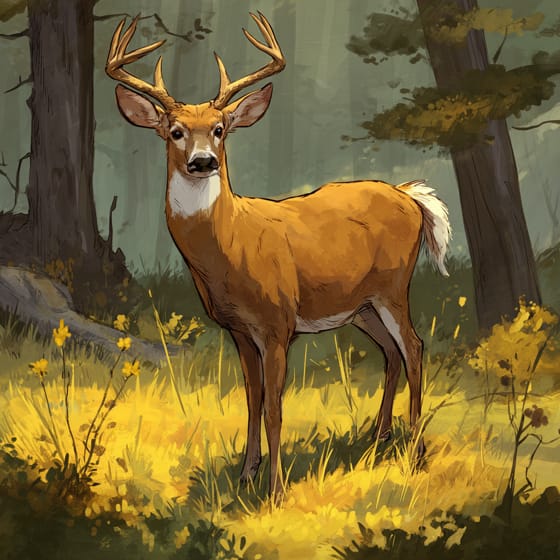
Odocoileus virginianus
Deer browse on the leaves and stems of this plant.
Limax maximus
Slugs and snails commonly feed on its foliage.
Colorful describes organisms or objects displaying a wide range of bright and distinct colors.
This trait characterizes organisms whose diet consists entirely or primarily of plant material.
Forest habitats are terrestrial environments dominated by dense tree cover, supporting a high diversity of plant and animal life.
Diurnal animals are primarily active during daylight hours, typically resting or sleeping at night.

Describes organisms that transfer pollen, enabling the fertilization and reproduction of plants.
Danger
1/5 · Very low
Always ask an adult before tasting any wild plants.
The easiest way to identify Violet Woodsorrel is to use the Snappit nature identifier app.
10-30 cm
10-20 cm
1-2 cm
Spring-Summer
Yes
Mild
Perennial
Zoom in to split clusters and explore where this object has been snapped.

Missouri, US
You might spot Common Eastern Bumble Bee and Brown-Belted Bumble Bee.
View guide →

Alabama, US
You might spot Cave Salamander and Pink Lady's Slipper.
View guide →

South Carolina, US
You might spot Eastern Pondhawk and Four-Spotted Pennant.
View guide →

Maryland, US
You might spot American Robin, Mourning Dove, and Northern Cardinal.
View guide →

Alabama, US
You might spot Cave Salamander and Pink Lady's Slipper.
View guide →

Alabama, US
You might spot Cave Salamander and Pink Lady's Slipper.
View guide →
Take the discovery with you
Snap it with Snappit to identify it, learn what makes it special, and add the discovery to your collection.








.jpg&width=800)



_001.jpg&width=800)




