





Cyanobacteria
cyanobacteria
Cyanobacteria are tiny organisms that can create their own food from sunlight! They often look like green slime in water and can be found in ponds and lakes.
Habitat: Freshwater, saltwater, and even damp soil.
The Cyanobacteria often appears as microscopic cells that form slimy, filamentous, or colonial structures visible to the naked eye. These can display vibrant hues, typically ranging from blue-green to olive green, sometimes with reddish or brownish tones.
Category
PlantsRarity
Common
Danger
1/5 · Very low
Snaps
Be the first to snap!
Cyanobacteria are Earth's oldest known fossils, dating back 3.5 billion years!
Some tiny cyanobacteria produce a natural 'sunscreen' to shield themselves from UV rays!
The vibrant pink color of some flamingos comes from eating certain cyanobacteria!
They can form vast, colorful mats in oceans and lakes, visible from space!
Cyanobacteria can capture sunlight to create their own food and release oxygen, powering life on Earth.
Cyanobacteria can convert atmospheric nitrogen into usable forms, enriching soil and water for other living things.
Cyanobacteria can form strong biofilms and colonies, allowing them to thrive in diverse and sometimes harsh environments.
Some cyanobacteria have special pigments that can change color, helping them adapt to different light conditions.
Daphnia pulex
Common food source for small aquatic invertebrates.
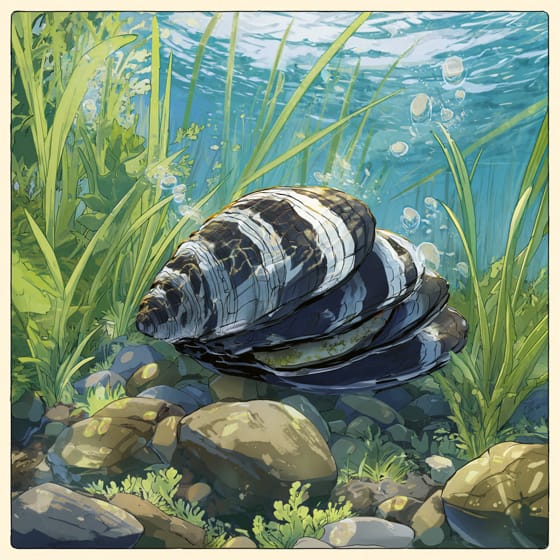
Dreissena polymorpha
Filter-feeding mussels consume cyanobacteria from water.
Peltigera canina
Forms lichen partnerships, providing food for fungi.
Azolla filiculoides
Lives in fern leaves, fixing nitrogen for the plant.
Colorful describes organisms or objects displaying a wide range of bright and distinct colors.
Describes organisms that break down dead organic material, recycling nutrients back into the ecosystem.
Diurnal animals are primarily active during daylight hours, typically resting or sleeping at night.
Aquatic habitats encompass environments where organisms live predominantly in water, including oceans, rivers, lakes, and wetlands.

Endangered status indicates a species is at a very high risk of extinction in the wild in the near future.
Danger
1/5 · Very low
No special safety notes yet.
The easiest way to identify Cyanobacteria is to use the Snappit nature identifier app.
No
High
Perennial
Freshwater, saltwater, and even damp soil.
Zoom in to split clusters and explore where this object has been snapped.
Recent snaps will appear here as new observations are added.
Take the discovery with you
Snap it with Snappit to identify it, learn what makes it special, and add the discovery to your collection.









.jpg&width=800)



_001.jpg&width=800)




