_001.jpg&width=800)




Millet
Bithynia (Milletelona) decipiens
Millet is a type of grain that grows tall with small seeds. It is a nutritious food for many animals and people around the world.
Habitat: Grasslands
The Millet is a tall, slender grass with long, narrow leaves and a distinctive, dense seed head at its top. Its small seeds come in various colors, from pale yellow to dark red, making it visually distinct from many other common grasses.
Category
PlantsRarity
Common
Danger
1/5 · Very low
Snaps
Be the first to snap!
Millet grains come in many colors, from creamy white to deep red and even black!
Millet was found in ancient Chinese noodles from 4,000 years ago!
Over half a billion people worldwide eat millet as a daily staple food!
Some types of millet can grow as tall as a basketball hoop!
Millet can thrive in dry regions thanks to its efficient water use, helping it survive arid conditions.
Millet has a rapid growth cycle, allowing it to mature quickly and produce seeds even in short seasons.
Millet can grow in poor soils by efficiently extracting nutrients, making it a robust crop.

Homo sapiens
A staple food grain for people worldwide.
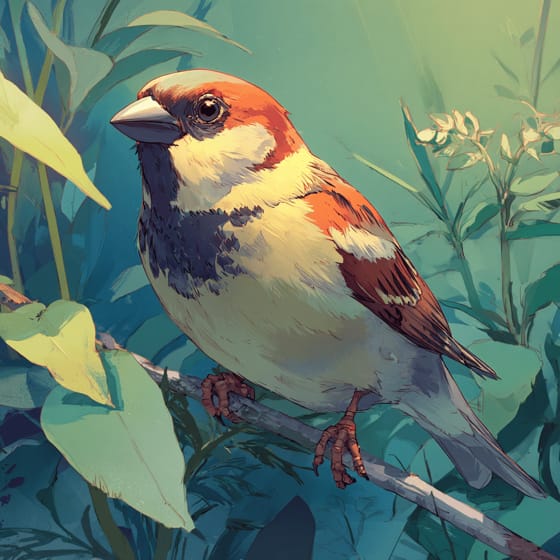
Passer domesticus
Seeds are a key food source for many wild birds.
Spodoptera frugiperda
Larvae can cause significant damage to millet crops.

Rattus rattus
Rats are known to forage on millet seeds in fields and storage.
Grass-like plants are herbaceous plants that visually resemble true grasses, typically having long, narrow leaves.
Drought-tolerant plants can survive and flourish in conditions with limited water availability.
This human use trait denotes species cultivated as grain crops, harvested for their edible dry seeds (grains), which are a staple food source.
Edible plants are those parts of a plant that are considered safe for human consumption.

Grassland habitats are terrestrial biomes dominated by grasses and herbaceous plants, supporting a variety of grazing animals.

Rapid growing plants exhibit accelerated growth rates, quickly increasing in size and biomass within a short period.
Danger
1/5 · Very low
Millet is safe to observe and touch but should not be consumed raw unless prepared properly.
The easiest way to identify Millet is to use the Snappit nature identifier app.
50-300 cm
20-60 cm
0.1-0.5 cm
Summer
Yes
None
Annual
Zoom in to split clusters and explore where this object has been snapped.
Recent snaps will appear here as new observations are added.
Take the discovery with you
Snap it with Snappit to identify it, learn what makes it special, and add the discovery to your collection.









.jpg&width=800)



_001.jpg&width=800)



