





Cypress-leaved Plait-moss
Hypnum cupressiforme
Cypress-leaved Plait-moss is a soft, green moss that often grows on trees and rocks. It looks like tiny, fluffy pillows and helps keep the forest moist and cool.
Habitat: Forests
The Cypress-leaved Plait-moss is a low-growing moss that forms dense, flattened mats. It has distinct, feather-like stems densely covered with small, overlapping, yellowish-green to dark green leaves. These leaves curve towards one side, giving it a characteristic braided or plaited appearance, distinct from other mat-forming mosses.
Category
PlantsRarity
Common
Danger
1/5 · Very low
Snaps
Be the first to snap!
Ancient people sometimes used this tough moss for bedding or even insulation!
It gets its name because its tiny leaves look like cypress tree scales!
Some tiny insects and mites live hidden deep within its cozy carpet homes.
This moss can dry out completely and then spring back to life with rain!
Cypress-leaved Plait-moss can soak up lots of water, like a super sponge, helping nearby plants stay hydrated during dry spells.
Cypress-leaved Plait-moss has dense mats that protect soil from erosion and insulate it from extreme temperature changes.
Cypress-leaved Plait-moss can release tiny spores, carried by wind, to spread and colonize new damp places far away.
Limax maximus
Slugs sometimes graze on mosses, including this species.
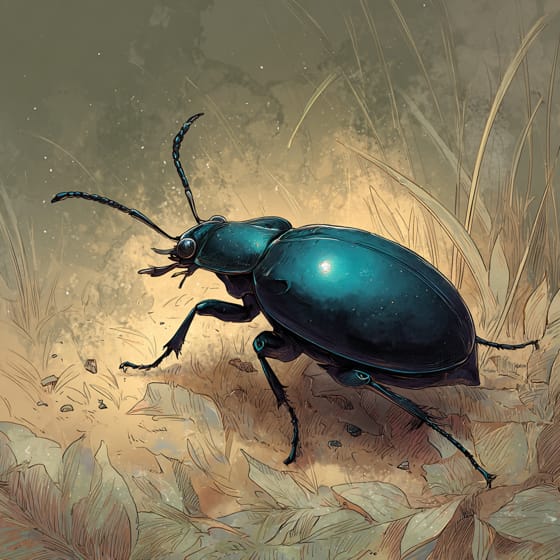
Carabus nemoralis
Its dense mats provide shelter for various small insects like this beetle.
Turdus merula
Birds gather its soft strands for building cozy, insulated nests.
Furry describes animals possessing a dense covering of soft hair or fur.
This trait characterizes plants lacking specialized vascular tissues (xylem and phloem) for transporting water and nutrients.
Shade tolerant plants are adapted to grow and thrive in areas with low light levels, requiring less direct sunlight.
Describes a relationship between two different species where they live in close association, often benefiting one or both.

Forest habitats are terrestrial environments dominated by dense tree cover, supporting a high diversity of plant and animal life.

Describes a species whose presence and role have a disproportionately large effect on its environment.

Pertaining to species that are significantly smaller than typical or average for their kind.
No aliases listed yet.
Danger
1/5 · Very low
Always look but don't touch plants unless you know they are safe.
The easiest way to identify Cypress-leaved Plait-moss is to use the Snappit nature identifier app.
1-10 cm
5-100 cm
No
None
Perennial
Forests
Zoom in to split clusters and explore where this object has been snapped.
Recent snaps will appear here as new observations are added.
Take the discovery with you
Snap it with Snappit to identify it, learn what makes it special, and add the discovery to your collection.








.jpg&width=800)



_001.jpg&width=800)



