





Damselflies
Zygoptera
Damselflies are beautiful insects that love to flutter around near water. They have long, slender bodies and colorful wings that shimmer in the sunlight.
Habitat: Wetlands
The Damselflies has a slender, delicate body, often brightly colored in iridescent blues, greens, or reds. Unlike dragonflies, their two pairs of equally sized wings are typically held together over their back when at rest. They possess large, widely separated eyes.
Category
InsectsRarity
Common
Danger
1/5 · Very low
Snaps
Be the first to snap!
Baby damselflies, called nymphs, breathe with gills and live underwater for years!
Many male damselflies defend small territories, chasing away rivals in aerial battles!
Some damselfly species can change their color intensity based on temperature or mood!
Their huge, widely separated eyes are compound, giving them nearly 360-degree vision!
Damselflies can fold their delicate wings neatly over their body when resting, which helps them squeeze into tight spaces for protection.
Damselfly nymphs possess a special hinged lower jaw (labium) that shoots out rapidly to snatch unsuspecting aquatic prey.
Damselflies can hover and fly backward, thanks to their independently moving wings, allowing for precise aerial maneuvering.
Tiny hunters, they feast on small insects caught in the air or water.
Age differences: Nymphs hunt aquatic insects underwater, while adults catch flying insects in the air.
Culex pipiens
Adult damselflies actively hunt mosquito adults, controlling populations.
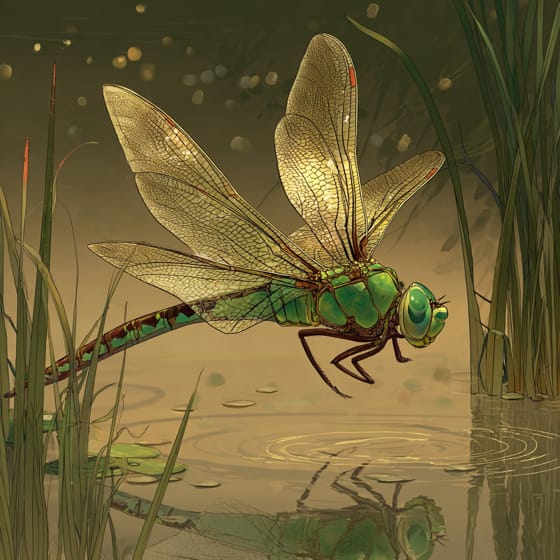
Anax junius
Larger dragonflies like this species prey on smaller damselflies.
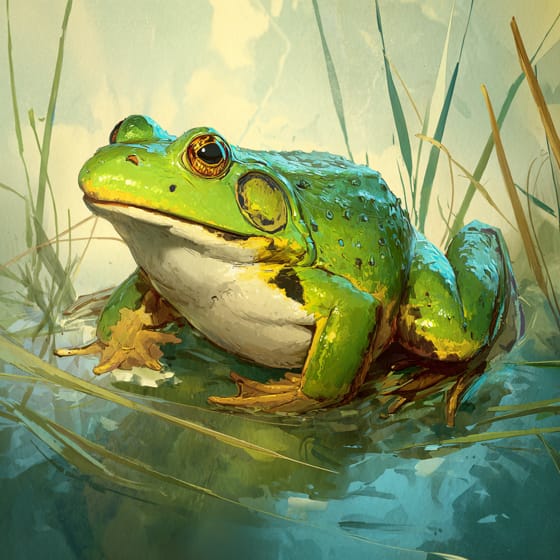
Rana clamitans
Frogs often ambush adult damselflies resting near water.
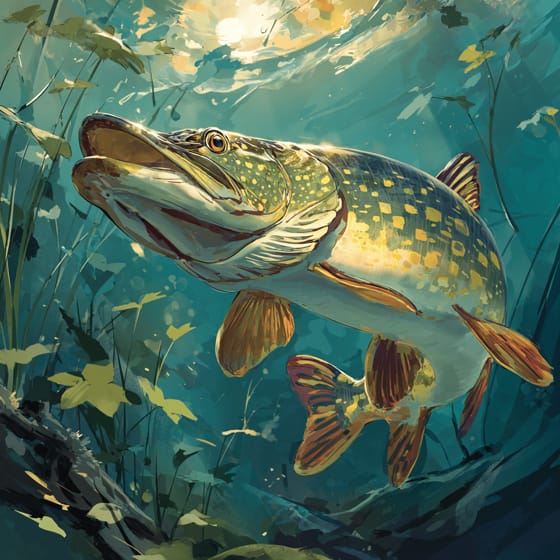
Esox lucius
Fish, like pike, consume damselfly nymphs in aquatic environments.
Solitary animals live alone for most of their lives, only interacting with others for mating or parental care.
Aerial creatures spend a significant portion of their lives airborne, utilizing flight for various activities such as hunting, migration, or nesting.
Colorful describes organisms or objects displaying a wide range of bright and distinct colors.
This trait identifies organisms whose diet primarily consists of insects and other small invertebrates.

This habitat trait identifies species found in wetlands, which are areas of land saturated with water, either permanently or seasonally, including marshes, swamps, and bogs.

Diurnal animals are primarily active during daylight hours, typically resting or sleeping at night.

Freshwater habitats include non-saline aquatic environments such as rivers, lakes, ponds, and wetlands, vital for numerous species.

This trait identifies organisms that exhibit exceptional swiftness in movement for hunting, escape, or travel.

Describes organisms that transfer pollen, enabling the fertilization and reproduction of plants.
No aliases listed yet.
Danger
1/5 · Very low
Damselflies are harmless, but it's best to watch them from a distance.
The easiest way to identify Damselflies is to use the Snappit nature identifier app.
25-80 mm
20-70 mm
365-1095 days
10 km/h
Tiny hunters, they feast on small insects caught in the air or water.
Wetlands
Pursuit
Zoom in to split clusters and explore where this object has been snapped.
Recent snaps will appear here as new observations are added.

Washington, US
You might spot Strawberry Tree, Duck, and American Beaver.
View guide →
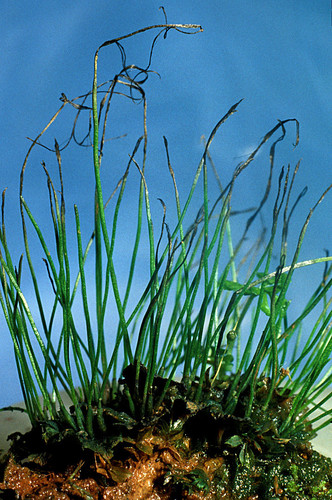
British Columbia, CA
You might spot Hornwort, Silverleaf Phacelia, and Big Rough Fescue.
View guide →
British Columbia, CA
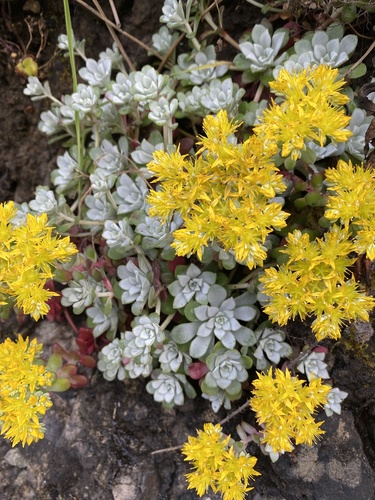
You might spot Broad-Leaved Stonecrop and Western Rattlesnake Plantain.
View guide →
Take the discovery with you
Snap it with Snappit to identify it, learn what makes it special, and add the discovery to your collection.








.jpg&width=800)



