Yarrow
Sooke Mountain Provincial Park is a pristine, undeveloped wilderness area nestled within the rugged landscapes of British Columbia's Vancouver Island.
Sooke Mountain Provincial Park is a pristine, undeveloped wilderness area nestled within the rugged landscapes of British Columbia's Vancouver Island. Established in 1928, it stands as one of the earliest provincial parks on southern Vancouver Island, forming a crucial part of the expansive Sooke Hills greenbelt. This park is a sanctuary for those seeking profound solitude and a deep connection with nature, offering an escape into a world of rocky hills, serene lakes, and dense forested slopes that protect the vital Sooke River watershed. Its wild character, with no paved roads or maintained trails, emphasizes a truly backcountry experience, making it a unique destination for adventurous spirits.
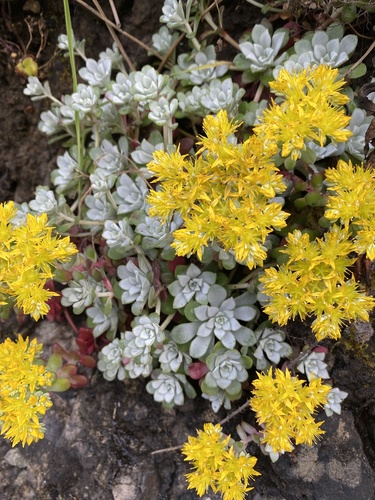
The park boasts a rich diversity of habitats, from Garry oak meadows and rocky outcrops to coastal western hemlock groves and moist valley forests. This varied terrain supports an impressive array of flora, including the vibrant Broad-leaved Stonecrop, delicate Western Rattlesnake Plantain, and the distinctive Hairy Manzanita, alongside a carpet of wildflowers like Meadow Deathcamas, white brodiaea, and checker lily. Keep an eye out for the charming Heartleaf Twayblade and the resilient Common Selfheal. Wildlife abounds here, with the park serving as a critical habitat for large predators such as black bears, cougars, and gray wolves, as well as Roosevelt elk and various bird species including grouse, songbirds, hawks, and eagles. Amphibians like the Northern Red-legged Frog and reptiles such as the Common Garter Snake also thrive in the park's wetland areas.
Visiting Sooke Mountain Provincial Park offers a memorable journey into true wilderness, challenging hikers and nature enthusiasts to embrace its rugged beauty. The park's undeveloped nature means that every step is an immersion into an untouched ecosystem, where the calls of American Robins blend with the rustling of Narrowleaf Sword Ferns. It's a place where you can test your navigation skills amidst towering trees and discover hidden natural wonders. The profound sense of peace and the raw, untamed beauty of this landscape make Sooke Mountain Provincial Park an unforgettable destination for those willing to venture off the beaten path and reconnect with the wild heart of Vancouver Island. Take the ultimate field guide with you: use the Snappit app to identify birds, plants, and animals on your trip.
Sooke Mountain Provincial Park was established on June 25, 1928, with the primary goal of protecting local wildlife and preserving the scenic wilderness values of the area. It was one of the earliest provincial parks designated on southern Vancouver Island and is now integrated into the larger Sea to Sea Green Blue Belt that encircles Greater Victoria. Historically, the park area was used as a wilderness destination by the Canadian Pacific Railway, where visitors could stay at a private lodge overlooking Shields Lake, though this lodge burned down in the 1960s. The region, including the park and its surroundings, underwent logging during the 1950s. The park continues to fulfill a significant conservation role, safeguarding threatened ecosystems like Garry oak and rocky outcrops, and protecting valuable habitat for amphibians, reptiles, and birds.
Wilderness Hiking and Mountain Biking: Explore the rugged landscapes. Be prepared for unmaintained trails, creek crossings, and potential deadfall.
Wildlife Viewing: Observe a variety of animals including black bears, cougars, Roosevelt elk, deer, and diverse bird species. Keep an eye out for species like the Northern Red-legged Frog and Common Garter Snake near water sources.
Fishing: Recreational fishing is permitted in Shields Lake, Grass Lake, and Crabapple Lake, which are stocked with rainbow trout.
Photography: Capture the serene lakes, dense forests, and rugged mountain views, as well as opportunities for wildlife photography.
Weather: Can change quickly in higher elevations, so dressing in layers is recommended.
Animal Activity: Bear and cougar sightings are possible year-round; be prepared and follow wildlife safety guidelines. Fall brings opportunities for salmon runs in the Sooke River.
Water Levels: Creek and river crossings may require wading, as there are no bridges.
Fire Bans: Total fire bans are typically in effect during summer to fall due to wildfire risk.
Sooke Mountain Provincial Park is largely undeveloped with no road access or maintained trails within the park itself. Access is primarily via walking or hiking from connecting regional parks, and visitors must be prepared to wade across Charters River. This means it is not wheelchair accessible.
The park itself is the highlight, offering a rugged, authentic wilderness experience with no maintained trails or facilities.
These pristine lakes are central features, with Shields Lake being a popular destination for fishing.
These peaks offer challenging hikes and potentially expansive views, though trails may be informal and require navigation skills.
Unique ecosystems providing diverse flora.
Each card links to a full Explore page with photos, traits, and fun facts.
Start with the big picture, then zoom in to explore individual wildlife observations around this place.
Be prepared for backcountry conditions
The park is rugged and undeveloped. Bring plenty of water, a map, compass or GPS, and be proficient in wilderness navigation.
Dress in layers and wear sturdy footwear: Weather can change rapidly, and the terrain is uneven with rocky sections.
Practice wildlife safety
This is bear and cougar country. Carry bear spray, know how to use it, make noise on trails, and keep pets on a leash.
Plan your route carefully
While there are no official maps for the provincial park, unofficial maps or apps like Komoot can provide insight into existing pathways and routes, such as those leading to Shields Lake or Thunderbird Mountain.
Access via connecting parks
Sooke Mountain Provincial Park lacks direct road access. You'll typically access it by foot or bike from adjacent regional parks like Sea to Sea Regional Park or Sooke Potholes Regional Park. Be prepared for river crossings without bridges.
Leave no trace
Pack out everything you pack in to preserve the pristine wilderness.
Jul 1, 2024
Jul 1, 2024
Jul 1, 2024
Jun 3, 2024
Jun 3, 2024

Maryland, US
You might spot White-Tailed Deer and Eastern Gray Squirrel.
View guide →
.jpg)
District of Columbia, US
You might spot Eastern Gray Squirrel, Duck, and House Sparrow.
View guide →

Illinois, US
You might spot American Robin, Canada Goose, and House Sparrow.
View guide →

Virginia, US
You might spot Spotted Lanternfly and Northern Cardinal.
View guide →
Take the discovery with you
Identify the wildlife you spot, learn as you go, and keep a collection of the adventure.