





Deadly Nightshade
Atropa bella-donna
Deadly Nightshade is a beautiful plant with purple flowers and shiny black berries. But be careful! It's very poisonous and not safe to touch or eat.
Habitat: Forests
The Deadly Nightshade has dull green, oval leaves and bell-shaped, purplish-brown flowers that hang downwards. Its most striking feature are the glossy, cherry-sized black berries, which appear jewel-like but are extremely dangerous.
Category
PlantsRarity
Rare
Danger
5/5 · Extreme
Snaps
Be the first to snap!
Ancient cultures used nightshade in potions for its mind-altering effects!
Despite its danger, extracts from this plant are used in modern medicine!
Its scientific name 'Atropa' comes from the Greek goddess of fate who cut the thread of life.
Just a few berries can be fatal to a child. Never touch them!
Deadly Nightshade creates powerful toxic compounds, like atropine, which deter most animals from eating its leaves and berries.
While deadly to humans, some birds can eat its berries without harm, helping to spread its seeds to new locations.
Deadly Nightshade has a strong perennial rootstock, allowing it to regrow year after year even if its upper parts are damaged.
Bombus terrestris
Visits flowers for nectar and pollen.
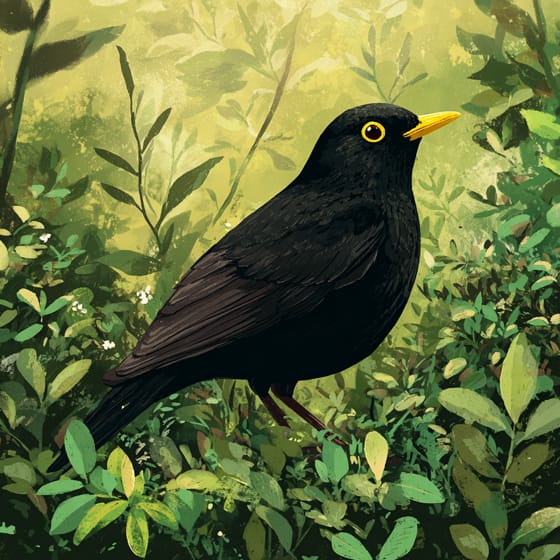
Turdus merula
Consumes berries, aiding in seed dispersal.
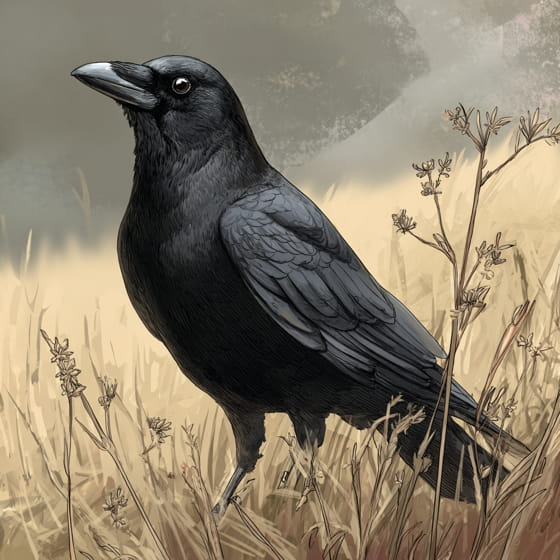
Corvus corone
Feeds on ripe berries, spreading seeds.
Deciduous plants periodically shed all their leaves, typically during autumn or dry seasons.
Flowering plants are any plants that produce flowers as part of their reproductive cycle.
Shade tolerant plants are adapted to grow and thrive in areas with low light levels, requiring less direct sunlight.
Medicinal plants possess chemical compounds that can be used for therapeutic purposes to treat illnesses or maintain health.

Colorful describes organisms or objects displaying a wide range of bright and distinct colors.

Forest habitats are terrestrial environments dominated by dense tree cover, supporting a high diversity of plant and animal life.

Toxic organisms contain substances that are poisonous and can cause adverse effects upon exposure.

Poisonous organisms produce toxins that can cause harm when ingested, inhaled, or absorbed through contact.

Venomous organisms produce toxins that are injected into another animal, typically through a bite or sting.
Danger
5/5 · Extreme
Never touch or eat any part of this plant. Always ask an adult if you're unsure.
The easiest way to identify Deadly Nightshade is to use the Snappit nature identifier app.
50-150 cm
50-100 cm
2-3 cm
Summer
No
Deadly
Perennial
Zoom in to split clusters and explore where this object has been snapped.
Recent snaps will appear here as new observations are added.
Take the discovery with you
Snap it with Snappit to identify it, learn what makes it special, and add the discovery to your collection.







.jpg&width=800)



_001.jpg&width=800)



