





Deep-Rooted Sedge
Cyperus entrerianus
Deep-Rooted Sedge is a special plant that grows in wet places. Its long, green leaves reach up high, and it helps keep the soil strong and healthy.
Habitat: Wetlands
The Deep-Rooted Sedge has stiff, grass-like leaves and distinctive triangular stems, which feel sharp when rolled between your fingers. Its small, inconspicuous flowers appear in brownish-green spikes, clustered at the top of the stem, blending into its wetland surroundings.
Category
PlantsRarity
Common
Danger
1/5 · Very low
Snaps
Be the first to snap!
"Sedge has edges!" You can feel its special triangular stems that make it unique.
Its tiny seeds are often carried far away by water currents, like mini-rafts!
Some close relatives of this sedge grow yummy underground "tigernuts"!
This plant helps naturally clean water as it grows in wetlands and marshes!
Deep-Rooted Sedge has powerful roots that extend far down, helping it find water and stay anchored in unstable soils.
Deep-Rooted Sedge has unique triangular stems that provide extra strength, helping it stand tall in windy or wet conditions.
Deep-Rooted Sedge can spread underground using rhizomes, allowing it to quickly colonize new areas and bounce back from damage.

Capra hircus
Goats sometimes graze on its leaves.
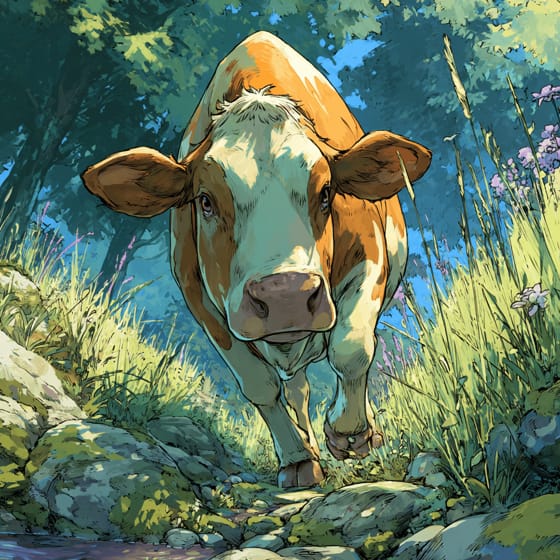
Bos taurus
Cattle may browse on this sedge in pastures.
Spodoptera frugiperda
Larvae can feed on the leaves of sedges.
Flowering plants are any plants that produce flowers as part of their reproductive cycle.
Grass-like plants are herbaceous plants that visually resemble true grasses, typically having long, narrow leaves.
Evergreen plants retain their foliage throughout the year, never shedding all their leaves at once.
Describes plants that are particularly attractive and beneficial to a wide range of pollinating organisms.

This habitat trait identifies species found in wetlands, which are areas of land saturated with water, either permanently or seasonally, including marshes, swamps, and bogs.

Freshwater habitats include non-saline aquatic environments such as rivers, lakes, ponds, and wetlands, vital for numerous species.

Describes a species whose presence and role have a disproportionately large effect on its environment.
No aliases listed yet.
Danger
1/5 · Very low
Always look but don't touch plants unless you know they're safe.
The easiest way to identify Deep-Rooted Sedge is to use the Snappit nature identifier app.
30-90 cm
20-40 cm
Summer
No
None
Perennial
Wind
Zoom in to split clusters and explore where this object has been snapped.
Recent snaps will appear here as new observations are added.
Take the discovery with you
Snap it with Snappit to identify it, learn what makes it special, and add the discovery to your collection.








.jpg&width=800)



_001.jpg&width=800)



