





Small-Flower Beardtongue
penstemon procerus
The Small-Flower Beardtongue is a beautiful plant with tiny, colorful flowers that attract bees and butterflies! It grows in sunny places and adds splashes of color to gardens and wild areas.
Habitat: Dry, rocky areas and open fields with plenty of sunlight.
The Small-Flower Beardtongue has slender stems topped with clusters of tiny, tubular flowers, typically vibrant blue, purple, or sometimes pink. Each delicate bloom measures less than two centimeters, forming dense spikes that make it distinct from other beardtongues with larger flowers.
Category
PlantsRarity
Common
Danger
0/5 · No known danger
Snaps
1
It thrives in tough, rocky mountain soils where many other plants struggle to grow!
Its bright blooms can carpet entire high-altitude meadows with a sea of purple and blue!
Some Native American tribes used this plant for traditional medicinal purposes, like treating coughs.
The 'beardtongue' name comes from a fuzzy, sterile stamen resembling a tiny tongue inside each flower.
Small-Flower Beardtongue has tough roots that can survive harsh winters and dry spells, helping it regrow year after year.
Its small, brightly colored flowers clustered on tall stalks act as a clear signal, efficiently attracting tiny bees and hoverflies.
This plant produces many tiny seeds that can lie dormant for years, waiting for the perfect conditions to sprout and grow.
Bombus bifarius
Collects nectar and pollen from its tubular flowers

Archilochus alexandri
Sips nectar, aiding in pollen transfer between plants
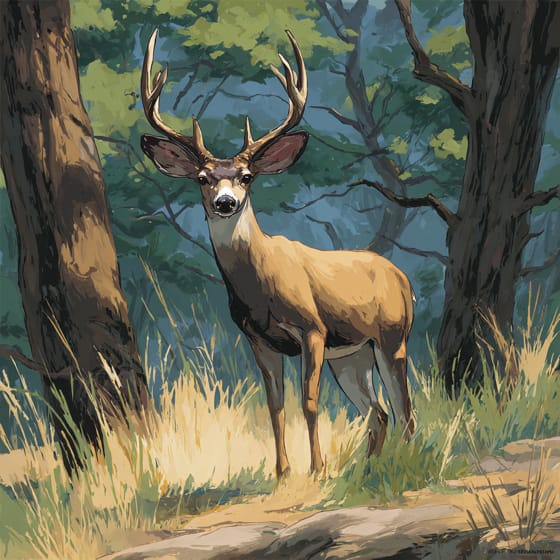
Odocoileus hemionus
Browses on the leaves and stems, especially new growth
Apis mellifera
Visits flowers for nectar, contributing to reproduction
Colorful describes organisms or objects displaying a wide range of bright and distinct colors.
Grassland habitats are terrestrial biomes dominated by grasses and herbaceous plants, supporting a variety of grazing animals.
This trait characterizes organisms whose diet consists entirely or primarily of plant material.
Diurnal animals are primarily active during daylight hours, typically resting or sleeping at night.

Describes organisms that transfer pollen, enabling the fertilization and reproduction of plants.
Danger
0/5 · No known danger
No special safety notes yet.
The easiest way to identify Small-Flower Beardtongue is to use the Snappit nature identifier app.
10-50 cm
15-30 cm
0.8-1.5 cm
Late spring to mid-summer
No
None
Perennial
Zoom in to split clusters and explore where this object has been snapped.
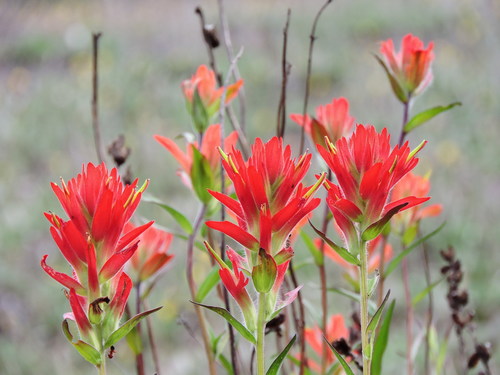
British Columbia, CA
You might spot Giant Red Paintbrush, Lupines, and Broadleaf Arnica.
View guide →

Montana, US
You might spot Spotted Knapweed, Great Mullein, and Nodding Onion.
View guide →

British Columbia, CA
You might spot Subalpine Larch, Arrowleaf Senecio, and Moss Campion.
View guide →
Take the discovery with you
Snap it with Snappit to identify it, learn what makes it special, and add the discovery to your collection.









.jpg&width=800)



_001.jpg&width=800)




