





Dendropsophus ebraccatus
Dendropsophus ebraccatus
The Dendropsophus ebraccatus, also known as the Brazilian Tree Frog, is a small, colorful frog that loves to live in trees. They are great jumpers and can be found near water where they sing their cheerful songs!
Habitat: Wetlands
The Dendropsophus ebraccatus is a small, slender tree frog with a golden-brown body. It often features a distinct dark brown hourglass or X-shaped marking on its back, which makes it easily recognizable. A pale stripe frequently adorns its upper lip.
Category
AmphibiansRarity
Common
Danger
1/5 · Very low
Snaps
Be the first to snap!
Male hourglass tree frogs sing to attract mates, especially at night.
Tadpoles tumble directly into the water from eggs laid on leaves!
Their calls can sound like a series of soft 'wock-wock' noises.
These tiny frogs are usually smaller than an adult's thumb.
Dendropsophus ebraccatus lays its eggs on leaves hanging over water, so tadpoles can drop straight in upon hatching.
Dendropsophus ebraccatus has specialized toe pads that help it cling securely to slippery leaves and branches.
This frog has a patterned skin that helps it blend perfectly with tropical foliage, avoiding predators.
These tiny tree frogs are expert hunters, feasting on small insects and other invertebrates.
Age differences: Tadpoles eat algae and detritus, while adults primarily eat insects.
Leptophis mexicanus
A common snake predator in its Central American range.

Spizaetus ornatus
A large raptor that preys on smaller amphibians in its habitat.
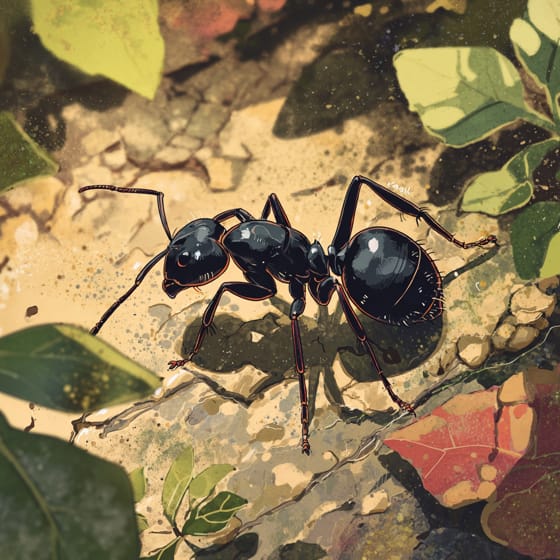
Formica fusca
A common ant species, serving as a food source for the frog.
Heliconia imbricata
Often uses its leaves as a substrate for laying eggs.
Characterized by having toes connected by a membrane, typically aiding in swimming.
Social animals live in organized groups, cooperating for survival benefits such as foraging, defense, and raising offspring.
Singing animals produce complex vocalizations, often for purposes of attracting mates, defending territory, or communicating within their species.
Arboreal animals live primarily in trees, utilizing them for shelter, food, and protection from predators.

Colorful describes organisms or objects displaying a wide range of bright and distinct colors.

This trait identifies organisms whose diet primarily consists of insects and other small invertebrates.

This habitat trait identifies species found in wetlands, which are areas of land saturated with water, either permanently or seasonally, including marshes, swamps, and bogs.

This habitat trait refers to species found in tropical rainforests, characterized by high annual rainfall, high biodiversity, and dense tree cover.

Nocturnal animals are primarily active during the nighttime hours, typically resting or sleeping during the day.
Danger
1/5 · Very low
Always wash your hands after touching frogs, as they can have sensitive skin.
The easiest way to identify Dendropsophus ebraccatus is to use the Snappit nature identifier app.
2.3-3.7 cm
0.002-0.005 kg
3-5 years
1 km/h
These tiny tree frogs are expert hunters, feasting on small insects and other invertebrates.
Wetlands
Ambush
Zoom in to split clusters and explore where this object has been snapped.
Recent snaps will appear here as new observations are added.
Take the discovery with you
Snap it with Snappit to identify it, learn what makes it special, and add the discovery to your collection.








.JPG&width=800)


.jpg&width=800)

