





Dentate Stink Beetle
Eleodes dentipes
The Dentate Stink Beetle is a small, black beetle that can be found in many places. When threatened, it releases a smelly liquid to scare away predators. They are often seen in gardens and fields.
Habitat: Grasslands
The Dentate Stink Beetle is a robust, matte black insect up to 28mm long. It has distinct, tooth-like protuberances on its front legs, giving it its 'dentate' name. Its hard, fused wing covers make it appear flightless and give it a slightly bumpy texture, setting it apart from shiny flying beetles.
Category
InsectsRarity
Common
Danger
1/5 · Very low
Snaps
1
Even though it has wing covers, most Dentate Stink Beetles cannot fly, they prefer to walk!
Its tough outer shell is like a suit of armor, protecting it from predators and harsh desert heat.
They can live for several years, slowly scavenging for food in tough desert environments!
When threatened, this beetle often does a headstand, making it look extra funny and ready to spray!
Dentate Stink Beetle can spray a foul-smelling chemical cocktail because of specialized glands, helping them deter predators.
Dentate Stink Beetle has tough, fused wing covers that protect its body, allowing them to withstand harsh ground conditions.
Dentate Stink Beetle has strong, toothed front legs that help them grip surfaces firmly and move through debris.
This beetle is a tiny desert cleaner, munching on dead plants and organic bits.
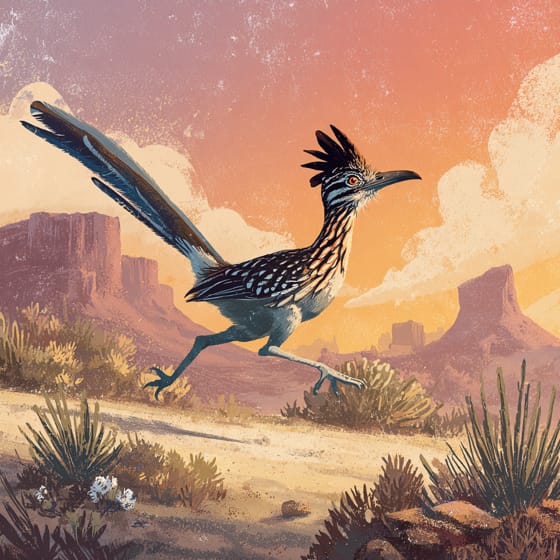
Geococcyx californianus
A common desert bird that often hunts ground insects.
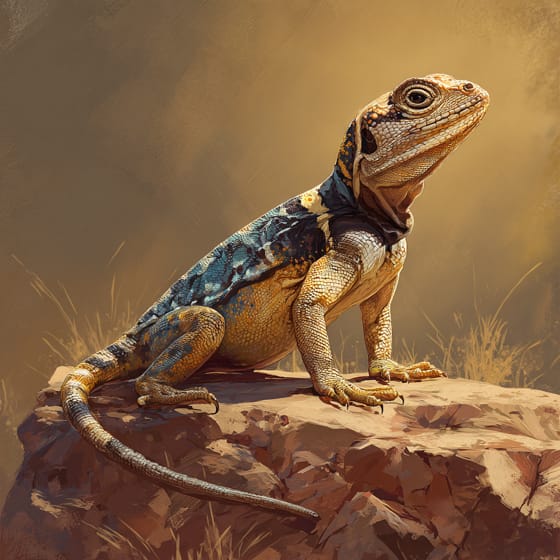
Crotaphytus collaris
A fast-moving lizard that preys on various insects.

Larrea tridentata
Feeds on decaying leaves and plant matter from this common desert shrub.
Opuntia phaeacantha
Consumes dead pads and decaying parts of this desert cactus.
Solitary animals live alone for most of their lives, only interacting with others for mating or parental care.
Scavengers consume dead organic matter, helping to decompose carcasses and other waste in the ecosystem.
Grassland habitats are terrestrial biomes dominated by grasses and herbaceous plants, supporting a variety of grazing animals.
This trait characterizes organisms whose diet consists entirely or primarily of plant material.

Describes organisms that break down dead organic material, recycling nutrients back into the ecosystem.

Pertaining to species that are significantly smaller than typical or average for their kind.

Describes organisms that transfer pollen, enabling the fertilization and reproduction of plants.
No aliases listed yet.
Danger
1/5 · Very low
It's best to observe beetles from a distance and not touch them, as they can spray a smelly liquid.
The easiest way to identify Dentate Stink Beetle is to use the Snappit nature identifier app.
20-28 mm
365-730 days
This beetle is a tiny desert cleaner, munching on dead plants and organic bits.
Grasslands
Foraging
6
Zoom in to split clusters and explore where this object has been snapped.
Take the discovery with you
Snap it with Snappit to identify it, learn what makes it special, and add the discovery to your collection.








.jpg&width=800)




